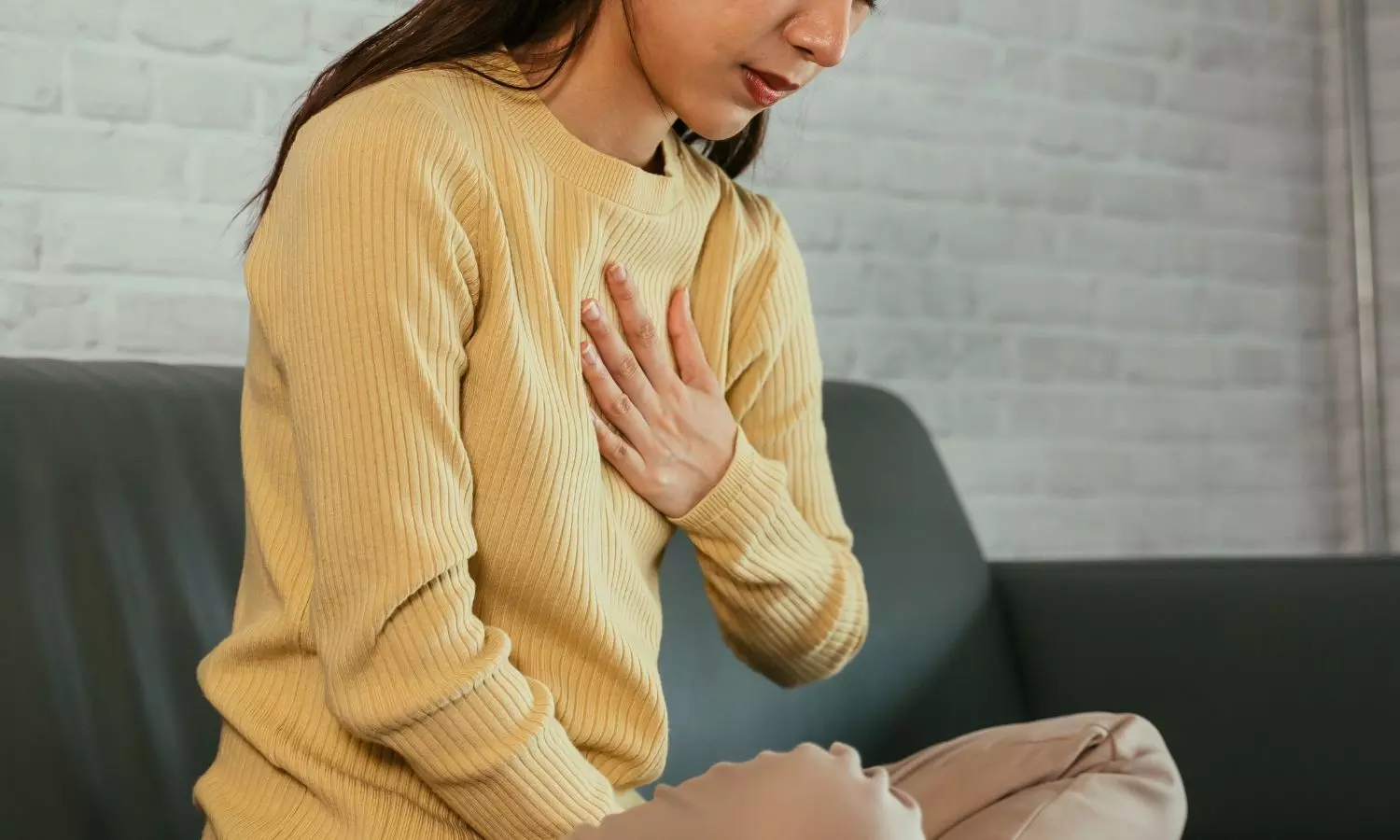
Heart disease remains the leading cause of death among women worldwide.
According to the CDC, 1 in every 4 female deaths in the U.S. is caused by heart disease,
and nearly 60 million women live with some form of cardiovascular disease (CVD).
Yet, awareness, early diagnosis, and treatment for women’s heart health continue to lag far behind.
What Is Heart Disease in Women?
A woman’s heart is not just smaller than a man’s — it functions differently.
Women are more likely to suffer from microvascular disease, which affects the heart’s smaller blood vessels rather than major arteries.
This means that even without large blockages, the heart may still not get enough blood.
The hormone estrogen protects the heart in younger women,
but after menopause, this protection declines — increasing the risk of coronary disease.
WHO data: Over 8.5 million women die from heart disease every year — more than from all cancers combined.
Why Does It Happen?
Several biological and lifestyle factors increase heart risk in women:
• Hormonal changes after menopause (drop in estrogen levels)
• Pregnancy complications such as gestational diabetes or high blood pressure
• Autoimmune diseases like lupus and rheumatoid arthritis
• Chronic stress and lack of sleep
• Smoking, junk food, and sedentary lifestyle
• Family history of heart disease
These risk factors often act together — quietly damaging the heart over time.
When Does It Become Dangerous?
Heart disease becomes life-threatening when symptoms are ignored or misdiagnosed.
Many women dismiss chest discomfort as “gas,” “fatigue,” or “stress.”
This delay leads to irreversible heart muscle damage and increases the risk of death.
SWEDEHEART (2003–2013) showed that women with heart attacks (STEMI/NSTEMI) received fewer recommended medicines and less rehabilitation than men — resulting in higher mortality.
When treatment was equal, survival rates between men and women became nearly identical.
Who Is at Higher Risk?
You may be at higher risk if you:
• Are over 40 years of age
• Have high blood pressure or diabetes
• Smoke or live with obesity
• Are post-menopausal
• Have had pregnancy-related hypertension or diabetes
• Have a family history of heart disease
AHA data (2020): For a 40-year-old woman, the lifetime risk of developing heart disease is 1 in 2.
What Are the Symptoms?
Heart attack symptoms in women are often mild and atypical, which makes them harder to recognize:
• Unusual fatigue or weakness
• Jaw, neck, back, or shoulder pain
• Shortness of breath or chest pressure
• Nausea, vomiting, or dizziness
• Heartburn or anxiety-like feeling
Women are more likely to experience a “silent heart attack” — where pain is minimal or absent.
How to Recognize It
If you experience frequent tiredness, breathlessness, or jaw/back pain, don’t assume it’s just acidity or stress.
It could be your heart sending an early warning.
Timely testing with ECG, ECHO, or TMT can detect heart issues early and prevent serious damage.
How Is It Diagnosed?
Doctors may recommend the following tests to confirm heart disease:
• ECG (Electrocardiogram): Checks heart’s electrical activity
• Echocardiogram (ECHO): Examines heart structure and pumping
• Treadmill Test (TMT): Assesses heart function during exercise
• Angiography: Detects blockages in arteries
• Blood Tests: Troponin, cholesterol, and HbA1c to assess cardiac and metabolic risk
What Is the Treatment?
Treatment for women is as effective as it is for men — but it must be timely and consistent.
It may include:
• Lifestyle modifications: Healthy diet, regular exercise, stress management
• Cardiac rehabilitation after a heart attack
• Angioplasty or bypass surgery in advanced cases
• Medications: as prescribed by your doctor
Up to 80% of heart disease in women can be prevented with lifestyle control and early medical care.
What Should You Keep in Mind?
What Should You Keep in Mind?
Things to keep in mind-
• Exercise at least 30 minutes a day
• Quit smoking and limit alcohol
• Manage stress and get enough sleep
• Regularly check blood pressure, cholesterol, and sugar
• Never ignore unusual fatigue or breathlessness
When to See a Doctor
Seek medical advice if you frequently experience:
• Shortness of breath
• Pain in jaw, neck, or back
• Sudden severe chest pain or pressure
• Sweating, nausea, or vomiting
• Trouble speaking or weakness on one side of the body
• Fainting or loss of consciousness
These may be signs of a heart attack or stroke.
Call emergency services immediately if you notice such symptoms. Even mild or recurring symptoms deserve evaluation by a cardiologist.
American Heart Association (AHA). Heart Disease in Women — Warning Signs and Prevention. Updated 2024.
Centers for Disease Control and Prevention (CDC). Women and Heart Disease: Key Facts. Updated 2024.
Mayo Clinic. Heart Disease in Women: Understanding the Symptoms and Risks. Reviewed 2024.
Cleveland Clinic. Women and Cardiovascular Disease: What You Need to Know. Updated 2023.
World Heart Federation (WHF). Women and Cardiovascular Disease — Bridging the Gap. 2024.
European Society of Cardiology (ESC). Cardiovascular Disease Prevention in Women: 2023 Guidelines. Eur Heart J. 2023.