

Every year, over 17.9 million people worldwide die from cardiovascular diseases — that’s one-third of all global deaths.
In India alone, nearly 28% of all deaths are caused by heart-related illnesses, and many happen because people don’t recognize what’s happening in time.
Three terms — Heart Failure, Heart Attack, and Cardiac Arrest — are often confused, even though they mean very different emergencies.
Understanding these differences is not just medical knowledge — it’s survival awareness.
Heart Failure – When the Heart Keeps Beating, But Loses Strength
It doesn’t mean the heart has stopped. It means the heart can’t pump blood efficiently enough to meet the body’s needs.
Imagine a water pump struggling to push water through a rusted pipeline — that’s what your heart experiences in failure.
The Root Cause
Heart failure usually develops over years, not minutes.
It’s often the end result of long-standing conditions like:
• Uncontrolled high blood pressure
• Coronary artery disease that slowly narrows heart vessels
• Diabetes, obesity, or valve disorders
• Repeated minor heart attacks that weaken muscle walls
Fact: According to the Indian Heart Association, around 10 million Indians live with heart failure, yet over 50% are diagnosed late — when damage is already irreversible.
Early Clues Often Ignored
Heart failure whispers before it screams.
• Breathlessness that worsens when lying down
• Swelling around ankles or abdomen
• Sudden weight gain
• Persistent fatigue or coughing
These are not signs of aging — they’re the body’s warning lights.
Treatment and Hope
With early detection, heart failure can be stabilized.
Doctors use diuretics, ACE inhibitors, and beta-blockers to reduce strain on the heart.
In advanced cases, pacemakers or implants regulate heart rhythm.
But lifestyle remains the cornerstone — less salt, steady activity, and consistent follow-ups.
The five-year survival rate after a heart failure diagnosis is around 50%,
comparable to some cancers — yet it receives far less awareness.
Act early. Breathlessness and swelling are not normal aging — they’re your heart asking for help.
Heart Attack – When Blood Stops, the Clock Starts
A heart attack (Myocardial Infarction) is not a gradual failure — it’s a sudden crisis.
It strikes when blood flow to a part of the heart is blocked by a clot or plaque rupture, starving it of oxygen.
Why It Happens
Cholesterol, smoking, diabetes, and stress combine to form sticky plaque in arteries.
When that plaque ruptures, a clot forms and blood flow stops abruptly.
Every minute, heart muscle dies — and so does survival probability.
Fact: In India, one person dies of a heart attack every 33 seconds (ICMR data).
Most victims are under 50 years old — a dramatic shift from just two decades ago.
What It Feels Like
The pain is not always dramatic. It can be:
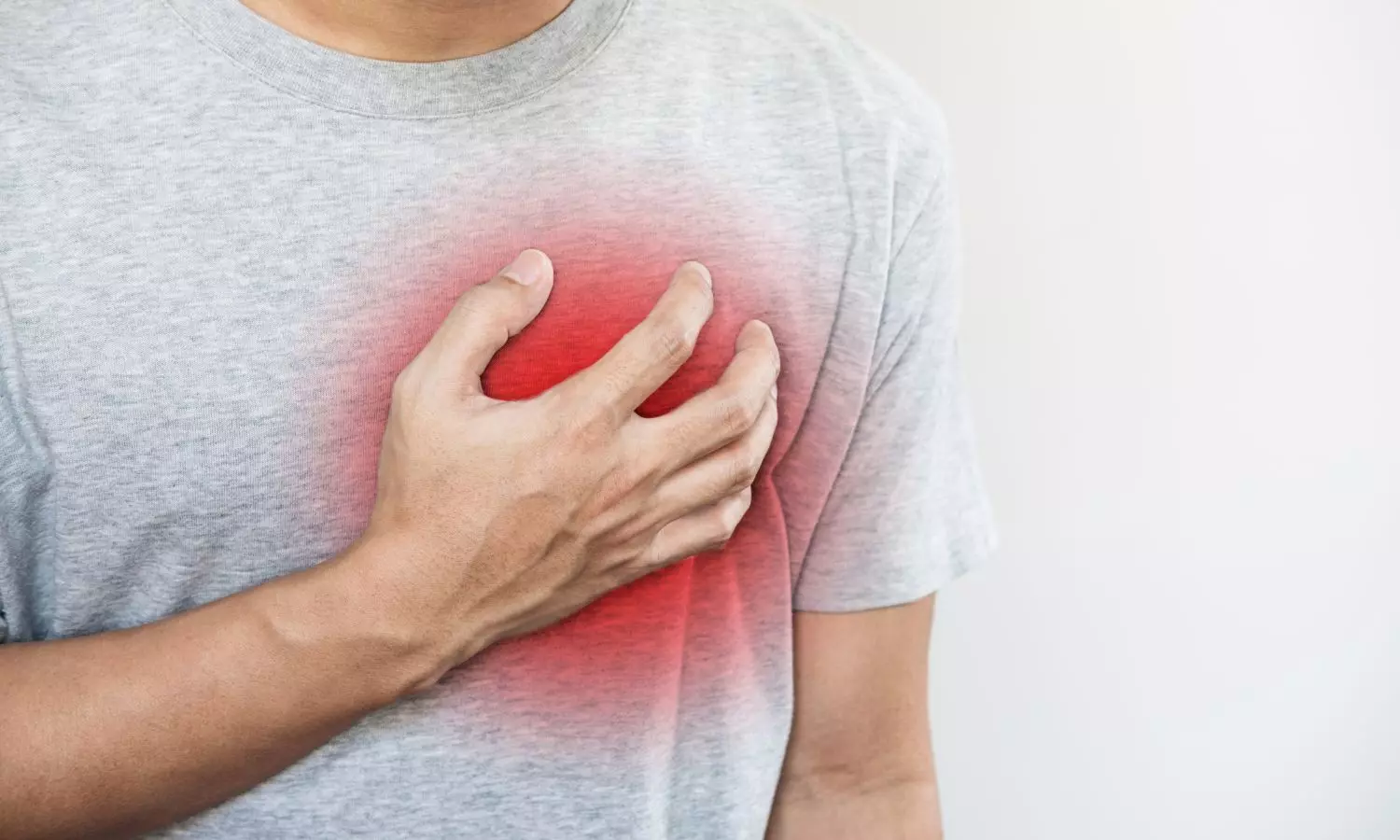
• A pressure or heaviness in the chest
• Pain radiating to the arm, neck, jaw, or back
• Cold sweat, nausea, or dizziness
• In women: often just fatigue, breathlessness, or shoulder ache
Up to 25% of heart attacks are “silent,” showing minimal symptoms until it’s too late.
What Saves the Heart
Speed.
Within 90 minutes of the first symptom, doctors call it the “golden window” — when opening the blocked artery can save heart tissue.
Treatments include:
• Emergency angioplasty to clear blockage
• Clot-dissolving drugs if angioplasty isn’t immediately possible
• Long-term medicines: statins, blood thinners, beta-blockers
Delays are deadly — each passing minute kills heart cells permanently.
Nearly half of Indian heart attack victims never reach the hospital alive, mainly due to late recognition or denial.
If you feel chest discomfort for more than 2 minutes — call for help immediately.
Don’t drive yourself. Don’t wait it out. The heart doesn’t.
Cardiac Arrest – When the Heart Suddenly Stops
If heart attack is a plumbing issue, cardiac arrest is an electrical one.
It happens when the heart suddenly stops beating due to erratic electrical signals — often without warning.
The Science Behind the Silence
In cardiac arrest, the heart’s rhythm goes chaotic (ventricular fibrillation).
Blood flow stops. The person collapses, loses consciousness, and has no pulse.
It can be triggered by:
• A severe heart attack
• Existing heart disease
• Electrocution, trauma, or drug overdose
Fact: 9 out of 10 people who suffer cardiac arrest outside a hospital die before reaching one — usually because no one around knows CPR.
What Happens
• Sudden collapse
• No breathing
• No pulse
• Unresponsive body
Within 4 minutes, the brain starts dying from lack of oxygen.
The Only Response: Immediate CPR + Defibrillation
• Call emergency services (108 / 102)
• Start CPR immediately: push hard and fast in the center of the chest (100–120 compressions per minute)
• Use an AED (Automated External Defibrillator) if available — it can restart the heart with an electric shock
Every minute without CPR reduces survival chance by 10%.
Even in cities, less than 2% of bystanders in India know how to perform CPR.
This single skill could save thousands of lives every day.
Learn CPR. Teach CPR. You might save a stranger — or someone you love.
Three different heart problems, but one common danger
Heart failure, heart attack, and cardiac arrest may sound similar, but they affect the heart in entirely different ways.
In heart failure, the heart’s pumping strength weakens gradually over months or years. It’s a serious but chronic condition — one that demands regular monitoring, lifestyle changes, and consistent treatment to prevent further decline.
A heart attack, on the other hand, strikes suddenly — within minutes or hours — when blood flow to the heart muscle is blocked. It’s a true emergency where every minute counts. Quick action, calling for medical help, and immediate hospitalization can save heart tissue and life itself.
Cardiac arrest is the most critical of all — an instant collapse caused by electrical failure in the heart’s rhythm. Within seconds, the heart stops beating, and without CPR or defibrillation, survival becomes unlikely. It’s not a warning; it’s a shutdown.
In short, heart failure is gradual, a heart attack is urgent, and cardiac arrest is instantaneous — but all demand awareness and timely action.
Call to Action: Awareness is the Best Medicine
• Every home should have someone who knows CPR.
• Every adult above 30 should check blood pressure and cholesterol yearly.
• Every organization should have an AED (defibrillator).
These are small steps, but they separate tragedy from survival.
The heart rarely fails without warning —
we just fail to listen in time.
American Heart Association (AHA). Heart Failure, Heart Attack, and Cardiac Arrest — Understanding the Difference. Updated 2024.
National Heart, Lung, and Blood Institute (NHLBI). What Is Heart Failure? U.S. Department of Health and Human Services, 2023.
Centers for Disease Control and Prevention (CDC). Heart Disease and Cardiac Arrest Facts. Updated 2024.
World Health Organization (WHO). Cardiovascular Diseases (CVDs): Key Facts. 2024.
Mayo Clinic. Heart Attack and Cardiac Arrest: Symptoms and First Aid. Reviewed 2024.
European Society of Cardiology (ESC). 2023 Guidelines for the Management of Acute and Chronic Heart Failure. Eur Heart J. 2023.