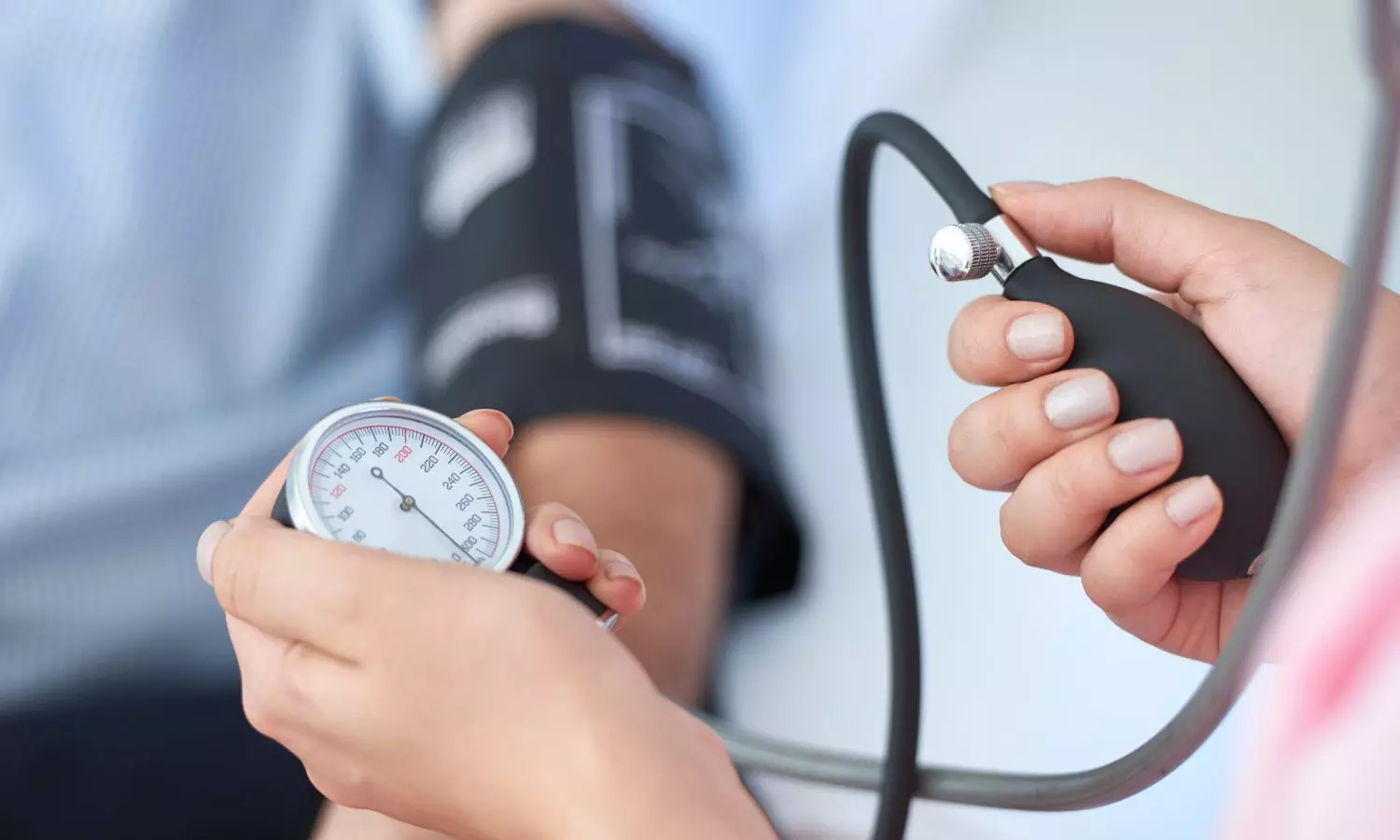
High blood pressure, or hypertension, affects over 1.28 billion people worldwide, according to the World Health Organization (WHO) — and nearly 46% of them don’t even know they have it. In India, one in every four adults suffers from hypertension, and the number is rising rapidly due to urban lifestyle, stress, and poor diet.
It’s one of the leading causes of heart attack, stroke, kidney failure, and premature death — making it one of the most urgent public health challenges of our time.
How Do You Know If You Have High Blood Pressure?
Hypertension rarely announces itself with clear signs. Most people feel normal until serious damage is done to the heart, brain, or kidneys.
However, some warning signs may appear, especially when BP is extremely high:
• Persistent headaches, often in the morning
• Dizziness or light-headedness
• Blurred vision or nosebleeds
• Shortness of breath or chest tightness
• Irregular heartbeat or palpitations
• Fatigue or confusion
Fact: About 60% of people with hypertension experience no symptoms at all — regular BP checks are the only reliable way to detect it.
Why Does High Blood Pressure Happen?
Blood pressure measures the force of blood pushing against your artery walls. When this pressure stays too high, it causes arteries to harden, thicken, or even burst — increasing your risk of life-threatening diseases.
Common Causes
1. Genetic predisposition: If one or both parents have hypertension, your risk doubles.
2. Unhealthy lifestyle: Diets rich in sodium, sugar, and processed food contribute significantly.
3. Obesity: Each 10 kg of excess body weight can raise BP by 2–3 mmHg.
4. Stress and anxiety: Constant stress keeps your blood pressure elevated through hormonal changes.
5. Underlying conditions: Diabetes, kidney disease, thyroid disorders, and sleep apnea often coexist with high BP.
6. Age and gender: Men are at higher risk under 50; women’s risk rises after menopause.
Who Is Most at Risk?
Some people are biologically or behaviorally more likely to develop hypertension.
According to the Indian Council of Medical Research (ICMR):
• 29% of men and 24% of women in India have hypertension.
• The prevalence increases sharply after age 40.
• Urban populations show double the risk compared to rural areas.
High-risk groups include:
• Smokers and regular alcohol drinkers
• People with sedentary jobs or low physical activity
• Individuals consuming excess salt (>5g/day)
• Those with a family history of hypertension or diabetes
What Happens If You Ignore It?
Unchecked hypertension silently damages the body for years before symptoms show up.
Major Complications
• Heart attack and heart failure: High BP forces your heart to work harder, thickening the muscle and narrowing arteries.
• Stroke: Hypertension causes about 54% of strokes globally, says WHO.
• Vision loss: Damage to retinal blood vessels can lead to blindness.
• Kidney failure: Over 60% of chronic kidney disease cases are linked to hypertension or diabetes.
• Cognitive decline: Studies show long-term high BP increases the risk of dementia and Alzheimer’s disease.
How Can You Control and Prevent High Blood Pressure?
The good news — it’s preventable and manageable.
Even small changes in lifestyle can reduce your systolic BP (the top number) by 5–10 mmHg, lowering your heart disease risk by nearly 30%.
Lifestyle Strategies That Work
1. Eat smart:
o Reduce salt intake to <5 grams/day (less than 1 teaspoon).
o Eat potassium-rich foods like bananas, spinach, and sweet potatoes.
o Cut down on red meat, fried foods, and processed snacks.
2. Move more:
o 30–45 minutes of brisk walking, cycling, or swimming most days of the week can lower BP naturally.
3. Maintain healthy weight:
o Even a 5–10% weight loss can significantly lower blood pressure.
4. Quit smoking and limit alcohol:
o Alcohol can raise BP by 1 mmHg for every 10g consumed regularly.
5. Manage stress:
o Deep breathing, meditation, and yoga reduce cortisol, a stress hormone that raises BP.
6. Get quality sleep:
o 7–8 hours of sleep nightly keeps the heart and hormones balanced.
7. Monitor regularly:
o Home BP monitoring helps track progress and detect spikes early.
Know the signs and act on time.
Hypertension is not just a number — it’s a sign your body is under strain.
Every 10 mmHg rise in blood pressure increases your risk of heart disease by 20% and stroke by 30%.
Regular checkups, a balanced lifestyle, and adherence to treatment can prevent 80% of hypertension-related complications.
Control your pressure before it controls your life.
Know the signs and act on time.
World Health Organization (WHO). Hypertension: Key Facts. 2024.
American Heart Association (AHA). Understanding Blood Pressure Readings. Updated 2024.
Centers for Disease Control and Prevention (CDC). High Blood Pressure Facts. Updated 2024.
National Heart, Lung, and Blood Institute (NHLBI). High Blood Pressure (Hypertension). U.S. Department of Health and Human Services, 2023.
European Society of Cardiology (ESC) & European Society of Hypertension (ESH). 2023 ESC/ESH Guidelines for the Management of Arterial Hypertension. Eur Heart J. 2023.
Mayo Clinic. High Blood Pressure (Hypertension): Symptoms and Treatment. Reviewed 2024.