
Cholesterol is not your enemy — your body actually needs it.
It helps form cells, vitamin D, and hormones like estrogen and testosterone.
But when cholesterol levels go out of balance, the same substance that keeps you alive can slowly harm your heart.
Too much of the bad type and too little of the good type cause plaque buildup in arteries, reducing blood flow and increasing the risk of heart attack, stroke, and fatty liver disease.
Understanding and controlling this balance is one of the simplest ways to protect your heart.
What Is Cholesterol?
Cholesterol is a waxy, fat-like substance made in the liver and also absorbed from certain foods such as red meat, dairy, butter, and fried items.
Because it doesn’t dissolve in blood, it travels in the bloodstream attached to tiny proteins called lipoproteins.
The three main types are:
• HDL (High-Density Lipoprotein) – “Good cholesterol”, carries cholesterol away from arteries.
• LDL (Low-Density Lipoprotein) – “Bad cholesterol”, carries cholesterol to arteries and can block them.
• VLDL (Very Low-Density Lipoprotein) – carries triglycerides, another fat that thickens artery walls.
WHO data: Around 39% of adults worldwide have raised cholesterol. It contributes to 1 in every 3 heart disease deaths.
HDL – The Good Cholesterol
HDL acts like a clean-up team for your arteries.
It removes extra cholesterol and takes it back to the liver, preventing fatty buildup in blood vessels.
The higher your HDL, the better your heart protection.
Healthy HDL levels:
• Men: above 40 mg/dL
• Women: above 50 mg/dL
Fact: Every 5 mg/dL increase in HDL can reduce the risk of heart disease by about 10% (American Heart Association).
You can boost HDL naturally through:
• Regular exercise (walking, swimming, cycling)
• Healthy fats (mustard, olive, sunflower oils, nuts, seeds)
• Quitting smoking
• Moderate alcohol (if at all)
LDL – The Bad Cholesterol
LDL carries cholesterol from the liver to body tissues.
But when too much LDL circulates, it starts depositing cholesterol in artery walls, forming plaque.
Over time, arteries become narrow, hard, and less flexible — a process called atherosclerosis.
If a plaque ruptures, it can cause a blood clot, blocking blood flow to the heart (heart attack) or brain (stroke).
Unhealthy LDL: above 130 mg/dL
Ideal: below 100 mg/dL
WHO reports that high LDL cholesterol leads to over 4.4 million deaths annually — one of the top causes of premature cardiovascular death.
VLDL – The Very Bad Cholesterol
VLDL (Very Low-Density Lipoprotein) is another harmful fat carrier that transports triglycerides — a type of fat your body uses for energy.
When VLDL levels rise, triglycerides build up, making your blood thicker and more likely to form clots.
This further increases the risk of heart attack, stroke, and fatty liver.
Healthy triglycerides: below 150 mg/dL
Harvard Medical School states that people with high triglycerides and low HDL have double the risk of developing heart disease.
You can reduce VLDL by:
• Cutting down sugar and refined carbs
• Limiting alcohol
• Exercising regularly
• Managing diabetes and weight
What Causes High Cholesterol
Several factors contribute to rising cholesterol levels:
• Unhealthy diet: high in red meat, butter, cheese, fried, or processed foods.
• Lack of activity: sitting long hours slows fat metabolism.
• Smoking: damages artery walls and lowers HDL.
• Obesity and alcohol: raise triglycerides and LDL.
• Medical conditions: diabetes, thyroid issues, liver or kidney disease.
• Genetics: some people naturally produce more cholesterol.
NIH data: Family history contributes to nearly 1 in 5 cases of high cholesterol.
Who Is at Risk
You may have high cholesterol without symptoms.
Your risk is higher if you:
• Are over 40 years old
• Have diabetes or high blood pressure
• Lead a sedentary lifestyle
• Eat processed, fried, or sugary food frequently
• Have a family history of heart disease
Women after menopause and people with obesity or stress-related disorders are also more prone to rising cholesterol.
Health Problems Linked to High Cholesterol
When cholesterol builds up inside arteries, it silently affects multiple organs.
Common complications include:
• Coronary artery disease (CAD) – blocked heart arteries
• Heart attack or angina – due to reduced blood flow
• Stroke – when arteries to the brain are blocked
• Peripheral artery disease (PAD) – poor circulation in legs
• Fatty liver disease and pancreatitis (high triglycerides)
CDC estimates: Lowering total cholesterol by 10% can reduce the risk of heart disease by up to 30%.
How Is High Cholesterol Diagnosed
High cholesterol has no visible symptoms.
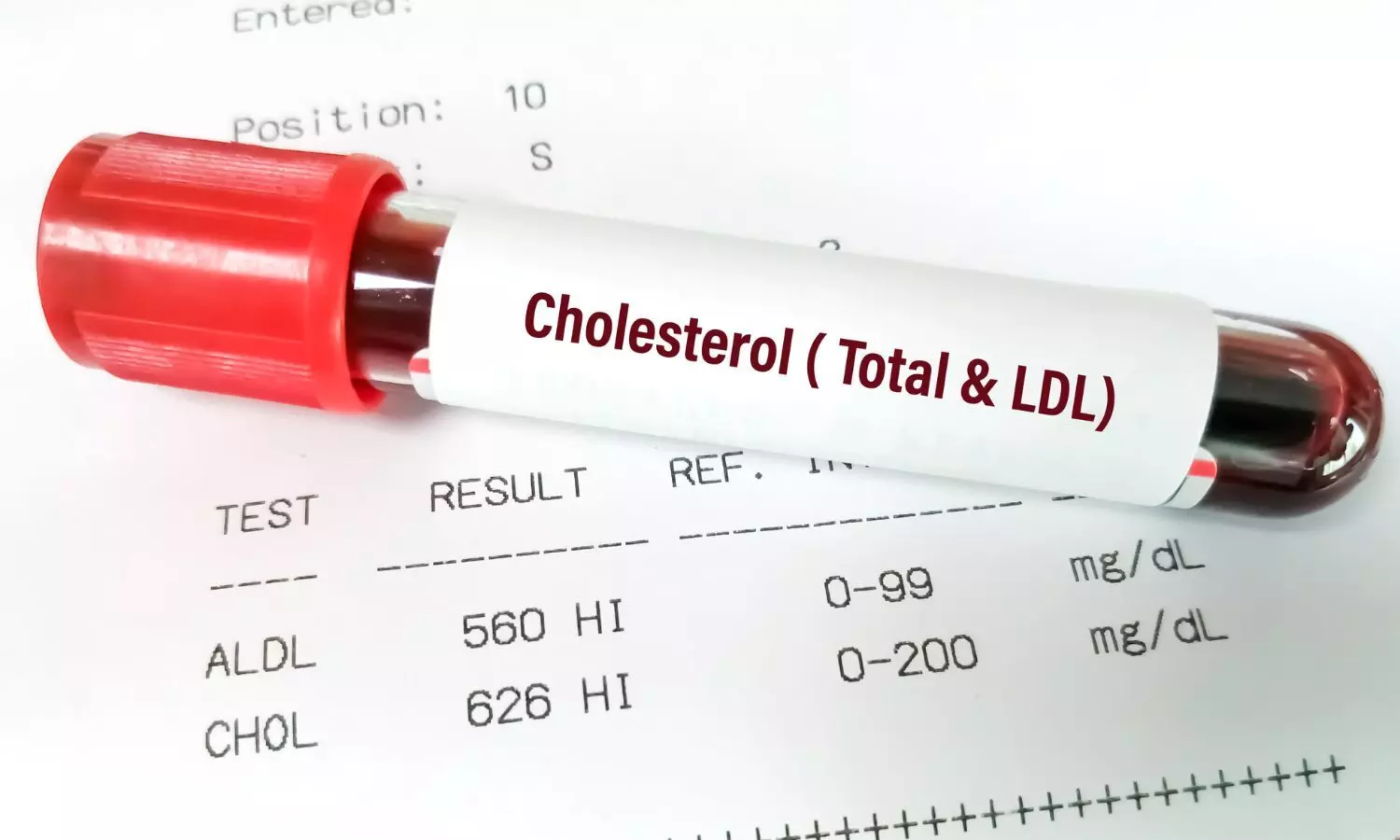
The only way to know is through a Lipid Profile Test — a simple blood test that measures:
• Total cholesterol
• LDL (bad)
• HDL (good)
• Triglycerides (VLDL indicator)
How often to test:
• Every year after age 30, or every 6 months if you have diabetes, obesity, or a family history of heart disease.
Testing helps detect early imbalance before symptoms appear.
How to Lower Cholesterol Naturally
You can lower cholesterol effectively through simple lifestyle changes:
• Eat heart-healthy foods: more fruits, vegetables, oats, whole grains, and good fats.
• Exercise daily: at least 30 minutes of brisk walking, cycling, or swimming.
• Quit smoking and limit alcohol.
• Maintain healthy weight — even a 5–10% loss helps.
• Reduce stress and sleep 7–8 hours daily.
• Follow doctor’s advice: some may need cholesterol-lowering medicines like statins or omega-3 supplements.
Harvard Health: Consistent lifestyle changes can lower LDL/VLDL by 15–20% and raise HDL by 10–12%.
The Bottom Line
Your heart doesn’t just need low cholesterol — it needs the right balance.
HDL protects, while LDL and VLDL harm.
When this balance tips, heart damage begins quietly — long before symptoms appear.
Eat wisely. Move daily. Test regularly. Stay balanced.
That’s the simplest, most powerful way to keep your heart strong for life.
American Heart Association (AHA). Cholesterol — What It Is and Why It Matters. Updated 2024.
Centers for Disease Control and Prevention (CDC). High Cholesterol Facts. Updated 2024.
National Heart, Lung, and Blood Institute (NHLBI). High Blood Cholesterol: What You Need to Know. U.S. Department of Health and Human Services, 2023.
World Health Organization (WHO). Cardiovascular Diseases: Risk Factors and Cholesterol. 2024.
Mayo Clinic. High Cholesterol: Symptoms and Causes. Reviewed 2024.
European Society of Cardiology (ESC) & European Atherosclerosis Society (EAS). 2023 ESC/EAS Guidelines for the Management of Dyslipidaemias. Eur Heart J. 2023.