
Tips for Staying Safe and Healthy After a Heart Attack
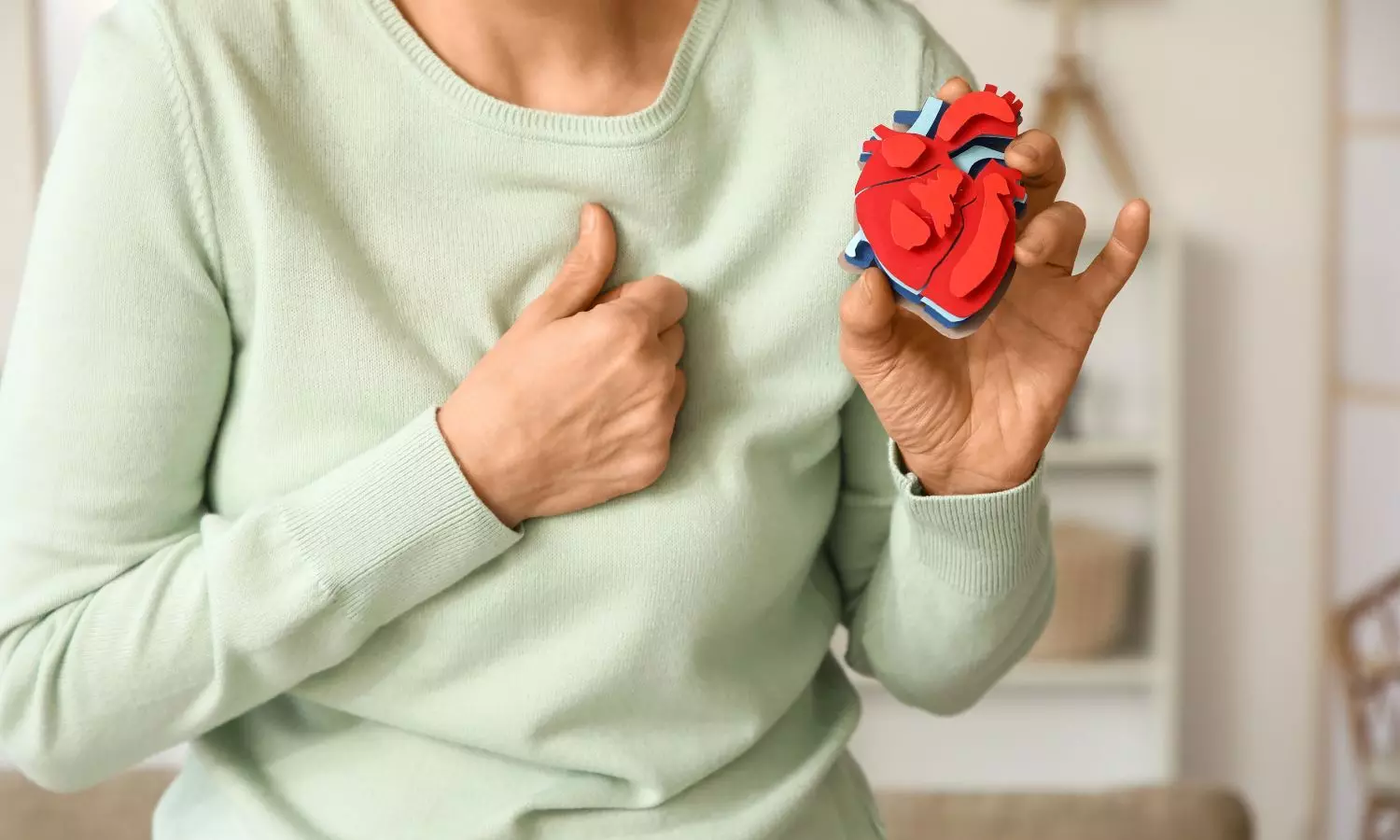
After a heart attack, most people want to know what they should do next, how much rest is needed, and when they can return to their normal routine.
The right information and gradual lifestyle changes can help you recover safely and stay healthy. During this time, seek support from family and friends, and talk to your doctor about any concerns.
Why Is It Important to Take Care of Your Body After a Heart Attack?
After a heart attack, your heart needs time to heal and regain strength. Rushing back into normal activities too quickly can be harmful. Take proper rest, focus on your recovery, and consult your doctor if you experience any problems.
When Can You Resume Daily Activities?
Most patients are eager to return to normal life, but recovery time varies from person to person.
• Start activities slowly and do not begin exercising without your doctor’s advice.
• Enroll in a cardiac rehabilitation program. These programs monitor your heart rate, blood pressure, and heart rhythm while you exercise.
When Can You Return to Work?
The decision to return to work depends on how well your heart is healing, whether you have any complications, and how physically or mentally demanding your job is.
Some people are able to return within a few weeks, while others may need a longer period of rest. Gradually returning to work is usually safer. If possible, reduce your working hours initially and avoid heavy physical labour or high-stress tasks for some time. Adjusting your work style or responsibilities may help reduce strain on your heart.
Most importantly, consult your doctor before returning to work. Your doctor will review your health condition, test results, and job requirements to determine when and how it is safe for you to resume work.
Is It Safe to Drive After a Heart Attack?
Most people can resume driving about one week after a heart attack, but you should first consult your doctor. If you are a commercial driver, obtain approval from both your employer and your doctor.
Can You Have Sexual Relations After a Heart Attack?
In most cases, sexual activity can be resumed 2 to 3 weeks after a heart attack. Start slowly, and consult your doctor if you experience any discomfort or symptoms.
How Can You Prevent Another Heart Attack?
After a heart attack, one of the biggest concerns is protecting your heart in the future. Having one heart attack increases the risk of another, but the good news is that proper care and lifestyle changes can significantly reduce this risk.
It is important to understand your personal risk factors and adopt healthy habits in your daily life. These steps will not only strengthen your heart but also help you stay active and healthy for the long term.
1) Why Is Quitting Smoking Important?
Tobacco damages the heart and blood vessels, raises blood pressure, and increases the risk of another heart attack. Quitting smoking is one of the most important steps you can take for heart health. Also avoid exposure to second hand smoke.
2) How Can You Control Blood Pressure?
High blood pressure puts extra strain on the heart. Eating a low-salt diet, staying physically active, and maintaining a healthy weight can help control blood pressure. Take prescribed medications regularly as directed by your doctor.
3) Why Should You Monitor Cholesterol?
High levels of “bad” cholesterol can cause blockages in the arteries. A balanced diet, regular exercise, and medications (if needed) can help control cholesterol levels.
4) Why Is Diabetes Screening Important?
Diabetes increases the risk of heart attack. Regular screening and proper control of blood sugar are very important.
5) How Is Exercise Beneficial for the Heart?
Regular activities such as walking, cycling, or swimming strengthen the heart, reduce stress, and help control weight. Losing even 10% of your body weight can lower your risk. Always consult your doctor before starting exercise after a heart attack.
6) What Is a Heart-Healthy Diet?
A diet low in oil, salt, and sugar is good for your heart. Eat more fruits and vegetables. Avoid fried and processed foods. Choose fish and lean meats over fatty red meat.
7) How Can You Manage Stress?
Anxiety, fear, and sadness are common after a heart attack. Do not ignore these feelings. Talk to your family or doctor. Managing stress plays an important role in maintaining heart health.
When Should You Seek Immediate Medical Help?
Seek emergency medical care if you experience:
• Chest pain
• Shortness of breath
• Dizziness
• Tightness in the arms, neck, jaw, or stomach
• Fast or irregular heartbeat
• Extreme fatigue
• Sweating
• Nausea or vomiting
• Swelling in the legs
What Questions Should You Ask Your Doctor?
Ask your doctor:
• What is my risk of having another heart attack?
• What foods are best for my heart?
• How can I quit smoking effectively?
• What are the side effects of my heart medications?
Remember
With the right information, patience, and a disciplined lifestyle, you can live a safe and healthy life after a heart attack. If you have any doubts or concerns, do not delay—consult your doctor.