
Myths About Childhood Cancer We Must Stop Believing - Dr Chintan Vyas
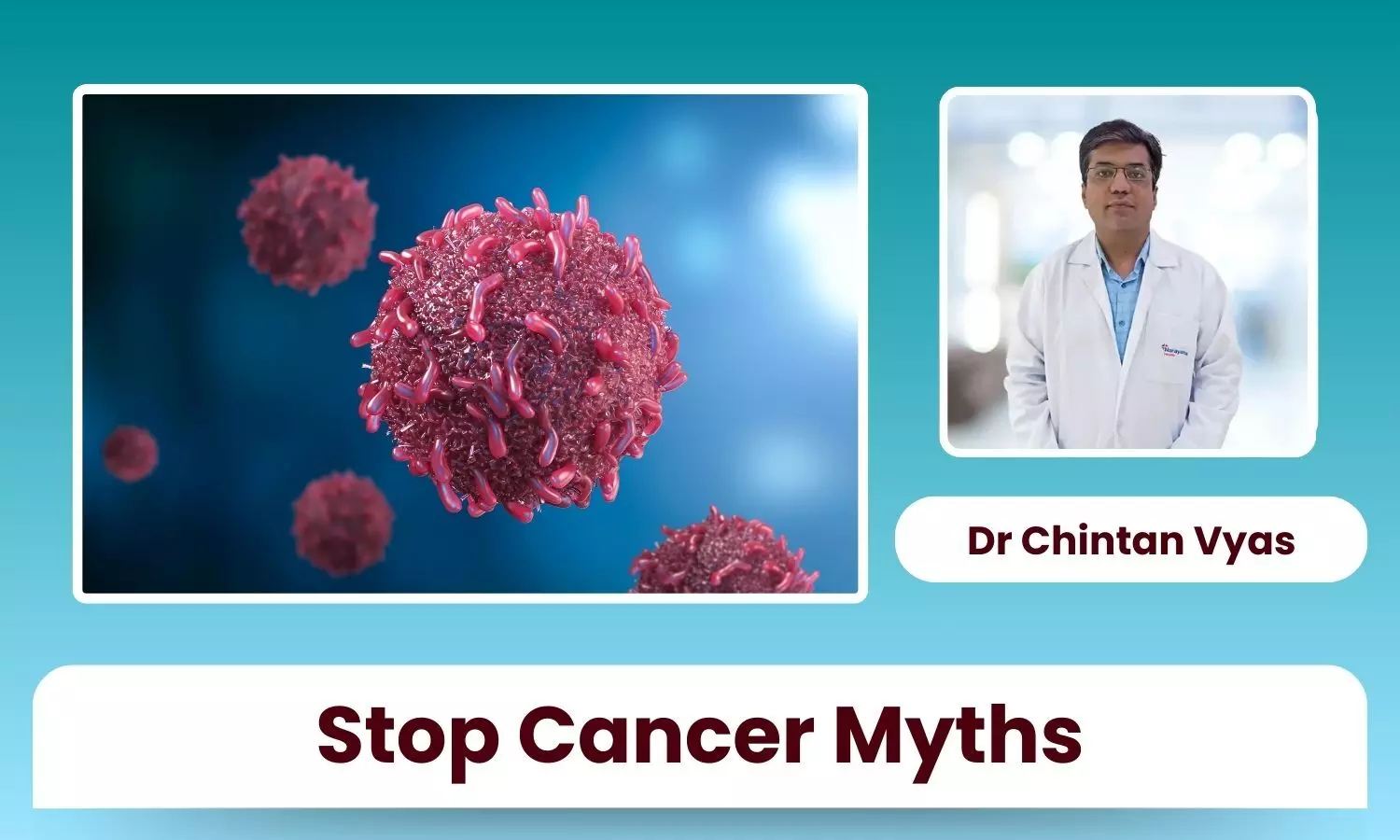
When a child is diagnosed with cancer, the illness does not affect just the body — it alters an entire ecosystem.
Parents begin measuring time in hospital visits; blood reports become more important than any exam they have ever attempted; siblings learn to wait quietly, and ordinary conversations suddenly carry the silent weight of fear. Yet beyond the medical battle, people experience something far more painful: misunderstandings driven by myths and hearesay.
Myths around childhood cancer continue to exist not because people are unkind, but because fear often fills the gaps where knowledge should be. Unfortunately, these myths isolate children in the moments when they need human connection the most.
Myth 1: Childhood Cancer Is Contagious
One of the most heartbreaking misconceptions is the belief that cancer can spread from one child to another. Childhood cancer is not contagious. It does not pass through touch, shared toys, food, classrooms, or play.
Despite this, families often notice friends pulling away. Playdates stop. Parents hesitate before sending birthday invitations. Children sense this distance even when no one talks aloud. For a child already coping with hair loss, hospital stays, and fatigue, this quiet exclusion can feel worse than the illness itself.
Myth 2: Parents Are to Blame
Many parents carry a heavy, invisible burden of guilt. Questions circle endlessly: Was it something the child ate? Did we miss a symptom? Was it some mistake made years ago? Medicine is clear on this — most childhood cancers arise from genetic changes that occur randomly during cell development. These changes are not caused by parenting style, food habits, infections, or emotional stress.
Blame offers no healing. It only deepens grief where support is needed.
Myth 3: Childhood Cancer Is Almost Always Fatal
The word “cancer” still freezes rooms into silence. Many assume that a childhood diagnosis automatically means loss. This belief is now outdated. Survival rates for many childhood cancers have improved significantly due to advances in treatment and early diagnosis.
Hospitals are full of success stories rarely spoken about — children who finish treatment, return to school, argue with siblings, dream loudly, and grow into healthy adults. Hope and optimism are not without reason; they are grounded in reality.
Myth 4: Treatment Is Worse Than the Disease
Chemotherapy, radiation, and surgery sound frightening, especially when associated with a child. Families often worry that treatment itself will irreversibly harm the child. While treatment is undeniably difficult, it is carefully calculated, closely monitored, and supported by modern advances in pain control and supportive care.
Treatment is not punishment. It is an act of fierce protection against the disease and its recurrence.
Myth 5: Children With Cancer Should Be Isolated
Protection from infection is important, but emotional isolation is damaging. With appropriate medical guidance, children undergoing cancer treatment can often attend school, meet friends, and take part in daily routines.
Those battling cancer need empathy and encouragement from family, and good conversations and time with friends to feel healthy. When a child has visitors, it will be a good idea to educate them about maintaining personal hygiene, and normalise washing hands and wearing a mask to prevent infection to the patient.
Normalcy is an important part of healing, not a distraction that will cause harm.
Misconceptions That Continue to Cause Harm
Several beliefs continue to persist quietly:
● Childhood cancer is always inherited
● Alternative therapies alone can cure cancer
● A child who looks healthy is fully recovered
● Survivors cannot live normal adult lives
Each one oversimplifies a deeply complex journey.
Why Busting Myths Truly Matters
Myths change behaviour. They influence how schools respond, how neighbours behave, and how families react – whether they support or abandon. Misinformation creates distance, while understanding brings the community together.
Choosing Compassion Over Fear
Childhood cancer is not an infection, a consequence, or a life sentence. It is a medical condition that requires science, empathy, and collective responsibility. When myths are replaced with understanding, children are not just treated; they are embraced into a circle of healing. And sometimes, human connections heal more than medicine can.
Disclaimer: The views expressed in this article are of the author and not of Health Dialogues. The Editorial/Content team of Health Dialogues has not contributed to the writing/editing/packaging of this article.
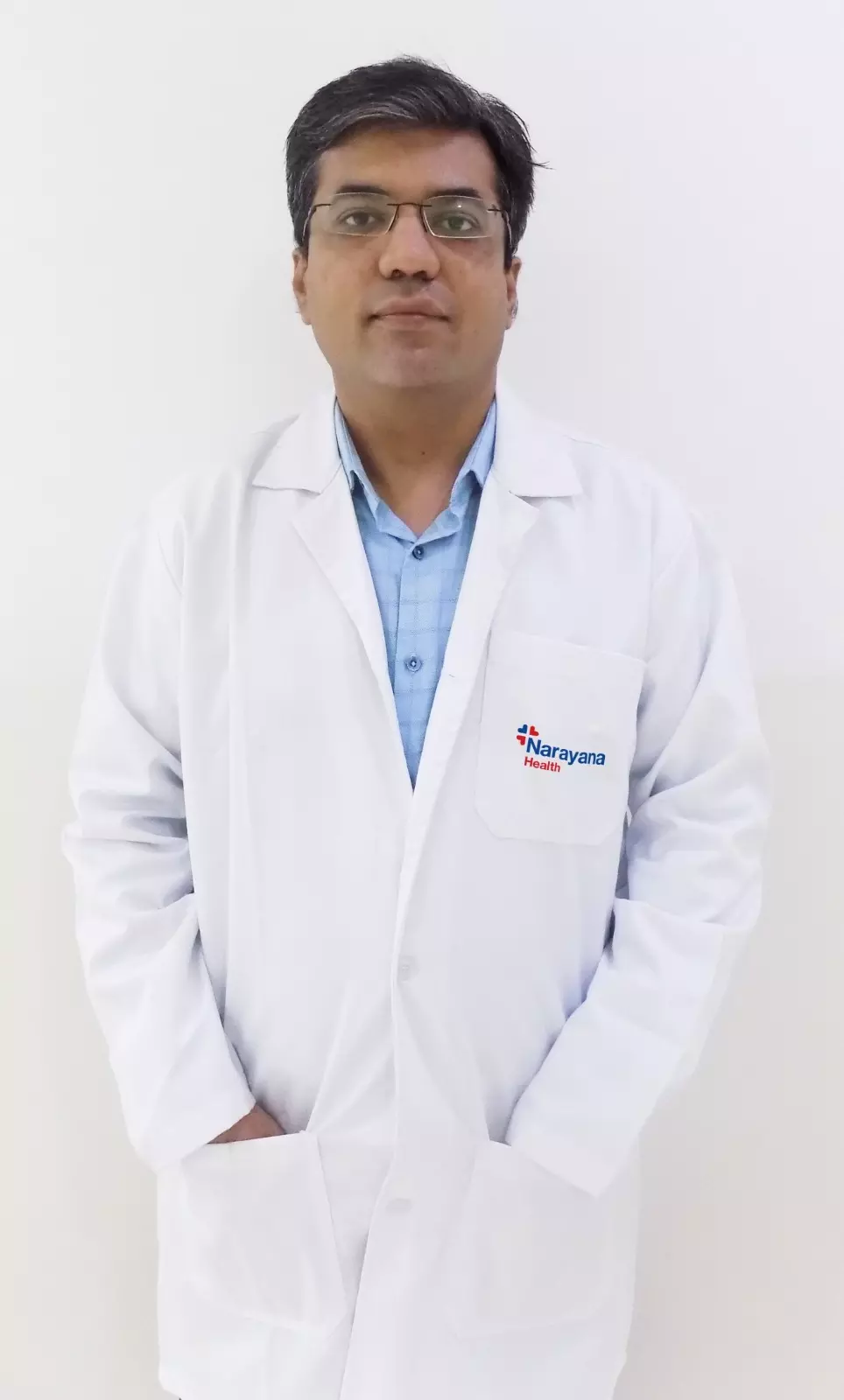
Dr Chintan Vyas is a Consultant in Paediatric Haematology-Oncology and Bone Marrow Transplant at SRCC Children’s Hospital, Mumbai. With over 10 years of experience and 200+ paediatric transplants, he specializes in BMT, cellular therapies, immunodeficiency disorders, and metabolic conditions, trained across India, Singapore, and the UK.