Pre-Cancer Anxiety in Gen Z: Why Young Adults Are Over-Screening and Misunderstanding Risk - Dr M A Suboor Shaherose
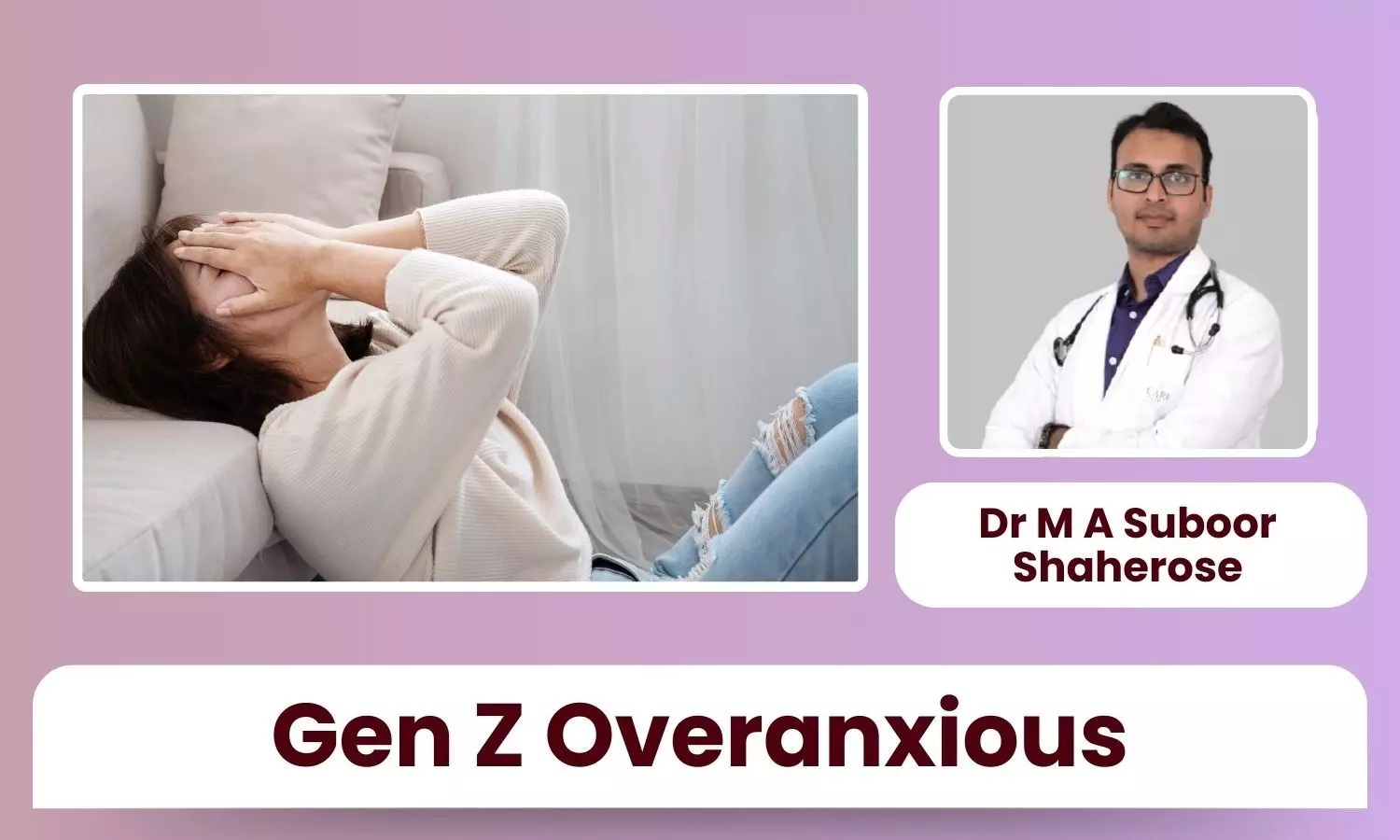
In oncology clinics across urban India, a pattern has slowly taken shape. More young adults in their early twenties and thirties are walking in with an unusual mix of fear and confusion.
They are convinced that a lingering sore throat must be throat cancer, a new mole is surely melanoma, or a week of stomach discomfort hints at something sinister. Many arrive asking for full-body MRIs, PET scans, or “all cancer tests,” even when they have no symptoms or family history.
For oncologists, this rise in pre-cancer anxiety is striking—not because Gen Z is unhealthy, but because they are hyper-aware, often without the framework to interpret what they read online. When every unexplained ache feels like a warning sign, it becomes easy to drift into worry-driven testing rather than informed prevention.
Why Is This Happening?
Part of the shift has to do with how information reaches this generation. Short videos, health influencers, and hashtags promising early detection have created the impression that cancer is always abrupt, silent, and imminent. While the intention is good—encouraging people not to ignore symptoms—the avalanche of content has blurred the line between real risk and everyday bodily changes.
At the same time, young adults today have lived through a pandemic, watched stories of sudden illnesses unfold on social media, and seen peers develop lifestyle diseases earlier than expected. This collective experience seems to have rewired their “health radar,” making them unusually sensitive to small bodily shifts.
But fear-driven testing has a hidden downside. It often leads to incidental findings—tiny cysts, benign nodules, or harmless variations that were never meant to be found. Once they appear on a scan, anxiety spikes further, leading to more tests and more uncertainty.
What Gen Z Often Misunderstands About Risk
In clinical conversations, a few themes show up repeatedly.
1. Not all tests detect “any” cancer
There is no universal cancer screen. Each test looks for something specific. A scan meant for lung issues won’t detect early cervical changes; an ultrasound cannot pick up microscopic blood cancers; and a PET scan is not a routine tool for healthy people.
2. Most cancers have identifiable pathways
Contrary to what many believe, cancer does not usually appear overnight. Many types progress slowly, with predictable stages. Understanding these pathways helps people focus on the right kind of screening rather than blanket testing.
3. Family history is not a blanket curse
Having a relative with cancer does not automatically push someone into a high-risk category. The nature of the cancer, the age at diagnosis, and genetic patterns matter far more.
4. Lifestyle still outweighs fear
Sleep deprivation, chronic stress, tobacco, alcohol, poor diet, and inactivity contribute more to lifetime risk than any one mole or muscle ache.
When Screening Helps—and When It Doesn’t
Screening works best when it is targeted and age-appropriate. Cervical cancer screening after 25, breast examinations and mammograms based on individual risk, colon screening after 45, and oral cancer checks for smokers or tobacco users are examples where the benefit is proven.
But scanning the entire body “just to be sure” rarely brings peace of mind. Instead, it often uncovers harmless findings that pull young adults into a cycle of repeat tests and spiralling doubts.
What Oncologists Recommend Instead
- Most specialists encourage young adults to shift away from panic-based surveillance and adopt an approach that blends awareness with grounding.
- Learn what symptoms truly matter. Persistent lumps, unexplained weight loss, unusual bleeding, long-standing fatigue, or symptoms that progress—not fluctuate—deserve evaluation.
- Prioritise fact over fear. A single online video cannot replace medical context.
- Build a relationship with a primary doctor. Regular check-ins create a stable reference point instead of jumping from scan to scan.
- Invest in daily health habits. Balanced meals, sleep, exercise, stress management, and avoiding tobacco have a far greater protective effect than annual full-body scans.
- Understand your personal risk. Genetics, lifestyle, and exposures—not age alone—shape risk profiles.
A Healthier Way to Stay Alert
Gen Z’s instinct to stay informed is admirable. Early detection saves lives, and no oncologist disputes that. The challenge is helping young adults distinguish between being vigilant and living on edge. When awareness is paired with the right knowledge, it becomes empowering rather than overwhelming.
Pre-cancer anxiety doesn’t need to control young adulthood. With clearer information, smarter screening, and a steadier understanding of risk, young people can step away from fear and still stay ahead of illness.
Disclaimer: The views expressed in this article are of the author and not of Health Dialogues. The Editorial/Content team of Health Dialogues has not contributed to the writing/editing/packaging of this article.

Dr M A Suboor Shaherose (MBBS, MD (Gen Med) DrNB (Medical Oncology), ECMO) is a Consultant in Haematology and Medical Oncology at CARE Hospitals Banjara Hills, Hyderabad. He has over ten years of experience in the field of medical oncology. his experience encompasses various aspects, including chemotherapy administration, daycare functioning, supportive care management, pain and palliative care, genetic clinic management, targeted and immunotherapy, and hematological stem cell transplant. With an MBBS from Osmania Medical College, MD in General Medicine from Gandhi Medical College, and DrNB in Medical Oncology from Basavatarakam Indo-American Cancer Hospital and Research Institute, Dr. Suboor has acquired a diverse range of medical expertise. Dr Suboor is an active member of the European Society of Medical Oncology (ESMO) and the American Society of Clinical Oncology (ASCO).