

Why Colorectal Cancer Is Rising in Young Adults: New Yale Study Reveals Key Biological Differences
Doctors and cancer researchers in the United States are increasingly alarmed by a steady rise in colorectal cancer among people under 50. A new study from the Yale School of Public Health (YSPH) now offers important clues about why this is happening, revealing that tumours in younger adults may behave very differently from those in older patients.
The study, published in Free Radical Biology and Medicine, is the first detailed comparison of metabolic changes in early-onset and late-onset colorectal cancer using matched tumor and normal tissues. The findings suggest that younger patients may develop cancer through unique biochemical pathways, which could help explain why cases are rising so rapidly in this age group.
Early-Onset Tumors Show Distinct Biology
According to Dr. Oladimeji Aladelokun, a postdoctoral associate at YSPH and study author, the research clearly shows that early-onset colorectal cancer has a different biology. The team says more research is needed, but these early discoveries could eventually lead to more personalised treatment strategies for younger patients.
Why Colorectal Cancer Is a Growing Threat
Colorectal cancer is the third most common cancer and a major cause of cancer-related deaths in the U.S. While the disease is usually associated with older adults, the number of cases in people aged 20–39 has been rising by about 2% per year since the mid-1990s.
The American Cancer Society predicts 154,000 new cases in 2025, and 1 in 5 patients will be under 55.
Experts believe several lifestyle and environmental factors may contribute to this rise, including:
* Obesity
* Excessive alcohol intake
* Lack of physical activity
* High consumption of ultra-processed foods
Scientists are also studying the roles of gut bacteria and genetics in driving early disease.
A New Focus on Metabolites
The Yale team approached the problem from a fresh perspective—by examining metabolites, the small molecules involved in body chemistry and energy production. Led by Dr. Caroline Johnson, an expert in metabolomics, the researchers analyzed frozen tumor samples collected between 1991 and 2001.
They found 91 metabolites that differed sharply between normal colon tissue and cancerous tissue. But one finding stood out:
A Dopamine Link?
A molecule called homovanillic acid, which is produced when the body breaks down dopamine, was uniquely decreased in early-onset tumors. Dopamine levels are already used to help diagnose certain cancers, but this is the first time a link has been noted in colorectal cancer.
Dr. Johnson says it is still unclear whether this metabolite directly affects colon health, but it may serve as a marker of disrupted dopamine metabolism in young patients.
Lower PD-L1 Levels in Young Patients
The study also found that early-onset tumors had significantly lower levels of PD-L1, a protein often targeted by cancer immunotherapies. Low PD-L1 may indicate that tumors in younger patients create a more immunosuppressive environment, potentially affecting how well they respond to modern treatments.
What Comes Next?
Dr. Johnson’s lab is now collecting new samples at Yale New Haven Hospital to confirm whether these patterns hold true in a larger group of patients. They also hope to test whether the same changes can be detected through blood tests, which would make diagnosis and monitoring easier.
Because frozen tumor samples are rare and difficult to obtain, this research is considered especially valuable. Most tumor tissues are stored in paraffin blocks, which are unsuitable for metabolomic studies.
If confirmed, these findings could eventually help guide new screening strategies, earlier diagnosis, and more targeted treatments for young adults facing colorectal cancer.
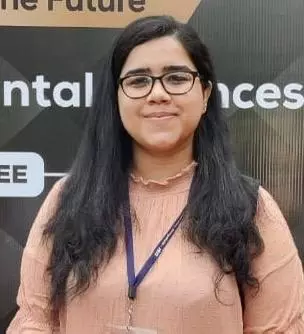
Dr Bhumika Maikhuri is a Consultant Orthodontist at Sanjeevan Hospital, Delhi. She is also working as a Correspondent and a Medical Writer at Medical Dialogues. She completed her BDS from Dr D Y patil dental college and MDS from Kalinga institute of dental sciences. Apart from dentistry, she has a strong research and scientific writing acumen. At Medical Dialogues, She focusses on medical news, dental news, dental FAQ and medical writing etc.