

Male Fertility Crisis: Why Sperm Health is Emerging as a Silent Reproductive Challenge - Dr Shyam Varma
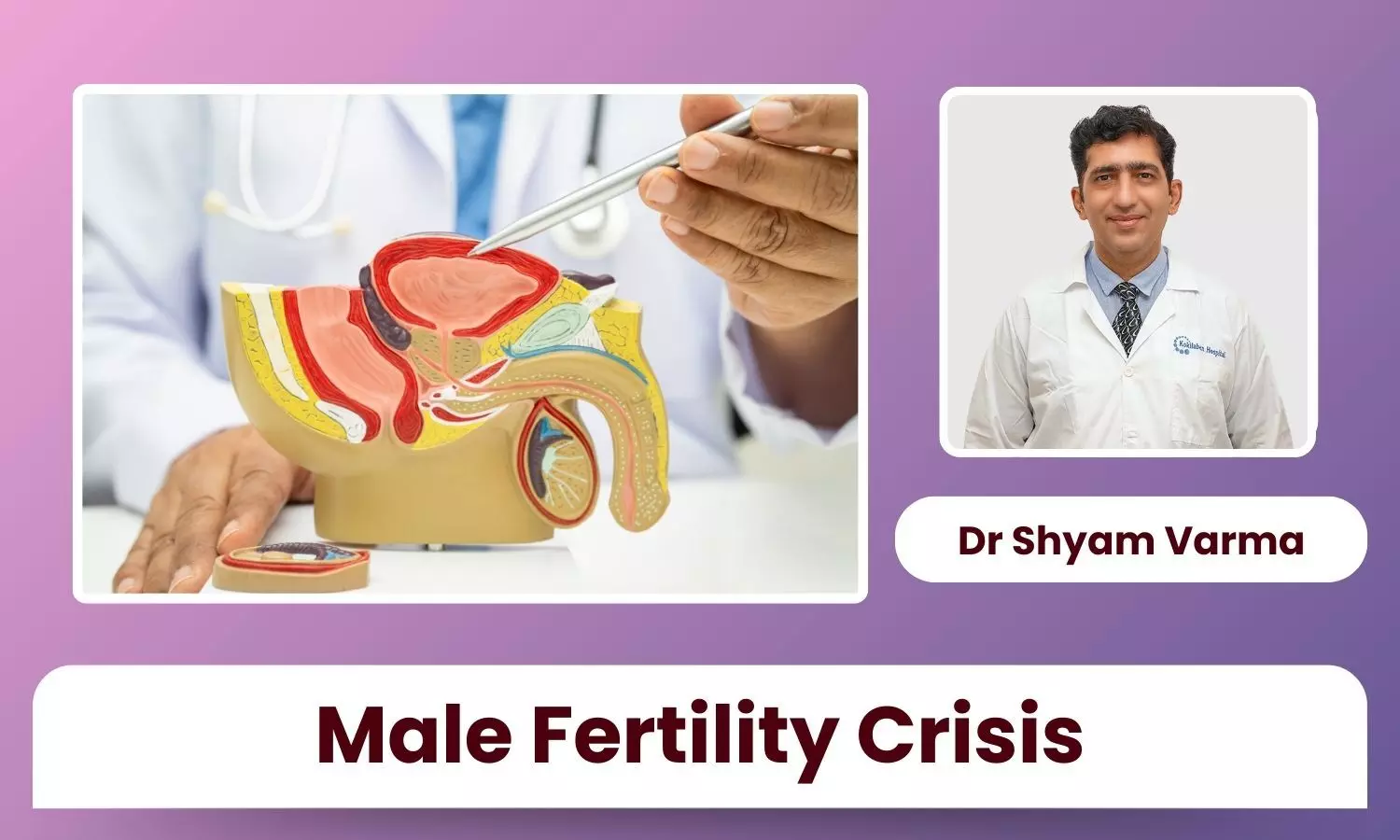
Male infertility plays a major role in many couples facing conception challenges, with sperm abnormalities often at the centre. Sperm health has quietly become a widespread reproductive issue due to multifactorial causes blending medical, social, economic, and cultural dynamics.
Lifestyle diseases like diabetes, obesity, and hypertension now strike younger age groups more frequently, compounding the problem. Environmental pollution, long working hours, and poor sleep hygiene further strain reproductive function. This silent crisis affects family planning worldwide, urging men to prioritize their fertility.
Sperm Abnormalities Explained
Common sperm problems include immature sperm, low sperm numbers, irregular shapes, and poor movement ability. These issues prevent sperm from reaching or fertilizing an egg effectively. Medical sources highlight how such abnormalities contribute significantly to infertility cases among couples seeking help.
Multifactorial Causes at Play
Lifestyle factors strongly influence sperm production and quality. Tobacco use harms sperm DNA and reduces count. Heavy alcohol consumption disrupts hormone balance needed for fertility. Steroid use suppresses natural testosterone production. Rising lifestyle diseases such as diabetes, obesity, and hypertension in younger men impair blood flow and hormone regulation essential for sperm health.
Social and economic pressures add layers of risk. Long working hours limit recovery time, while poor sleep hygiene disrupts testosterone cycles critical for sperm generation. Cultural stigma around male infertility delays open discussions and medical consultations.
Environmental and Medical Contributors
Modern environments pose hidden threats to sperm health. Chemicals in plastics and everyday products mimic hormones, interfering with sperm development. Air and water pollution introduces toxins that damage sperm DNA.
Prolonged heat from tight clothing or hot tubs raises scrotal temperature, impairing motility. Medical issues like swollen scrotal veins, infections, or hormone imbalances compound these effects over time.
Broader Health Connections
Poor sperm health often signals wider wellness concerns, linking to risks like heart disease or metabolic disorders. Couples endure emotional strain from repeated conception failures, while economic burdens from treatments mount. Normalizing conversations breaks cultural barriers, encouraging proactive health checks.
Practical Steps for Improvement
Men can take control through targeted lifestyle adjustments. Eating antioxidant rich foods like fruits and nuts supports sperm vitality. Regular exercise combats obesity and stabilizes hormones.
Prioritizing sleep and shorter work breaks aids recovery. Avoiding overheating the scrotal area proves beneficial. Fertility specialists offer semen analysis to pinpoint issues early, with treatments from surgery to assisted reproduction techniques.
Path Forward
The male fertility crisis demands urgent attention as a key reproductive challenge intertwined with modern life. Sperm health reflects overall vitality, making it vital for future fathers. By tackling root causes like lifestyle diseases, pollution, and work stress, while seeking expert advice, men reclaim reproductive potential. Awareness empowers action, transforming a silent issue into a manageable one.
Disclaimer: The views expressed in this article are of the author and not of Health Dialogues. The Editorial/Content team of Health Dialogues has not contributed to the writing/editing/packaging of this article.

Dr. Shyam Varma, Consultant, Urologist and Renal Transplant Surgeon, Kokilaben Dhirubhai Ambani Hospital, Mumbai is an experienced Robotic/Laparoscopic Urologist with over 18 years of experience. He has done his MBBS and Mch Urology from prestigious institute like LTMMC and Sion hospital. He finished his MS General surgery from Seth GS Medical college and KEM hospital. His areas of interest include Robotic urology, Laparoscopic urology, Kidney transplant, Laser surgery for stones and prostate, Reconstructive urology, Female urology