

Sexual Health in Older Age: Love, Intimacy, and Balance at Every Stage of Life
As we age, body changes are natural, but love & intimacy do not end; with proper information & open communication, a healthy & satisfying sex life is possible.
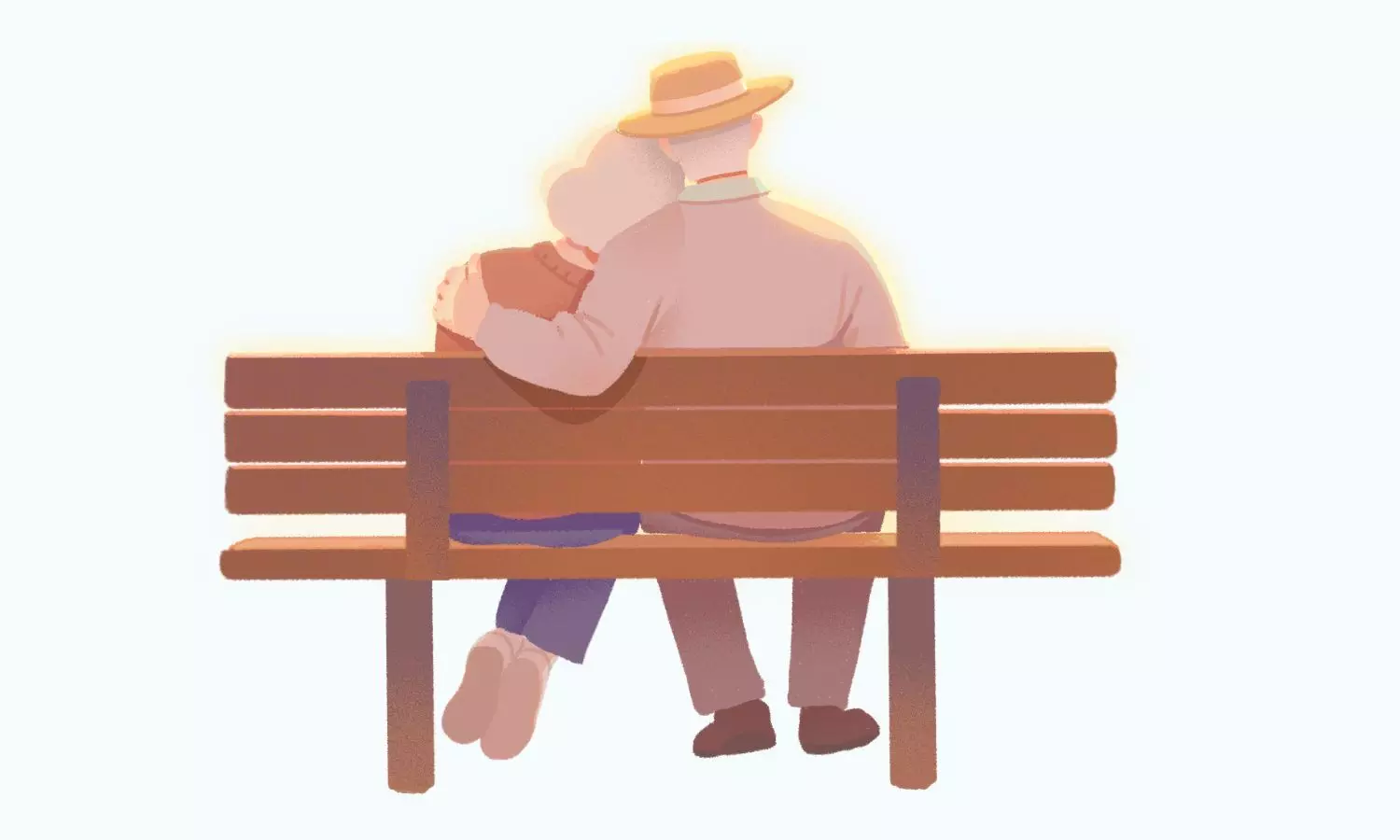
As we grow older, changes in the body are natural. However, this does not mean that love, affection, and sexual life come to an end. Sexual relationships are not only a physical need but also an important part of emotional connection, self-confidence, and mental well-being.
With the right information, understanding, and open communication with your partner, a healthy and satisfying sex life is possible at any age.
What Are the Benefits of a Healthy Sex Life?
A balanced and healthy sex life is not limited to physical pleasure. It also has positive effects on mental, emotional, and social well-being. Key benefits include:
• Greater emotional closeness and stronger relationships
• Reduced stress and a calmer, happier mind
• Improved self-confidence and self-esteem
• Better blood circulation and hormonal balance
What Changes Occur with Ageing?
As we age, natural hormonal and physical changes occur in the body. These changes are normal and may vary from person to person. With proper understanding, they can be accepted and managed comfortably.
What Changes Occur in Women?
Around menopause, the Estrogen levels begin to decrease. As a result:
• Vaginal dryness or thinning may occur which causes discomfort during intercourse
• Sexual desire may decrease
• It may take longer to become aroused
• Changes in body shape or weight may affect self-confidence
What Changes Occur in Men?
With age, testosterone levels may gradually decline. As a result:
• It may take longer to become sexually aroused
• Erections may take longer to develop or may not be as firm as before
• Ejaculation may take more time
• The likelihood of erectile dysfunction may increase, although this does not happen to every man
These changes are often a normal part of aging. If needed, consulting a doctor can be helpful.
Can Health Problems Affect Sexual Life?
Yes, the overall physical and mental health directly affect sexual health. As we age, certain medical conditions become more common and may influence desire, energy, or physical ability. These include:
• Arthritis – joint pain or stiffness may cause discomfort
• Heart disease – fatigue or weakness may occur
• High blood pressure – may affect overall body function
• Diabetes – can affect nerves and blood flow
• Obesity – may reduce energy and confidence
• Depression – low mood can reduce sexual desire
If your partner is dealing with a serious illness such as cancer or has had a heart attack, fear or hesitation about intimacy may arise. In such situations, consulting a doctor for guidance is advisable.
Remember — with proper treatment and understanding, a healthy sexual life is possible in most cases.
Can Medications Affect Sexual Life?
Many older adults take regular medications to manage health conditions. While these medicines are important, some may have side effects that affect sexual life. Possible effects include:
• Reduced sexual desire
• Difficulty becoming fully aroused
• Difficulty reaching orgasm
If you notice such changes, do not panic and do not stop medications on your own. Speak openly with your doctor. Adjusting the dose or changing the medication may help.
How Can You Maintain Sexual Health as You Age?
Although changes are natural, sexual health can be maintained with awareness and care. Here are some helpful steps:
1. Talk Openly to Your Doctor
Sexual problems are common, but many people hesitate to discuss them. A doctor can offer proper advice, treatment, and medications that have minimal impact on sexual life. Never stop medications without medical advice.
2. Communicate With Your Partner
It may feel difficult at first, but open communication strengthens relationships. Share your feelings, expectations, and concerns honestly.
3. Be Flexible and Try New Approaches
Physical and emotional needs may change with age, so a flexible and understanding approach is important. Take enough time for intimacy and choose comfortable positions or methods. Remember, intimacy is not limited to intercourse. Touch, hugging, affectionate words, and spending quality time together also deepen emotional connection and satisfaction.
4. Practice Safe Sex
Older adults are still at risk for sexually transmitted infections (STIs). Discuss your sexual history openly with your partner. If necessary, get tested together. Using condoms is a simple and effective way to prevent infections.
5. Maintain a Healthy Lifestyle
Regular exercise, balanced nutrition, and routine health check-ups keep the body healthy and support a better sexual life.
Respecting Emotional and Sexual Health in Older Age: The Role of Caregivers
If you care for an older adult, be sensitive to their emotional and sexual well-being. Companionship and new relationships can be important for their mental and physical health. Listen to them respectfully, value their feelings, and respect their privacy. Supportive and respectful behavior improves their self-esteem, emotional balance, and overall quality of life.
Love and Intimacy Are Possible at Every Age!
Growing older does not mean the end of sexual life. It is simply a new stage that requires greater understanding, communication, and sensitivity. With proper knowledge, a healthy lifestyle, and open dialogue, love and intimacy can be enjoyed at any age.
Remember — healthy relationships are the foundation of a healthy mind and body.

Dr Prem Aggarwal, (MD Medicine, DNB Cardiology) is a Cardiologist by profession and also the Co-founder of Medical Dialogues. He is the Chairman of Sanjeevan Hospital in Central Delhi and also serving as the member of Delhi Medical Council