

21-Year-Old Patient Gets Life-Changing Robotic Surgery for Rare Reproductive Condition
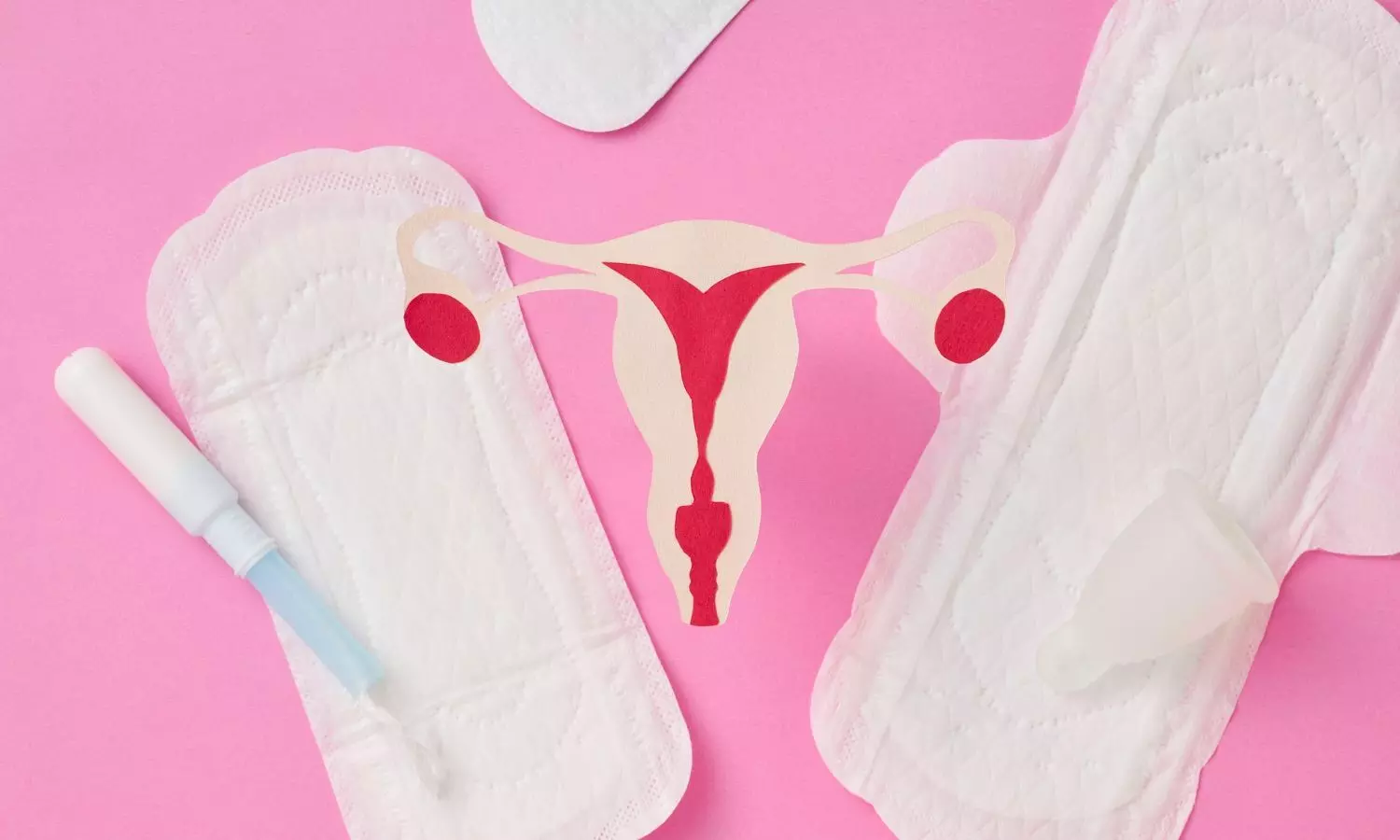
Gurugram: In an extraordinary testament to medical excellence, doctors at CK Birla Hospital, Gurugram have successfully performed a robot-assisted surgery on a 21-year-old specially abled patient suffering from vaginal agenesis, a rare birth condition where a girl is born without a normal opening for menstrual flow or vaginal passage.
The complex surgery was performed by Dr. Aruna Kalra, Senior Consultant – Obstetrics & Gynecology and the patient was discharged within 3 days in a stable condition.
The patient, a resident of Ram Nagar, comes from a humble background. She had been suffering from excruciating abdominal and pelvic pain from the past two years and her condition used to get intensified with each cycle due to accumulated menstrual blood.
She had visited multiple hospitals in her hometown, where doctors mostly recommended hysterectomy (removal of uterus) which would have permanently ended her chances of conceiving in the future.
Losing all hopes, the patient and her family visited CK Birla Hospital, where initial tests confirmed that she had been suffering from vaginal agenesis, which occurs in approximately 1 in 5,000–7,000 girls. In this patient, the condition coexisted with her limb deformity by coincidence, not due to a shared cause.
Sharing the details of the case, Dr. Aruna Kalra, Director, Obstetrics and Gynaecology, CK Birla Hospital, Gurugram said, “When we performed the MRI of pelvis it confirmed that blood was accumulating in the uterus with no natural outlet.This was a highly complex reconstructive surgery where timely intervention was critical.
Delayed treatment could have resulted in severe chronic pelvic pain, repeated infections, endometriosis due to backward menstrual flow, and even damage to uterine and ovarian structures, ultimately compromising her fertility.
Our goal was to preserve her uterus and reproductive health, and robotic-assisted minimally invasive surgery gave us that precision, along with reduced bleeding, minimised infection risk, and accelerated recovery, making this life-changing outcome possible.”
The patient recovered remarkably well. She was comfortable, mobile, and stable at discharge. With proper follow-up, she is expected to have normal menstrual flow, significantly reduced pain, and preserved fertility with the possibility of natural conception. This successful outcome highlights the importance of timely intervention and advanced robotic-assisted techniques in safeguarding reproductive health and improving quality of life.

Khushi Chittoria joined Medical Dialogues in 2025 as a Media and Editorial Intern. She holds a degree in Bachelor of Arts in Journalism and Mass Communication from IP University and has completed certifications in content writing. She has a strong interest in anchoring, content writing, and editing. At Medical Dialogues, Khushi works in the editorial department, web stories and anchoring.