

Even Occasional Drinking Can Trigger Fatty Liver in Healthy Young Women - Dr Aravind Badiger
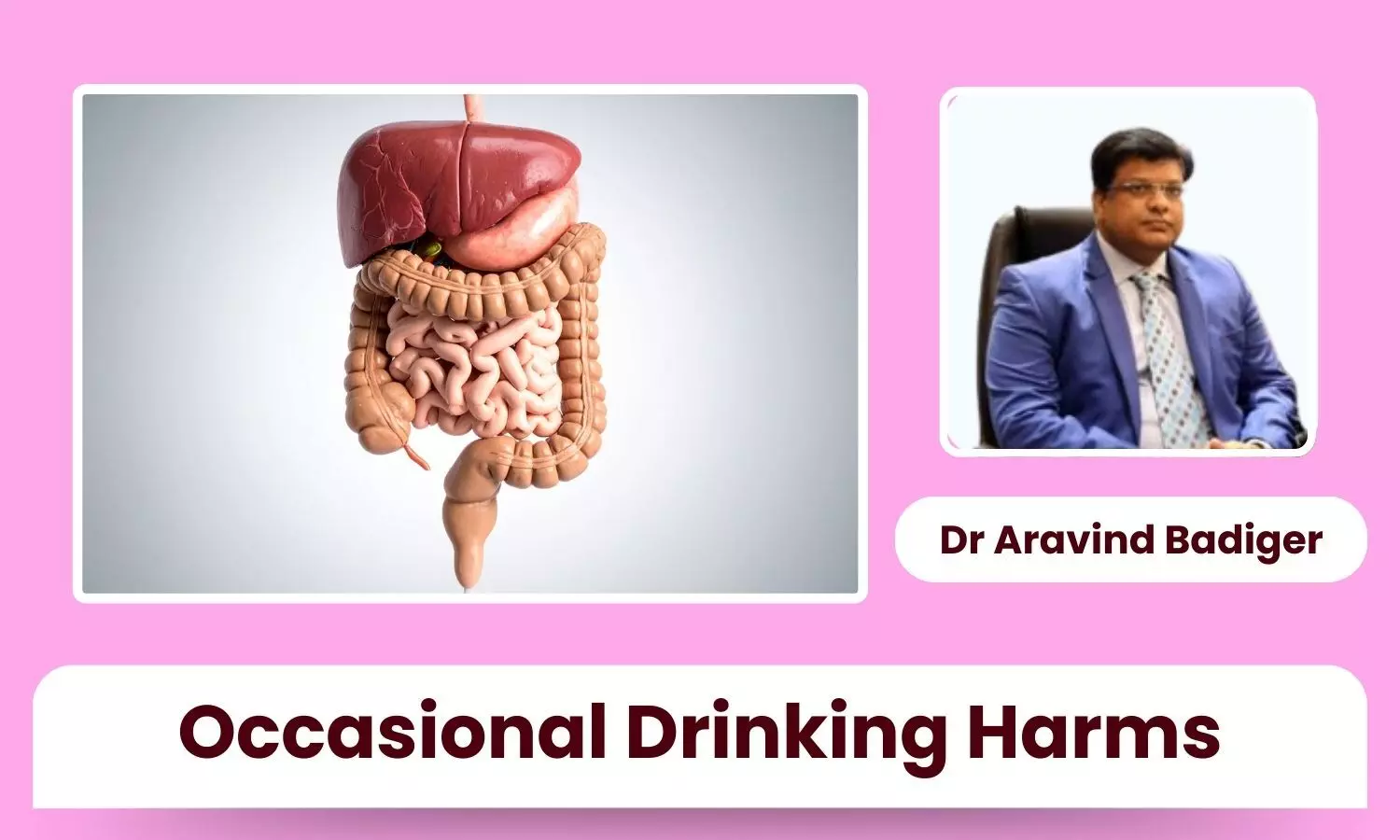
Fatty liver disease, once considered a disease that is common mainly in heavy drinkers or middle-aged patients, is now more and more recognized in young healthy women who consume alcohol on rare occasions. Social drinking, week-end cocktail parties, or simply one alcoholic drink in social settings is mostly considered not harmful.
However, studies and clinical observations have shown that even little amounts of alcohol use are increasingly likely to fasten the creation of liver fat, inflammation, and long-term damage in women. If left unchecked, this process can lead to metabolic illness, cirrhosis, or fibrosis.
Understanding Fatty Liver Disease
Fatty liver disease occurs when there is excess fat that accumulates in liver cells. Typically, it is separated into two categories:
• Alcoholic Fatty Liver Disease (AFLD): As a result of drinking too much alcohol.
• Non-Alcoholic Fatty Liver Disease (NAFLD): This condition affects people who use little to no alcohol and is usually associated with metabolic syndrome, obesity, and insulin resistance.
Although these forms are distinct, alcohol, even in small amounts, can worsen NAFLD by inducing oxidative stress, fat deposition, and inflammation in liver cells. Regular follow-ups are essential because most young women have no symptoms when they first visit. Mild fatigue, stomach pain in the upper right abdomen, or abnormal liver function tests may be the first indicators of underlying liver stress
The Reasons Young Women Are More At Risk
Because of biological and hormonal variables, women are more vulnerable to liver injury from alcohol.
Lower body water content, smaller liver volume, and the effects of hormones, particularly estrogen, result in higher blood alcohol concentration and longer duration of exposure of the liver cells to toxic metabolites. Intermittent alcohol use can itself create oxidative stress, fat accumulation, and inflammatory response, heightening the risk for advancing from simple fatty liver to steatohepatitis and fibrosis.
Clinical data validates that alcohol intake by young women - when combined with physical inactivity, excessive sugar consumption, or inherent metabolic susceptibility can accelerate liver disease.
Incidences of 20- to 35-year-old young women suffering premature fibrosis despite minimal alcohol use are increasingly on the rise. These observations are a sign that moderate alcohol is not safe and it shows there should be increased vigilance with intervention.
Long-Term Health Risks Beyond the Liver
Fatty liver disease also impacts reproductive health because it interferes with menstrual cycles, hormonal balance, and fertility. It is, therefore, important to recognize and manage early-stage fatty liver disease not only for the liver but also for overall metabolic and reproductive health.
Preventive Actions and Suggestions
Young females should take the following steps to prevent fatty liver disease:
1. Limit Alcohol: Avoid even moderate alcohol. It is currently advised to limit daily alcohol consumption to one standard drink
2. Healthy Diet: Say No to processed foods, sugar-sweetened beverages, and added fats and prioritize fruits, vegetables, whole grains, and lean meat.
3. Regular Exercise: At least 150 minutes of moderate-intensity physical activity per week reduces liver fat and increases insulin sensitivity.
4. Routine Screening: Imaging (elastography or ultrasound), metabolic marker monitoring, and liver function testing can identify early alterations before permanent damage has occurred.
5. Social Awareness: There is a need to carry out education programs to reach young women, students and social drinkers. Educating the unknown dangers of even a little alcohol aids individual to make knowledgeable lifestyle decisions.
Public Health Implications
The increasing prevalence of fatty liver in young women has important public health implications. Health organizations and clinicians need to appreciate that recreational alcohol consumption also carries serious risks.
Screening in women aged between twenty and thirty, in combination with lifestyle advice, can identify early disease and halt progression. Public health campaigns promoting the additive interactions between alcohol, diet, and inactivity can encourage lifestyle modifications that minimize long-term burden of liver disease.
Fatty liver disease is no longer a disease restricted to older individuals or heavy drinkers. Infrequent alcohol consumption leads to fat deposition in the liver of young women since they are biologically and lifestyle prone to it.
Prevention requires a proactive program, comprising of frequent exercises, a nutritious diet, moderate consumption of alcohol, and periodic liver examinations. Although people consider social drinking to be harmless, it may cause destruction of the liver. Being aware of this threat, young women will be able to make lifelong healthy decisions.
Disclaimer: The views expressed in this article are of the author and not of Health Dialogues. The Editorial/Content team of Health Dialogues has not contributed to the writing/editing/packaging of this article.

Dr Aravind Badiger is a seasoned pharmaceutical leader with over 20 years of experience in research and industry innovation. Holding a Master’s in Pharmacy (Medicinal Chemistry) and a PhD in Computer-Aided Drug Design and Discovery, he has played a pivotal role in advancing pharmaceutical R&D. He joined BDR Pharmaceuticals in 2008 and became Technical Director in 2011, overseeing the complete product development lifecycle—from molecule identification to commercialization—covering regulatory, clinical, production, and formulation strategies. Previously, Dr. Badiger held senior roles at organizations including German Remedies and Sahajanand Life Sciences, and has also served as a professor and industry consultant. At BDR, he continues to drive the development of complex formulations and novel drug delivery systems, contributing to the company’s growth as a global pharmaceutical player.