

Pelvic Floor Dysfunction: The Symptoms Many Women Live With for Years - Dr Velaga Sirisha
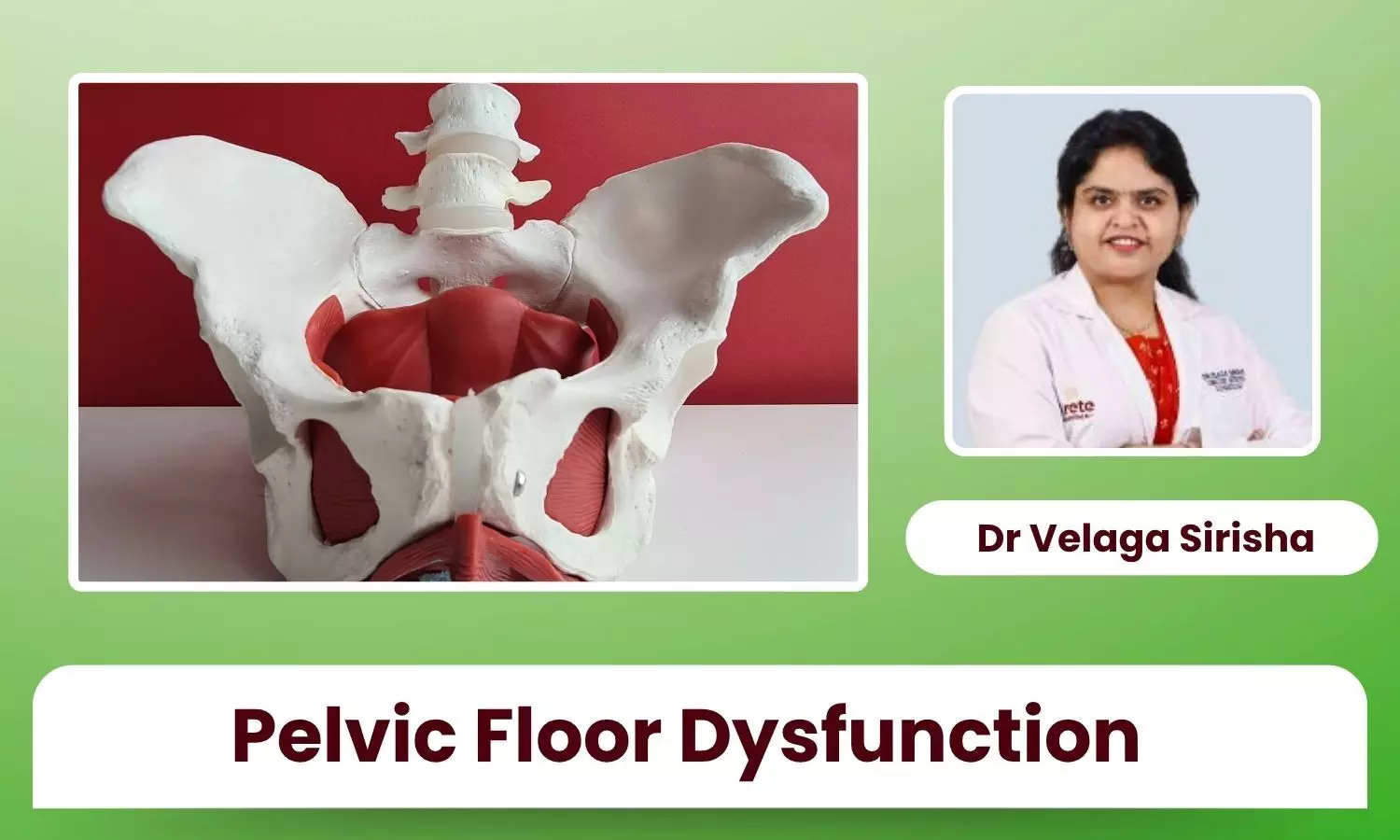
In clinic, it is not unusual for a woman to begin a consultation with a hesitant statement: “I thought this was just something women have after childbirth.” The “something” may be urine leakage while laughing, a persistent feeling of pelvic heaviness, or difficulty emptying the bladder or bowel completely. Often, these symptoms have been present for years.
Pelvic floor dysfunction is far more common than many realise, yet it remains underreported. The silence surrounding bladder, bowel, and sexual health means women frequently normalise symptoms that should, in fact, prompt medical attention.
What the Pelvic Floor Actually Does
The pelvic floor is a complex group of muscles and connective tissues that forms a supportive base for the pelvic organs—the bladder, uterus, and rectum. These muscles are responsible for maintaining continence, supporting organs in their correct position, and coordinating functions such as urination, bowel movements, and sexual activity.
When these muscles become weakened, overstretched, or poorly coordinated, the result is pelvic floor dysfunction. Pregnancy and vaginal delivery are well-known contributors, but they are not the only ones. Chronic constipation, obesity, menopause-related hormonal changes, heavy lifting, persistent coughing, and even certain high-impact exercises can place repeated strain on the pelvic floor.
Signs That Often Get Dismissed
One of the challenges with pelvic floor disorders is that the symptoms tend to develop gradually. Because they do not appear suddenly, women often adapt to them rather than seeking help.
Urinary leakage is perhaps the most commonly ignored symptom. Quite a few women simply learn to work around the problem. A pad becomes part of the daily routine, and certain activities—running, aerobics, even dancing at family functions—are quietly dropped. Most assume this is just what happens after childbirth or with age. In many cases, though, the leakage is related to weakened pelvic floor muscles, and it can improve once the underlying problem is addressed.
Another symptom women describe is a sensation of heaviness or dragging in the pelvis, sometimes accompanied by a bulge in the vaginal area. This can be an early sign of pelvic organ prolapse, where the bladder, uterus, or rectum descends from its normal position. When identified early, prolapse can often be managed conservatively.
Pelvic floor dysfunction can also manifest as persistent pelvic discomfort or pain during intercourse. These symptoms are sometimes related to muscles that are overly tight rather than weak—a detail that is important because treatment approaches differ.
Bowel symptoms are another overlooked aspect. Difficulty evacuating, a feeling of incomplete bowel emptying, or even accidental leakage of stool can all be linked to pelvic floor muscle coordination problems. Unfortunately, embarrassment often prevents women from discussing these concerns openly.
Why Women Delay Seeking Care
Social attitudes still influence how women respond to these symptoms. Problems related to the bladder or bowel are rarely discussed openly, even within families. Many patients hesitate to bring them up in a consultation, fearing they will be dismissed as an unavoidable part of getting older. Others stay away from the clinic because they assume surgery will be the only option.
The reality is that early evaluation can often prevent symptoms from progressing.
What Evaluation and Treatment Look Like
Assessment usually begins with a detailed history and a pelvic examination. Depending on the symptoms, further tests such as ultrasound or urodynamic studies may be recommended to understand how the bladder and pelvic floor muscles are functioning.
In a large number of cases, surgery is not required. Treatment usually starts with pelvic floor physiotherapy, where patients are guided through exercises that help restore better muscle control.
For some women the focus is on strengthening the muscles; for others it is about learning how to relax muscles that remain constantly tense. Attention to everyday factors—body weight, regular bowel habits, and bladder training—can also ease symptoms over time.
In situations where symptoms are more advanced, minimally invasive procedures or surgery may be considered, but these are not the starting point for most patients.
A Conversation Worth Having
Pelvic floor dysfunction is not a rare condition, nor is it something women must simply tolerate. The sooner symptoms are discussed with a healthcare professional, the more options there are to address them.
For many women, the first step is simply realising that what they have been quietly managing for years is both common—and treatable.
Disclaimer: The views expressed in this article are of the author and not of Health Dialogues. The Editorial/Content team of Health Dialogues has not contributed to the writing/editing/packaging of this article.

Dr V. Sirisha, at Arete Hospitals, is an experienced Obstetrician, Gynaecologist, Laparoscopic & Urogynaecology surgeon with 9+ years’ expertise in minimally invasive surgeries, high-risk pregnancies, pelvic floor disorders, fertility, and women’s health, offering empathetic, evidence-based, personalized care.