Pregnancy Red Flags Every Mom Should Know Before It’s Too Late - Dr Swatee Gaggare
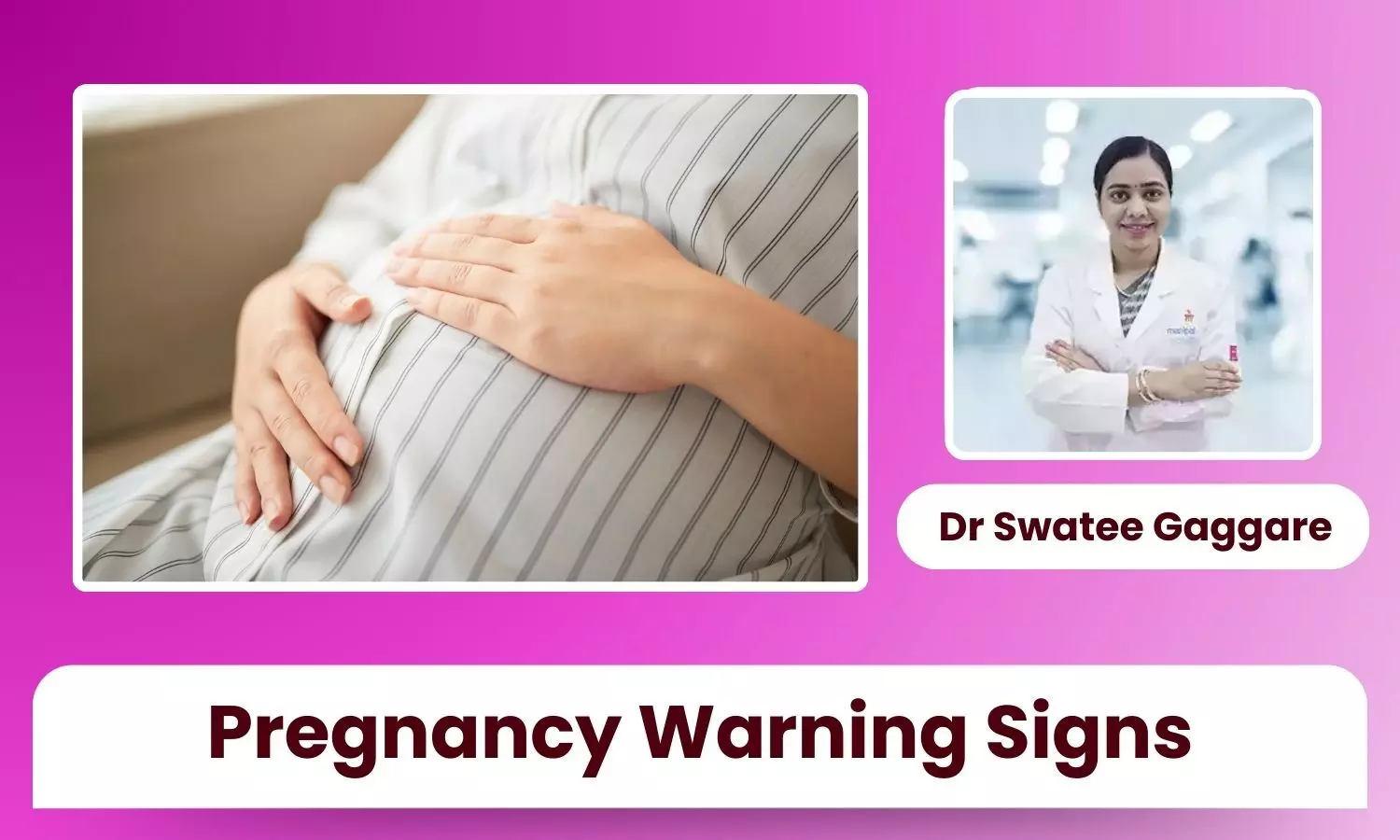
Pregnancy is a life-altering experience full of excitement and emotions. However, it is also a time for constant vigilance for the health of both the mother and the unborn child. Most pregnancies proceed normally, but there are warning indications that, if neglected, could end in a major health issue for either the mother or the unborn child. Early detection and prompt treatment could be the difference between life and death.
Unusual Bleeding or Spotting
While light spotting in the early stages of pregnancy can sometimes be benign, more severe and prolonged bleeding should always be assessed immediately by a doctor it could indicate the miscarriage. In later pregnancy trimester heavy bleeding indicate placenta previa, or placental abruption.
A doctor could put it on bed rest or give it medication if you start bleeding early in your pregnancy. An emergency C-section or surgical treatment may be necessary if there is a more serious diagnosis to safeguard the mother's health.
Severe Cramps or Pain in the Abdomen
Most probably shouldn't worry because mild discomfort is normal while the body gets used to being pregnant. But severe or ongoing discomfort should never be ignored. Severe lower abdomen pain, for instance, could be a sign of an ectopic pregnancy, in which the embryo has implanted outside the uterus, generally in one of the fallopian tubes.
To prevent potentially rupturing the pregnancy, which could end in severe internal bleeding, ectopic pregnancy is a surgical emergency that requires prompt examination. Laparoscopic surgery, a minimally invasive surgical procedure, would be necessary to safely remove the ectopic (nonviable) pregnancy if treatment is not received.
Dehydration or Persistent Vomiting
Although morning sickness is common, extreme vomiting or hyperemesis gravidarum can cause weight loss, electrolyte imbalance, and dehydration. Intravenous fluids, anti-nausea drugs, and feeding to stabilize the mother and baby are all part of hospital-based care.
Unexpected swelling, headaches, and vision changes
Preeclampsia, a disorder that causes increased blood pressure and potential organ damage, including the liver or kidneys, can be indicated by unexpected swelling of the hands, feet, or face along with headache and impaired vision. Preeclampsia can progress to eclampsia if left untreated, endangering the mother's health and perhaps causing seizures in both the mother and the child.
High Temperature or Severe Infection
Urinary tract infections (UTIs), chorioamnionitis, and COVID-related problems might cause preterm labor or negatively impact the growth of the fetus during pregnancy. Antibiotics and antiviral medications should be administered as soon as possible. Surgery, such as drainage, or an emergency delivery may be required to prevent sepsis in certain severe infections.
Preterm Labor Symptoms
Preterm labor can be indicated by regular contractions, lower back pain, pelvic pressure, or fluid leakage from the vagina before 37 weeks. Early detection of these symptoms allows for medical intervention, such as corticosteroids during pregnancy to aid in fetal lung maturation, and preparation for neonatal services and potential newborn delivery if delivery is necessary.
Reduced Fetal Movement
Fetal distress, which can be related to a lack of oxygen supply or placental insufficiency, can be indicated by decreased or nonexistent fetal movements. To evaluate the health of the unborn child during pregnancy, the doctor can suggest a biophysical profile, an ultrasound Doppler study, or a non-stress test (NST).
To prevent significant morbidity, such as stillbirth or fetal death, the provider could recommend starting labor or conducting an emergency cesarean delivery if the assessment shows that the baby is in distress due to the reduced movement.
Palpitations, chest discomfort, or dyspnoea
While mild dyspnoea is common in late pregnancy, sudden or severe dyspnoea can indicate a sign of cardiovascular problems or pulmonary embolism (blood clot in the lung). These conditions should be promptly assessed, including imaging, and may even require anticoagulation or emergency cardiac intervention.
Modern diagnosis and surgical procedures, such as laparoscopic treatment of ectopic pregnancy and emergency obstetric surgery with an emphasis on mother and newborn benefit, are the cornerstones of prenatal care today. It's key to recognize symptoms, seek immediate medical attention, and rely on a team of specialist obstetricians.
Although every pregnancy is unique, it is essential that no symptom that seems "unusual" be written off. Access to contemporary obstetric care, awareness, and regular attendance at appointments will all contribute to ensuring the safety of mother and child during the entire delivery process.
Disclaimer: The views expressed in this article are of the author and not of Health Dialogues. The Editorial/Content team of Health Dialogues has not contributed to the writing/editing/packaging of this article.

Dr Swatee Gaggare is a highly experienced gynaecologist and obstetrician with 8+ years of expertise at Manipal Hospitals, Baner, Pune, specialising in high-risk pregnancies, minimally invasive surgeries, reproductive medicine, and comprehensive women’s healthcare with a patient-centric approach.