

Beyond Dialysis: The Emerging Role of Regenerative Medicine in Treating Acute Kidney Injury - Dr Jagriti Yadav
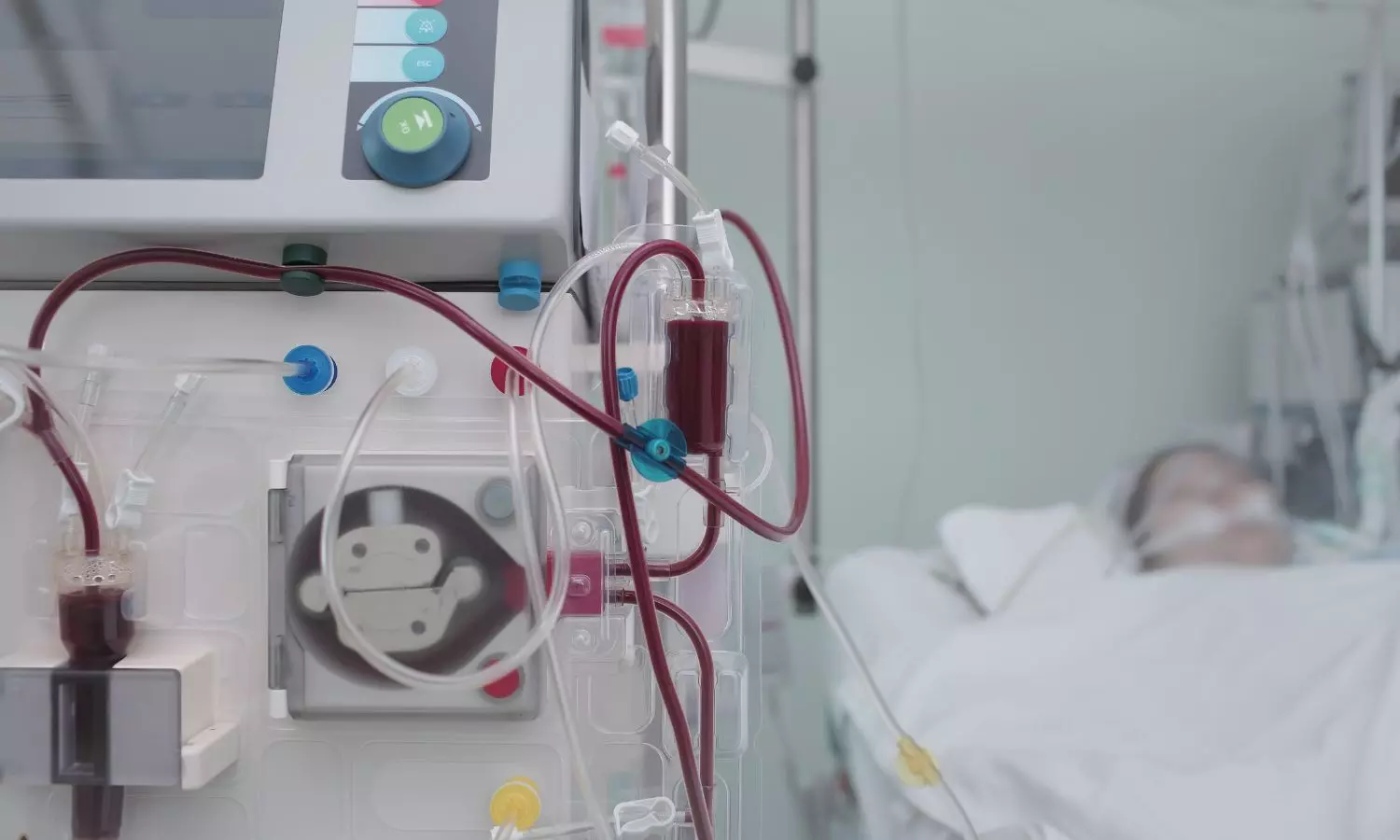
Each and every year, World Kidney Day draws attention to the significance of health related to kidney and increasing burden of kidney related disease. Among the many conditions which affect the function of kidney, Acute Kidney Injury is a very serious conditions that lead to significant health problems. In recent year, modernisation in regenerative medicine have opened very new possibilities in order to manage and improve recovery of patients as affected by Acute Kidney Injury.
Understanding Acute Kidney Injury
Acute Kidney Injury (AKI) is a sudden and rapid decline in the functioning of kidney that typically develops within the few hours to a few days. It also occurs when kidney loss its ability to filter the waste products of body in effective way. Several factors are responsible behind the cause of AKI, including severe infections, dehydration, reduced flow of blood to the kidneys and use of certain medications that can damage the tissue of kidney.
When the function of kidney deteriorates, waste products and fluids start getting accumulated in body which can also disrupt the balance of electrolytes and other essential substance present in the blood. It it is not recognised and treated properly; AKI may also lead to serious complications such as overload of fluid and damage to other organs as well.
Usually, AKI is observed in those patients which are extremely critical and admitted in ICUs. While early diagnosis and supportive medical treatment can also help to restore the functioning of kidney in several cases, many episodes of AKI may also lead to long term damage of kidney or even chronic kidney disease as well.
The Emerging Role of Regenerative Medicine
Normal Treatment to AKI mainly focuses on supportive care, managing the underlying causes and provide short term dialysis support. These approaches usually do not repair issues directly to kidney. This is where regenerative Medicine have now begin to show promise.
Regenerative Medicine also aims to restore or regenerate damaged tissues and organs by using the biological therapies. In the context of disease related to kidney, some of the techniques such as stem cell therapy, growth factor-based treatments and tissue engineering may also repair injured cells of kidney and support recovery in proper way.
In regenerative medicine stem cell therapy hold a very strong promise ultimately reducing inflammation and aiding tissue repair via bioactive molecules from specific cells like mesenchyme stem cells. Recent studies also show indicates improvement in recovery from acute kidney injury and slow down progression to chronic kidney disease, though full generation remains completely challenging.
Potential Benefits for Patients
In medical care related to kidney, the application of regenerative medicine could also offer many benefits. By targeting the underlying cellular damage, these therapies also increase the recovery of kidney, reduce the need of prolonged analysis and improve long term functioning of kidney.
As medical innovation is continuously evolving, regenerative medicine is also emerging as significant frontier in the treatment related to acute kidney injury. By focussing on the repair of tissues and functional restoration, it provided new hopes for a more effective recovery and improvement in the outcomes for patients facing the kidney diseases.
Disclaimer: The views expressed in this article are of the author and not of Health Dialogues. The Editorial/Content team of Health Dialogues has not contributed to the writing/editing/packaging of this article.

Dr. Jagriti Yadav is the Medical Director – Lab Operations at Cryoviva Life Sciences, based at the Gurugram headquarters, having joined the organization on September 1, 2025. She holds an MBBS from NIMS, Jaipur, and a DNB in Pathology from St. Stephen’s Hospital, Delhi. With over six years of experience, Dr. Yadav has developed expertise in hematopathology, peripheral blood smear evaluation, cytology, Hb HPLC interpretation, biochemistry, and laboratory quality management. Prior to joining Cryoviva Life Sciences, she served as a Consultant at Microbe Diagnostics. She began her professional journey in 2019 as a Consultant with Mangalam Diagnostics.