

Brushing Battles, Hidden Sugar and the Silent Rise of Childhood Cavities - Dr Nikhita Gune
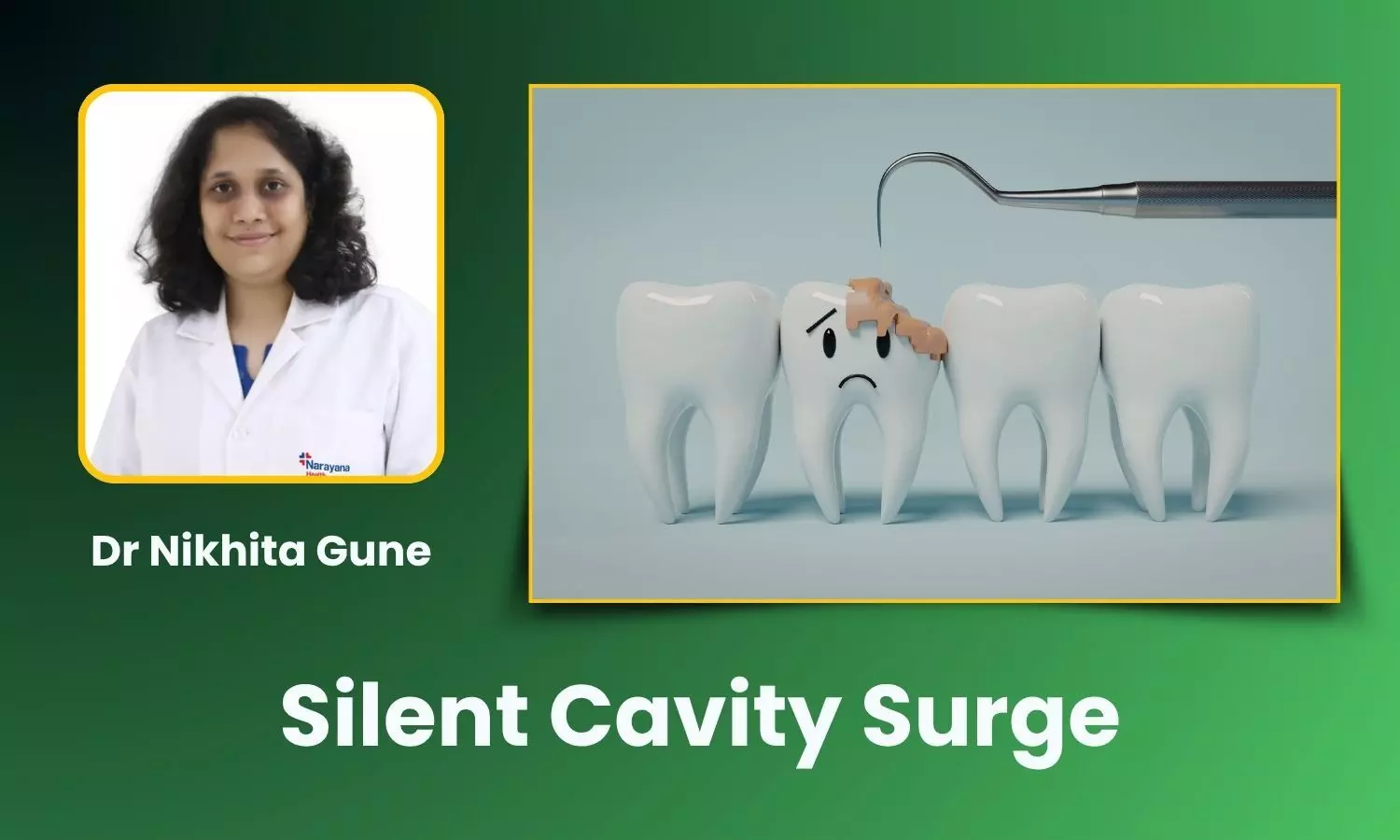
From bedtime negotiations to snack-time surprises, everyday routines are quietly shaping children’s dental health more than most families realise. Children don’t seem enthusiastic to brush their teeth. No amount of cajoling seems to work. Brushing feels like one more task to survive before bedtime in most families.
Nothing about that moment feels medically significant. And yet, in paediatric dental practice, these minor compromises often sit at the beginning of a bigger story.
When dental problems begin long before pain
Defying the common misconception of childhood cavities announcing their onset through swelling, crying, sleepless nights, tooth decay usually begins innocuously. Early Childhood Caries (ECC) often begin months, sometimes years, before a child even complains of pain.
Dental clinicians meet children whose teeth look intact at first glance but show early enamel demineralisation — the stage where minerals slowly dissolve from the tooth surface. As baby teeth have softer enamel, damage progresses faster than parents expect. A child who eats well and appears active may still be developing decay silently.
What surprises families is that cavities are less about how much sugar a child eats, and more about how often teeth encounter it.
What actually happens inside a child’s mouth
The mouth is a living ecosystem. A thin plaque biofilm constantly forms over teeth, made up of bacteria that are normally harmless. Trouble begins when frequent sugar exposure feeds acidogenic bacteria. These microbes convert sugars, especially hidden sucrose and glucose syrups, into acids that lower the mouth’s pH.
Each such acid deposit weakens enamel through a process called enamel demineralisation. Saliva tries to repair this damage by restoring minerals, a natural protective function many parents are unaware of. But many children demand snacks throughout the day – a biscuit during online class, juice during screen time, flavoured milk or bottle milk before bed.
When snacking becomes continuous activity, saliva does not get enough recovery time. Slowly, almost invisibly, the balance shifts.
The hidden sugar reality of modern childhood
Children’s lunchboxes and snack shelves look very different today from a decade ago. Foods labelled “healthy”, “energy boosting” or “made with real fruit” often carry concentrated sugars that stick to teeth longer than traditional home meals. Add screen-time snacking, where chewing happens absent-mindedly, and sugar exposure becomes constant.
Parents often limit chocolates but overlook breakfast cereals, packaged snacks, smoothies, or nutrition bars. From a dental perspective, repeated exposures like these matter a great deal more than a single sweet treat for the deterioration of the health of children’s teeth.
Subtle warning signs families often miss
Before toothache appears, children usually show quiet signals:
● White, chalky patches near the gums
● Sensitivity to cold or sweet foods
● Bad breath despite regular brushing
● Chewing only on one side
● Teeth losing their natural shine
These early changes are often reversible, if detected in time.
Small habits that make a lasting difference
Prevention rarely depends on strict rules. Children respond better to predictable routines shared by the whole family.
• Weaning off bottle feeding or on demand breastfeeding once the teeth start erupting and the child crosses 1.5 years of age
● Fixed brushing times morning and night using age appropriate fluoridated toothpaste
● Reducing snacking between meals
• Complete avoidance of sticky, retentive sugars such as caramels, toffees, lollipops etc.
● Offering water or encouraging the child to rinse after snacks to help saliva neutralise acids
● Avoiding consumption of milk, sweets or any food items after nighttime brushing
● Introducing dental visits early so clinics feel familiar and inviting, not frightening
● Regular visits for fluoride application on milk teeth in dental offices based on the pediatric dentist’s assessment of the child’s oral health.
When routines feel normal rather than corrective, children cooperate more naturally.
Beyond cavities: The emotional side of oral health
Dental discomfort affects more than teeth. Children with untreated decay may eat slowly, avoid certain foods, or withdraw during play because smiling or chewing hurts. Sleep becomes restless and parents may notice mood changes long before recognising dental causes. Confidence also quietly dips. In many ways, oral health mirrors everyday wellbeing.
A gentler way to look at brushing battles
Modern parenting moves at an exhausting pace. Families now navigate packed schedules, processed foods, and digital distractions daily. The goal is not perfect brushing or eliminating every sweet moment, but restoring balance so teeth get time to recover, stabilising routines and allowing habits to grow gradually.
A few minutes brushing every night may feel ordinary, even frustrating. Still, in that small ritual lies something powerful: a child’s smile, confidence, and health for years to come.
Disclaimer: The views expressed in this article are of the author and not of Health Dialogues. The Editorial/Content team of Health Dialogues has not contributed to the writing/editing/packaging of this article.

Dr Nikhita Gune is a skilled paediatric and preventive dentist at Narayana Health SRCC Children’s Hospital, Mumbai, with over 13 years of experience. She holds a BDS from Nair Hospital Dental College and an MDS in Paediatric Dentistry. Known for her gentle, child-friendly approach, she specialises in comprehensive dental care, early prevention, and creating positive dental experiences for children.