

Glioma Explained: Causes, Symptoms & Treatment Options - Dr Aniruddha Vasant More
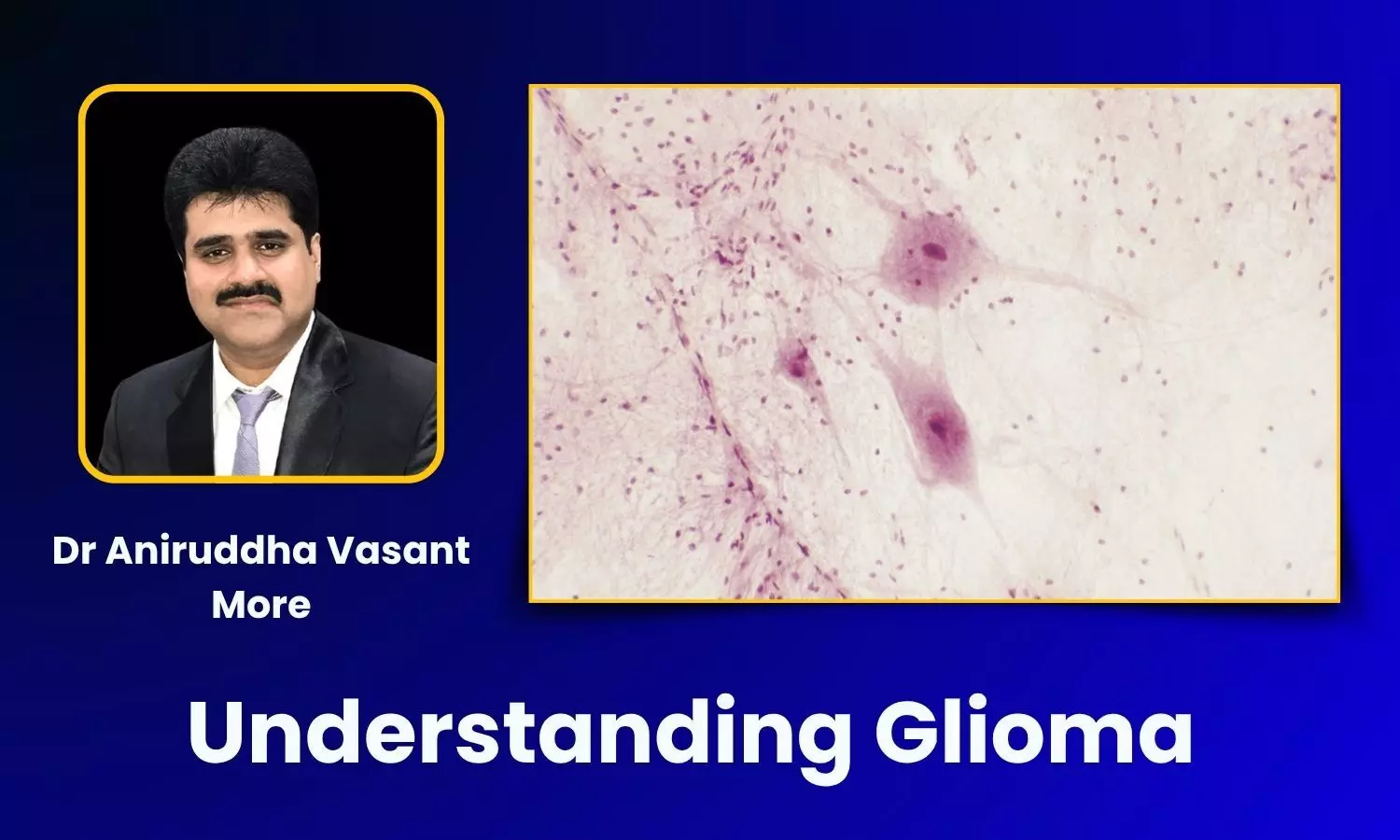
Brain tumours are often spoken about with fear, but not all are the same. Glioma is one of the more commonly discussed types, and understanding it in simple terms can help people recognise early signs and seek timely care.
Glioma is a tumor that develops in the brain or spinal cord. Gliomas develop in glial cells, which are the supporting cells of the nerve cells. Gliomas may be diverse, with some growing at a slow rate and others growing at a fast rate.
When it comes to causes, there is no single clear reason why gliomas develop. In most cases, they occur without a definite trigger. Certain genetic factors and previous exposure to radiation may increase risk, but for many people, it happens without any known cause. This unpredictability is what makes awareness important.
The symptoms of glioma usually depend on the position of the tumor in the brain. Headaches which are not usual headaches are the first symptoms. Some may even develop seizures, even though they may never have experienced one before. Others may develop changes in memory, personality, or speech. Weakness in one part of the body, difficulty in balancing, or vision may also be felt. These symptoms may develop gradually, and people may even ignore them, thinking that they are suffering from stress.
The diagnosis of this cancer is done by imaging techniques, including MRI scans, which help in determining the size and location of the tumor. At times, a biopsy is required to know more about the type of glioma.
The treatment for glioma varies depending on the type of glioma as well as the health status of the patient. In most cases, the first line of action in the treatment of glioma is usually surgery, in which the tumor is completely excised. In some cases, the patient may also undergo radiation therapy as well as chemotherapy. However, in the recent past, the development of targeted therapy has improved the success rate in the management of glioma patients.
The process of recovery as well as management varies in different individuals. In some cases, the patient may completely recover after the administration of the required treatment, whereas in other cases, the patient may need to be managed.
What is worth noting, however, is that paying attention to unusual symptoms can, in fact, make a big difference. While it is true that headaches and fatigue may be indicative of something being wrong, unusual and inexplicable symptoms should not be taken lightly. Awareness, diagnosis, and a personalized approach to managing glioma remain significant in managing this type of cancer effectively.
Disclaimer: The views expressed in this article are of the author and not of Health Dialogues. The Editorial/Content team of Health Dialogues has not contributed to the writing/editing/packaging of this article.

Dr Aniruddha More is a Consultant Neurologist at Jupiter Hospital, Thane, with strong academic training from some of India’s leading medical institutes. He completed his MBBS from Seth GS Medical College and KEM Hospital, Mumbai, in 2006, earning the prestigious Ratan Tata and JRD Tata scholarships, followed by an MD in Medicine from Nair Hospital and TN Medical College in 2011. He has served at MT Agrawal Hospital during his government bond tenure and worked as an Assistant Professor and ICU in-charge at Padmashree Dr. DY Patil Hospital from 2012 to 2014.