

Inclusive Classrooms, Confident Children: How Awareness Is Changing the Down Syndrome Narrative - Dr Anaita Hegde
Down syndrome, or Trisomy 21, is a genetic condition that influences development from early childhood. Children may have hypotonia, meaning lower muscle tone that affects posture and coordination, or differences in speech and language processing that make communication slower to emerge. Some experience cognitive developmental delay, which changes the pace of learning, but not the desire to connect or participate.
In developmental paediatric practice, clinicians often observe that children respond less to labels and more to environments. When expectations remain warm and realistic, progress unfolds steadily. The brain during early childhood shows remarkable neuroplasticity, adapting through repetition, social interaction, and encouragement.
Learning happens best where children feel safe enough to try.
Why inclusion changes everyone, not just one child
Teachers frequently notice that inclusive classrooms reshape group behaviour itself. Children learn patience organically. Cooperation becomes instinctive rather than instructed. Differences stop feeling unusual because they are simply part of daily life.
Peer interaction strengthens social communication development for children with Down syndrome while also improving empathy and emotional awareness among classmates. Shared play, collaborative tasks, and routine classroom participation help develop executive functioning skills such as turn-taking, planning, and attention regulation.
In many ways, inclusion teaches life skills no textbook can offer.
A shift happening across schools today
Across urban India, conversations around inclusive education are growing louder, influenced by evolving educational policies, increased developmental awareness, and broader discussions around neurodiversity. Parents today speak not only about academic scores but also emotional wellbeing and social confidence.
Awareness campaigns and school initiatives are slowly replacing outdated narratives of pity with dignity and capability. The focus is moving towards participation — allowing children to be seen for what they can do, not defined by what takes longer.
Strengths families often discover early
Children with Down syndrome frequently demonstrate abilities that flourish in supportive environments:
● Strong visual learning and imitation skills
● Deep social warmth and responsiveness to peers
● Comfort with predictable routines and structure
● Motivation through encouragement and positive feedback
● Genuine joy in shared activities and friendships
Recognising strengths shifts conversations from limitation to possibility.
Simple classroom practices that make a big difference
Small adjustments in classrooms can transform learning experiences for children with Down syndrome:
● Visual schedules that make transitions easier
● Instructions broken into manageable steps
● Peer-supported learning activities
● Sensory-friendly classroom adaptations
● Individualised Education Plans (IEPs) aligned with developmental pace
Interestingly, these approaches often improve learning clarity for all students, not only those needing additional support.
Where confidence truly begins
Families frequently notice change outside school first — a child attempting conversations more often, volunteering during activities, or showing pride after completing simple tasks independently. Confidence grows quietly. It builds through repeated experiences of being included rather than protected.
Emotional security allows children to explore, communicate, and engage with curiosity instead of hesitation. Over time, participation becomes natural, not assisted.
Moving from sympathy to understanding
The most meaningful change happening today is subtle. Society is beginning to understand that children with Down syndrome do not need sympathy; they need opportunity, structure, and acceptance. Inclusion is not an act of kindness — it is an investment in development.
When classrooms welcome difference without spotlighting it, children learn one of life’s earliest and most powerful lessons: everyone belongs in the circle.
And in that shared space – between laughter during group work, friendships on playgrounds, and small everyday victories – confidence grows, quietly and authentically, for every child learning together.
Disclaimer: The views expressed in this article are of the author and not of Health Dialogues. The Editorial/Content team of Health Dialogues has not contributed to the writing/editing/packaging of this article.
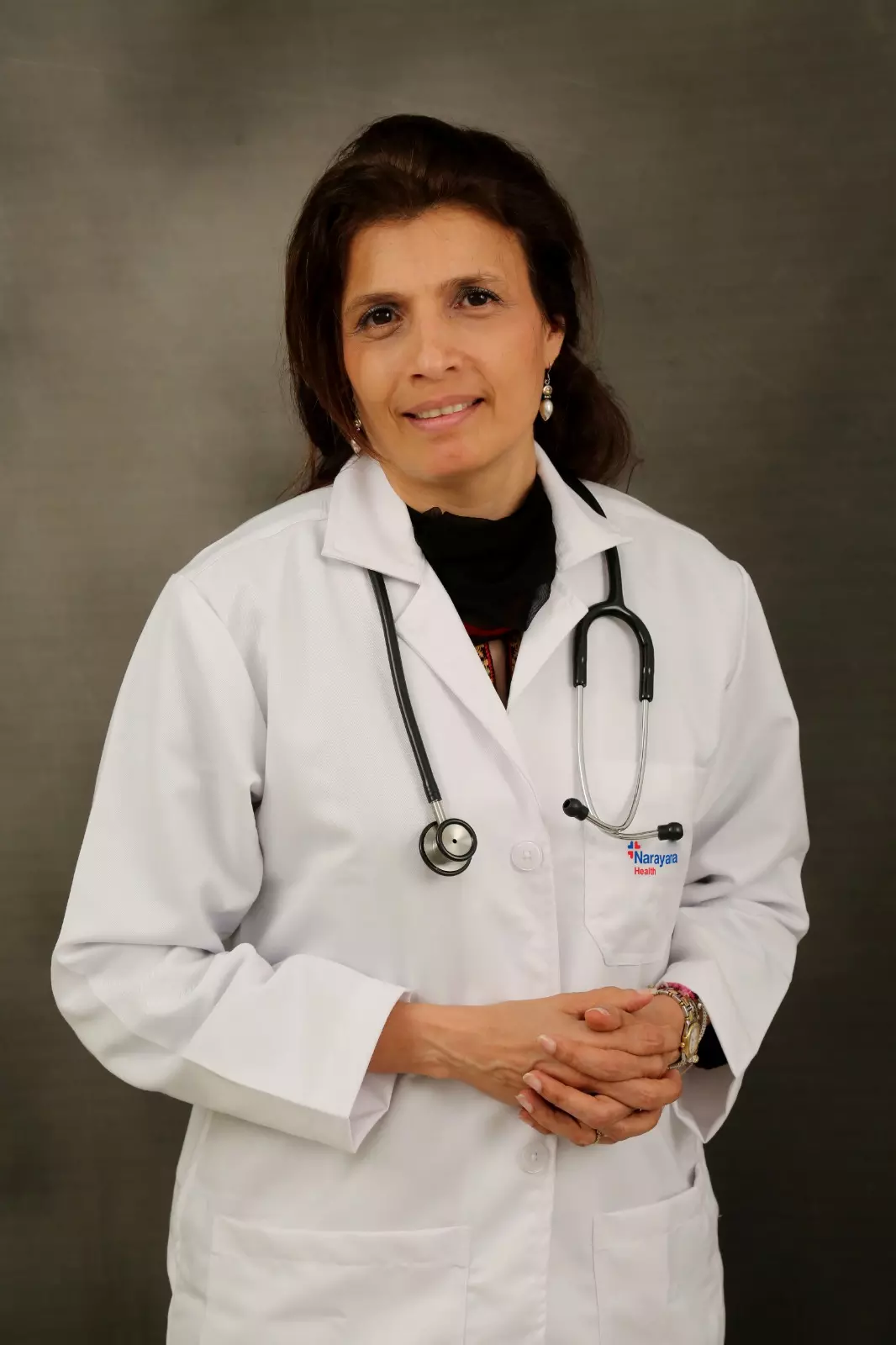
Dr Anaita Udwadia Hegde is a Senior Consultant in Paediatric Neurology and Head of Neurosciences at SRCC Children’s Hospital, Mumbai, with over 25 years of experience. She specialises in epilepsy, movement disorders, and developmental disabilities. A former President of the Association of Child Neurology of India, she is deeply involved in mentoring, research, and advancing paediatric neurological care.