

Is Your Teen Really ‘Overreacting’? Understanding Emotional Pain in Young Love - Dr Shorouq Motwani
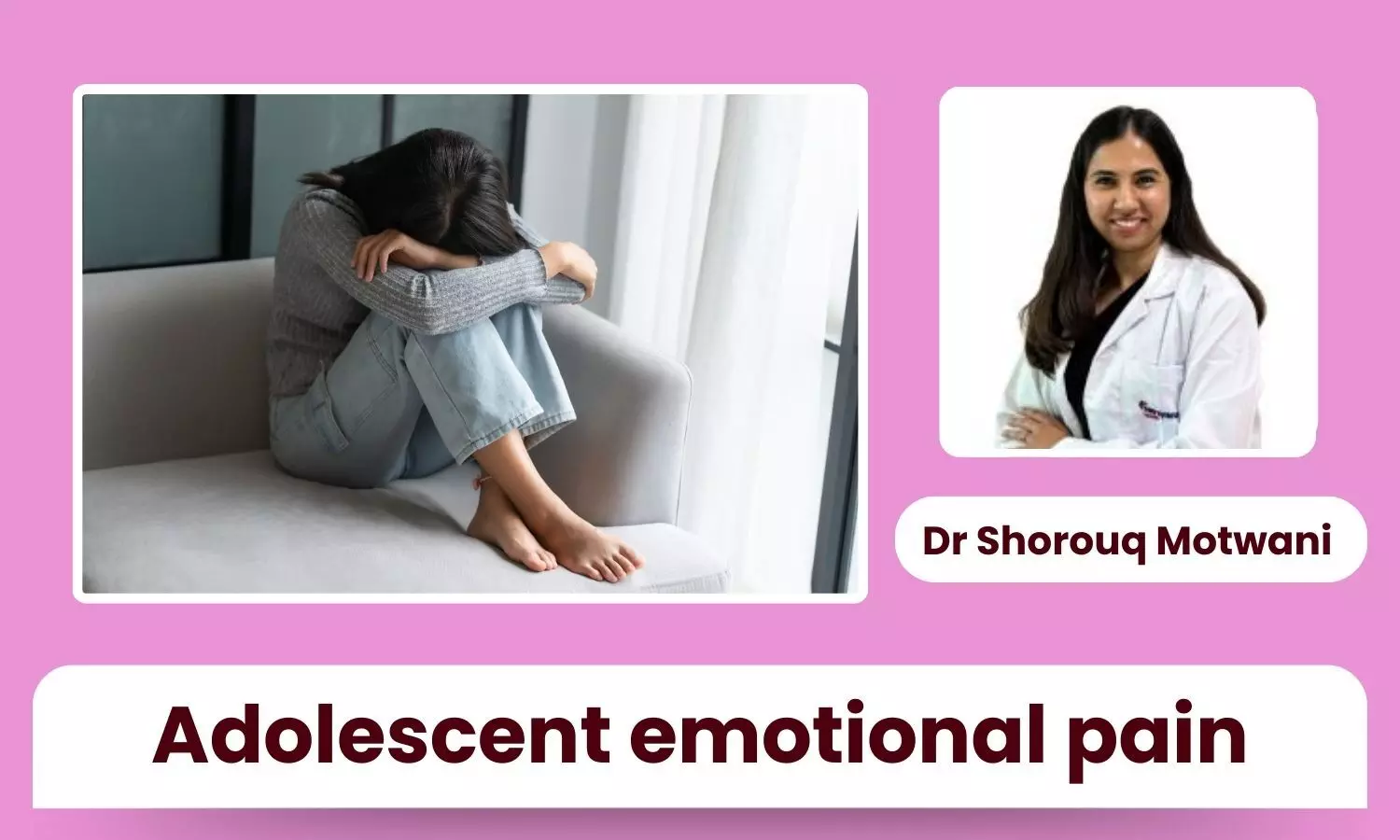
When teenagers and adolescents cry over a breakup or rejection, their feelings are often brushed aside by their parents and families. Their feelings are met with a familiar response heard commonly across households: “It’s just teenage infatuation, it is not that serious”. However, what most guardians fail to realise is that for teenagers, emotional pain in young love is anything but small and unimportant.
Valentine’s Day can amplify these feelings. While some adolescents celebrate friendships or first relationships, others experience rejection, comparison, loneliness, or heartbreak – often for the very first time. What looks like an overreaction to adults is, in reality, a deeply felt emotional experience for a developing brain.
Why teenage heartbreak feels so intense
During adolescence, the emotional centres of the brain develop faster than the areas responsible for impulse control and emotional regulation. This means that while on the one hand, feelings arrive quickly and intensely, the ability to manage them is still catching up on the other hand.
For a teenager, a first romantic rejection can feel overwhelming because:
● It may be their first experience of emotional loss
● Their sense of identity and self-worth is still forming
● Peer validation plays a central role in how they see themselves
● Social media keeps emotional wounds constantly visible
To them, it is not “one of many relationships.” It feels like everything.
When love hurts more than it should
Most emotional ups and downs around relationships are a normal part of growing up. However, some signs suggest that a teenager may be struggling more than expected:
● Persistent sadness or withdrawal after rejection or a breakup
● Sudden changes in sleep, appetite, or academic performance
● Increased irritability, anger, or emotional outbursts
● Excessive self-blame or feelings of worthlessness
● Loss of interest in activities they once enjoyed
In some cases, romantic stress can trigger anxiety, depressive symptoms, or unhealthy coping behaviours.
What parents can do (and what to avoid)
The most important response should be validation, not censure. Dismissing a teen’s pain often pushes them into silence.
Helpful responses include:
● Listening without rushing to “fix” the problem
● Acknowledging their feelings, even if the situation seems minor
● Avoiding comparisons to adult experiences or past relationships
● Encouraging healthy distractions and routines
● Seeking professional support if distress persists or worsens
Teenagers don’t need lectures in moments of heartbreak – they just need to feel heard.
Teaching emotional resilience through empathy
The occasion of Valentine’s Day can be seen as an opportunity to discuss healthy relationships, self-respect, and emotional boundaries and not just romance. Supporting and empathising with teenagers through emotional pain teaches them something lasting: that feelings can be intense, uncomfortable, and still survivable.
Young love may look fleeting from the outside, but the emotions are real. When we take teenage heartbreak seriously, we help young people develop resilience, emotional awareness, and healthier relationships—with others and with themselves.
Disclaimer: The views expressed in this article are of the author and not of Health Dialogues. The Editorial/Content team of Health Dialogues has not contributed to the writing/editing/packaging of this article.

Dr Shorouq Motwani is a dedicated Child and Adolescent Psychiatrist with expertise in diagnosing and treating emotional, behavioural, and neurodevelopmental disorders. She holds an M.D. in Psychiatry and a D.N.B., along with a fellowship in Child and Adolescent Psychiatry. She works collaboratively with families and schools to create comprehensive, evidence-based treatment plans.