
Study suggests oral bacteria may help predict the risk of chronic liver disease
Bacteria present in the mouth may significantly influence gut health and could help predict the risk of developing chronic liver disease.
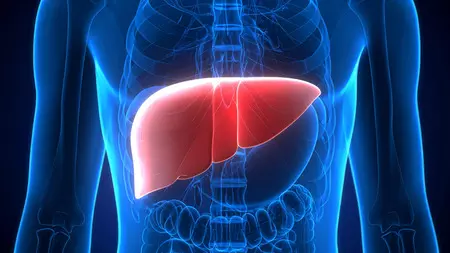
Emerging research suggests that bacteria present in the mouth may play a significant role in influencing gut health and could help predict the risk and progression of chronic liver disease. Advanced chronic liver disease (ACLD) remains a major global health concern, contributing to over two million deaths worldwide each year. Understanding the factors that drive its progression is critical for improving patient outcomes.
In a study published in Nature Microbiology, researchers examined the relationship between the oral and gut microbiome in individuals with varying stages of liver disease. The study analysed saliva and stool samples from 86 patients diagnosed with chronic liver conditions. Scientists from the Technical University of Munich, Germany, led the investigation, focusing on how bacterial populations change as liver disease worsens.
The researchers found that both the gut and oral microbiomes undergo marked alterations during the progression of liver disease. Notably, changes in the oral microbiome were detectable even at earlier stages of the condition, suggesting that shifts in mouth bacteria may serve as an early indicator of disease development. In healthy individuals, microbial communities in different parts of the body, such as the mouth and gut, are usually distinct. However, this separation appeared to break down in patients with chronic liver disease.
As liver disease advanced, the bacterial populations in the mouth and gut became increasingly similar. In some patients with advanced disease, nearly identical bacterial strains were found in both locations. Many of these strains are typically confined to the oral cavity and are rarely present in a healthy gut. Their increasing presence in the intestines suggests that oral bacteria may migrate and colonise the gut in people with liver disease.
Further analysis revealed that several of these oral bacteria were associated with damage to the intestinal barrier. Genetic studies showed that these microbes carry genes responsible for producing enzymes that degrade collagen, a key structural component of the gut lining. Laboratory testing confirmed that these enzymes were active, supporting the theory that bacterial-driven collagen breakdown could weaken the intestinal barrier.
A compromised gut barrier may allow bacteria and their by-products to enter the bloodstream and reach other organs, including the liver. This process could potentially worsen liver inflammation and accelerate disease progression.
The findings highlight new possibilities for managing chronic liver disease. Strategies aimed at protecting or restoring the gut barrier may help slow disease advancement. Additionally, targeting the oral microbiome through improved oral hygiene or therapeutic interventions—could offer a novel approach to reducing complications and improving long-term outcomes for patients with chronic liver disease.

Dr Bhumika Maikhuri is a Consultant Orthodontist at Sanjeevan Hospital, Delhi. She is also working as a Correspondent and a Medical Writer at Medical Dialogues. She completed her BDS from Dr D Y patil dental college and MDS from Kalinga institute of dental sciences. Apart from dentistry, she has a strong research and scientific writing acumen. At Medical Dialogues, She focusses on medical news, dental news, dental FAQ and medical writing etc.