

WHO Report Reveals India’s Ongoing Battle Against Malaria
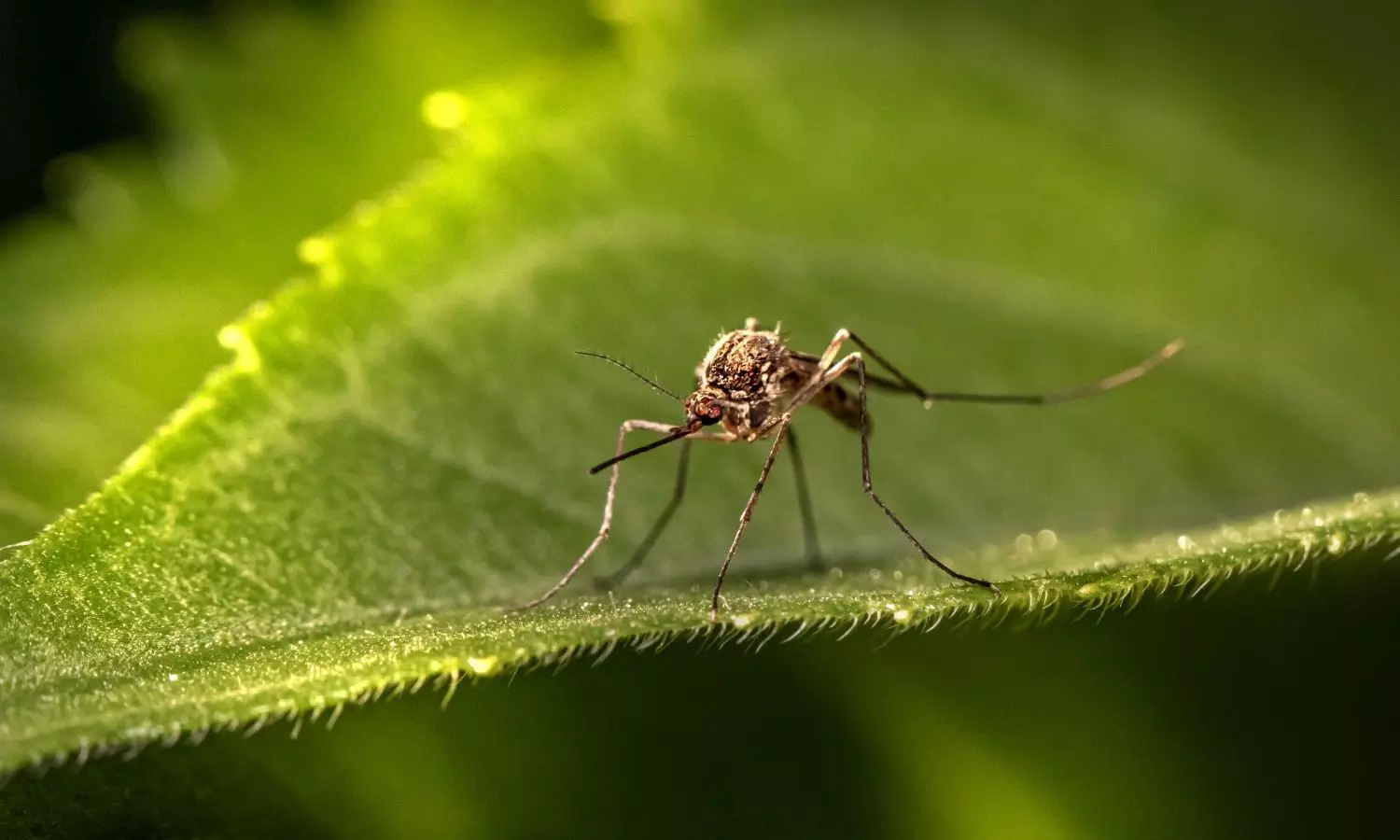
India may be on track to meet its malaria-reduction targets, but the latest WHO report shows the country continues to carry the heaviest malaria burden in the South-East Asia Region. Doctors say that weak surveillance and delayed treatment continue to lead to outbreaks.
Dr Prabhat Ranjan Sinha, Senior Consultant- Internal Medicine, Aakash Healthcare, said "The WHO report demonstrates that India continues to be a leading malaria burden carrier throughout our geographic area despite efforts to stop disease progression.
The main factors behind this situation include large population areas with inadequate mosquito control and irregular rapid testing and delayed medical care because people often wait for their fever to subside. The lack of testing facilities in remote, border, and tribal areas nakes the situation more challenging."
Dr Sinha further said, "The world now possesses enhanced malaria control instruments which include vaccines together with better bed nets and preventive medical treatments. The Indian government must expedite its efforts to distribute these tools throughout all high-risk districts across the country.
The most effective solutions for malaria control will emerge from improved field monitoring and continuous mosquito control efforts and public health education programmes. India will achieve significant malaria number reduction and elimination status through dedicated basic healthcare delivery to all population areas."
Dr. Sunil Rana, Associate Director and Head- Internal Medicine (Unit III), Asian Hospital, said "The high numbers of malaria cases persist in India because healthcare services fail to reach certain areas of the country in a timely manner.
The patients who live in tribal and forest regions reach medical facilities only after their malaria condition has reached an advanced stage. The length of mosquito breeding seasons has increased because of environmental changes.
People tend to delay seeking medical help for their fever because they believe it will resolve on its own. The solution to control malaria requires improved local disease monitoring and fast medical testing and complete treatment follow-up and continuous mosquito control efforts that should operate continuously throughout the year."
Dr Rana further noted, "The combination of weak disease monitoring and unmonitored migrant movements through sensitive areas leads to the development of outbreaks. The testing efforts in border districts should intensify during monsoon season.
Early problem detection becomes possible through regular data exchange between states and Nepal. The most effective measures for controlling malaria involve prompt insecticide applications and proper waste management and accessible mosquito net distribution.
Health personnel require additional resources to perform rapid testing and treatment procedures. The achievement of elimination becomes possible when we maintain essential healthcare practices at a high level while maintaining constant vigilance."

Stuti Tiwari joined Medical Dialogues in 2025 as a Hindi Content Writing Intern. She is currently pursuing a Bachelor’s degree in Journalism from the University of Delhi. With a strong interest in health journalism, digital media, and storytelling, Stuti focuses on writing, editing, and curating Hindi health content. She works on producing informative, engaging, and accurate articles to make healthcare news and updates more understandable and relatable for Hindi-speaking audiences.