

Zero Rabies Deaths by 2030: Karnataka Rolls Out Dual Public Health Action Plans
The Congress-led Karnataka government on Friday reiterated its resolve to eliminate dog-mediated human rabies by 2030
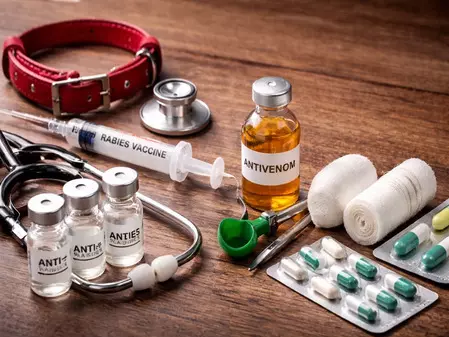
In a major public health initiative, the Congress-led Karnataka government has reaffirmed its commitment to eliminating dog-mediated human rabies by 2030 and reducing fatalities caused by venomous snakebites. To achieve these goals, the state has introduced two dedicated strategies — the State Action Plan for Rabies Elimination (SAPRE) and the State Action Plan for Snakebite Prevention and Control (SAPSE).
The plans were launched by Health and Family Welfare Minister Dinesh Gundu Rao, who emphasized that the initiatives focus on prevention, timely treatment, disease surveillance, and coordinated efforts across multiple departments. The rabies elimination strategy aligns with the National Rabies Control Programme and India’s target of achieving “Zero Human Deaths due to Dog-Mediated Rabies by 2030.”
Rabies, although entirely preventable, is almost always fatal once symptoms develop. Recognising the urgency of early intervention, the state has adopted a One Health approach, bringing together the health, veterinary, urban development, and education sectors. The government has set an ambitious target to bring rabies deaths down to zero within the next five years.
To ensure accessible treatment, anti-rabies vaccines and rabies immunoglobulin will be made available free of cost at all Primary Health Centres (PHCs), Community Health Centres (CHCs), taluk hospitals, and district hospitals across Karnataka. Authorities have directed these facilities to maintain uninterrupted stock of essential medicines. Private hospitals have also been instructed to keep adequate supplies and provide immediate care without insisting on advance payment.
Rabies was declared a notifiable disease in December 2022 to strengthen systematic reporting and monitoring. For effective implementation, state- and district-level joint steering committees have been constituted. Under the Rabies-Free Cities Initiative, focused interventions will be carried out in 11 major cities, including Bengaluru, Belagavi, Ballari, Davanagere, Hubballi-Dharwad, Kalaburagi, Mangaluru, Mysuru, Shivamogga, Tumakuru, and Vijayapura.
The veterinary department will lead mass dog vaccination drives and dog population management measures, while urban local bodies will ensure pet registration, vaccination tracking, and improved waste management to prevent stray dog congregation. Medical colleges are also strengthening anti-rabies clinics and enhancing training for healthcare professionals to improve treatment protocols and reporting systems.
In addition, the state has rolled out a separate action plan to tackle snakebite-related deaths. Developed in line with central guidelines, the strategy prioritises prevention, rapid treatment, healthcare worker training, and public awareness campaigns. Snakebite cases were declared a notifiable disease in 2024 to enhance surveillance and response. Victims will receive free treatment, and private hospitals have been directed to provide emergency care without upfront payment.
Both action plans highlight the importance of interdepartmental collaboration, improved access to care, and active public participation. The government has called upon citizens, private healthcare providers, and civil society organisations to work collectively toward eliminating rabies deaths and significantly lowering snakebite fatalities in Karnataka by 2030.
With Inputs From IANS

Kanchan Chaurasiya joined Medical Dialogues in 2025 as a Media and Marketing Coordinator. She holds a Bachelor's degree in Arts from Delhi University and has completed certifications in digital marketing. With a strong interest in health news, content creation, hospital updates, and emerging trends, Kanchan manages social media, news coverage, and public relations activities. She coordinates media outreach, creates press releases, promotes healthcare professionals and institutions, and supports health awareness campaigns to ensure accurate, engaging, and timely communication for the medical community and the public.