

Bengaluru Doctors Warn Against Viral Wellness Trends After Man Suffers Kidney Damage
Bengaluru: Following a rising number of cases linked to unsafe digital wellness trends, doctors have issued a strong advisory urging people to avoid adopting online health routines without proper medical guidance.
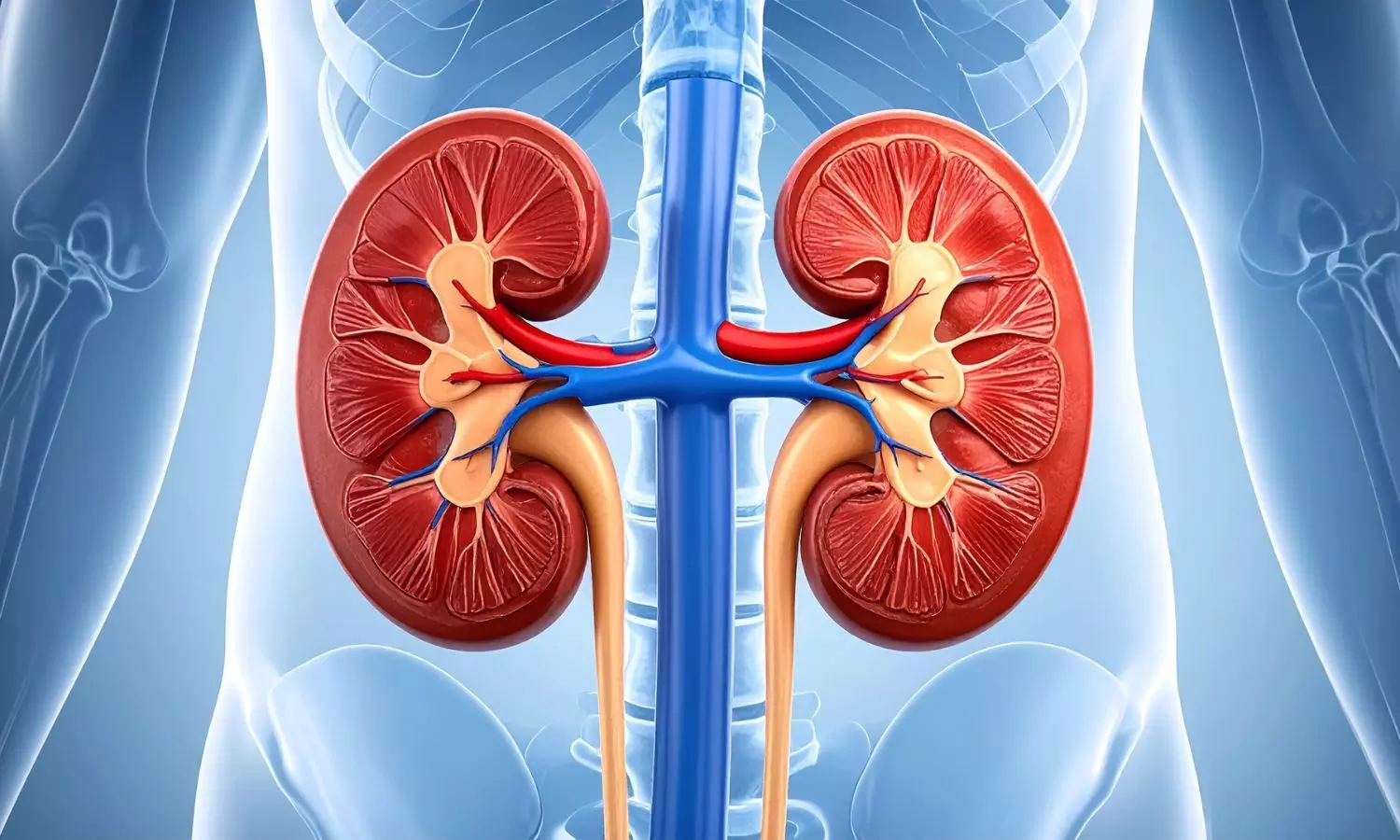
Their caution comes after a 36-year-old man arrived at a city hospital’s outpatient department with severe kidney problems and a creatinine level of 4.5 — far above the normal value of about 1. A detailed evaluation revealed that he had been following a detox programme circulated by a social media influencer, marketed for weight reduction, but ended up destroying his kidneys, reports Times of India.
Medical professionals stressed that consulting a qualified physician is essential before starting any treatment. They cautioned citizens against relying on trend-driven or fad-based health solutions, warned against taking injections or consuming substances recommended online, and advised against products without expiry dates or clear ingredient information. They also cautioned the public not to attempt viral cures for long-term illnesses.
Referring to China’s recent rule prohibiting influencers from producing content on specialised subjects like healthcare, law, and finance without appropriate academic credentials, doctors in the city called for similar regulation in India.
They noted that emergency departments increasingly receive patients who followed online medical guidance from self-styled “wellness” or “lifestyle” mentors promoting weight loss routines, detox methods, and immunity boosters, reports the Daily.
According to doctors, these trends frequently cause digestive complications and, in difficult situations, heavy metal toxicity, liver injury, and kidney failure. Younger adults, especially those between 20 and 40, are particularly susceptible to this online influence, they added. "Most of them have annual health checkups by their companies. Once they notice a few parameters in the reports, which are not under ideal levels, they go seeking reels to answer their questions or suggest easy therapies," said Dr Aravinda S N, lead consultant – internal medicine, Aster RV Hospital.
"When doctors talk about therapy, treatment, or medication, we are required to conduct trials and studies, publish papers, and then prescribe something based on evidence. Currently, there is no govt authority to ensure what social media influencers put out is evidence-based," Dr Aravinda added. "There are a lot of people following skincare routines after seeing viral videos on Instagram and ‘miracle' product reels, aiming for Korean glass skin, but end up with inflamed skin after spending a lot of money. Quick solutions can be detrimental," said Dr Neema Sandra Dias, dermatologist, TriLife Hospital, told the daily.
Dr Arvind Shenoi, clinical director, paediatrics, Rainbow Children's Hospital, Marathahalli, also sought government intervention and stated, "Food for older children and parenting toddlers, especially concerning disciplining them, are some of the topics which are widely discussed on social media. Parents, however, do not follow what they see blindly. They come and ask us about it. We counsel them in such situations."
Dr Bhumika Maikhuri is a Consultant Orthodontist at Sanjeevan Hospital, Delhi. She is also working as a Correspondent and a Medical Writer at Medical Dialogues. She completed her BDS from Dr D Y patil dental college and MDS from Kalinga institute of dental sciences. Apart from dentistry, she has a strong research and scientific writing acumen. At Medical Dialogues, She focusses on medical news, dental news, dental FAQ and medical writing etc.