

Iran War Reaches Perilous Stage, Peace is the Best Medicine: WHO Chief
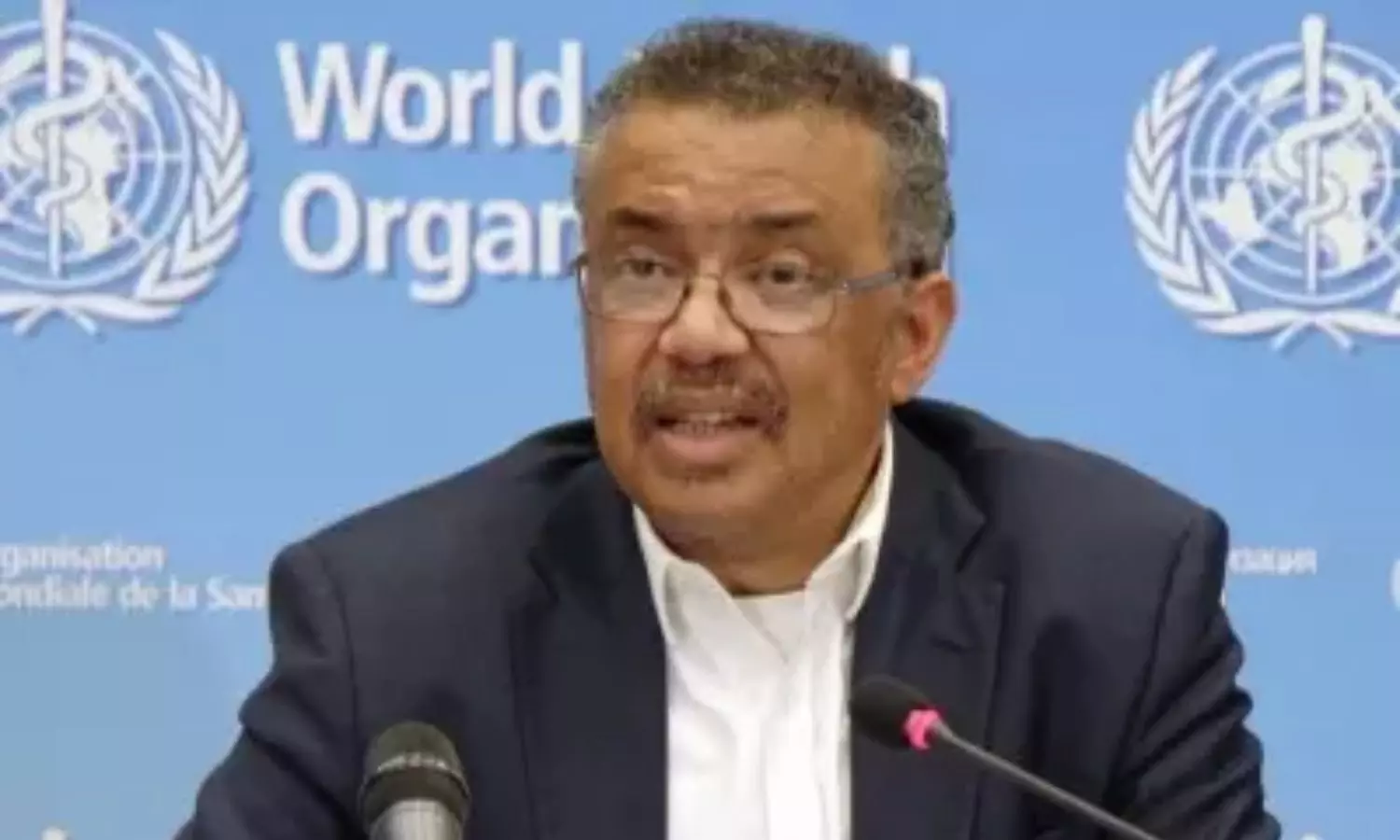
Tedros Adhanom Ghebreyesus, Director-General of the World Health Organization, on Sunday warned that the ongoing conflict in the Middle East has reached a critical and dangerous phase, with reported strikes targeting Iran’s Natanz Enrichment Complex and Israel’s city of Dimona, which houses a nuclear facility.
The International Atomic Energy Agency is currently assessing the reported incidents in southeastern Iran as well as in Dimona, Israel.
“No indications of abnormal or increased off-site radiation levels have been reported. Attacks targeting nuclear sites create an escalating threat to public health and environmental safety,” Ghebreyesus said in a post on X.
Since the outbreak of hostilities, the WHO has conducted critical training for its staff and UN personnel across 13 countries to strengthen preparedness and response to potential public health emergencies arising from a nuclear incident.
“I urgently call on all parties to exercise maximum military restraint and avoid any actions that could trigger nuclear incidents. Leaders must prioritise de-escalation and protect civilians. Peace is the best medicine,” the WHO chief said.
He further emphasised that war does not bring peace, adding, “It only teaches the next generation new reasons to hate.”
Meanwhile, US President Donald Trump has threatened to “hit and obliterate” Iran’s power plants within 48 hours if the country does not reopen the Strait of Hormuz.
In a series of posts, Trump issued a direct ultimatum over the key global energy route, stating: “If Iran doesn’t fully open, without threat, the Strait of Hormuz within 48 hours, the United States will strike and destroy its major power plants, starting with the largest.”
The warning signals a sharp escalation in tensions centred on the Strait, even as Trump indicated that US military operations may soon be nearing their objectives.
He also claimed that the US had taken steps to weaken Iran’s military capabilities, including targeting its navy, air force, and anti-aircraft systems.
With Inputs From IANS