

Rare Metal Object Near Critical Neck Artery Removed by Bengaluru Hospital Team
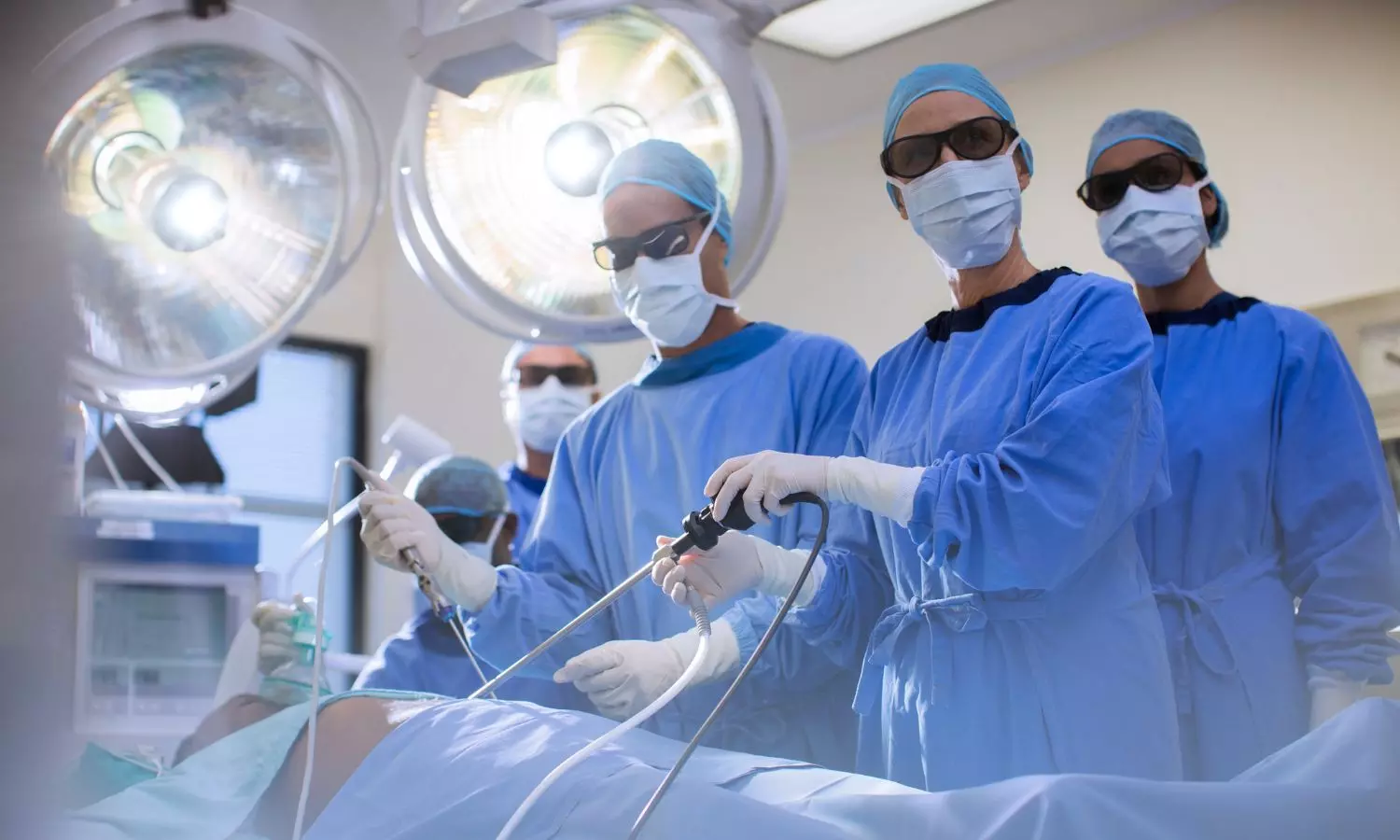
Doctors at Aster CMI Hospital, Bengaluru, recently performed a rare and high-risk neck surgery to remove a metallic foreign object lodged dangerously close to the carotid artery, one of the body’s most vital blood vessels supplying the brain.
The complex procedure was carried out by the hospital’s Department of ENT Surgery after a male patient from the Republic of Chad (Africa) approached the outpatient department with persistent discomfort and a scar on the left side of his neck. The patient had a history of being near a bomb blast nearly a year ago, but had not received definitive treatment since the incident.
During clinical evaluation, doctors observed a healed entry-wound scar on the left side of the neck. A CT scan revealed a retained metallic foreign body positioned perilously close to the left carotid artery. Given the object’s location, the risk of catastrophic bleeding or neurological damage was extremely high, making the surgery particularly challenging.
After careful assessment and planning, the ENT surgical team performed a meticulously planned neck exploration. Surgeons successfully removed a metallic pellet-like object from the posterior aspect of the left carotid sheath without causing injury to the carotid artery or surrounding vital structures.
Following the procedure, the patient recovered smoothly with no neurological or vascular complications and continues to do well on follow-up.
Commenting on the case, Dr Prateek Nayak, Consultant – ENT Surgery at Aster CMI Hospital, said retained foreign bodies near major neck vessels are extremely rare and demand exceptional surgical precision. “This case required precise imaging, careful dissection, and a multidisciplinary approach to ensure patient safety. The successful removal of the metallic pellet without any complications highlights the importance of timely diagnosis and expert surgical management in complex trauma-related cases,” he said.
Dr Prashant N, CEO of Aster Hospitals, said the case reflects the organisation’s commitment to advanced and patient-centric care. “Managing such rare and high-risk surgeries safely demonstrates the strength of our clinical expertise, skilled clinicians, and adherence to global standards of excellence,” he said.
The case highlights the hospital’s capability to manage complex trauma-related surgical conditions, supported by advanced imaging, specialised surgical teams, and comprehensive post-operative care.

Kanchan Chaurasiya joined Medical Dialogues in 2025 as a Media and Marketing Coordinator. She holds a Bachelor's degree in Arts from Delhi University and has completed certifications in digital marketing. With a strong interest in health news, content creation, hospital updates, and emerging trends, Kanchan manages social media, news coverage, and public relations activities. She coordinates media outreach, creates press releases, promotes healthcare professionals and institutions, and supports health awareness campaigns to ensure accurate, engaging, and timely communication for the medical community and the public.