

Study Finds Higher Vaccine Hesitancy Among Women and Older Adults
A study analysing data from over 1.1 million people found that women and older adults are more likely to be vaccine-hesitant.
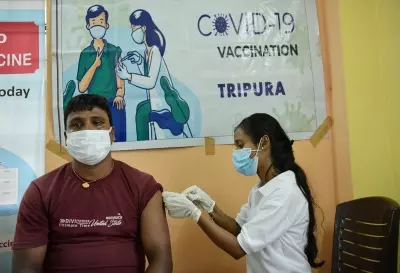
A large study analysing data from more than 1.1 million people has found that women and older adults were more likely to show hesitation toward Covid-19 vaccination. The research highlights how concerns about vaccine effectiveness, safety, and long-term health effects significantly influenced people’s decisions.
The study, published in The Lancet, examined COVID-19 vaccine uptake across England during the pandemic, tracking individuals from January 2021 to March 2022. Researchers analysed patterns of vaccination and identified factors that contributed to vaccine hesitancy over time.
According to the findings, people who remained unvaccinated were more likely to be older adults, women, unemployed individuals, those living in economically deprived areas, and people with lower levels of education. People who had previously been infected with Covid-19 were also more likely to delay or avoid vaccination, possibly due to a belief that natural immunity offered sufficient protection.
The researchers identified eight main categories of vaccine hesitancy. These included concerns about vaccine effectiveness, fear of side effects, worries about long-term health consequences, mistrust of vaccine developers, fear of allergic or adverse reactions, and a perception that Covid-19 posed little personal risk. Some individuals also preferred to “wait and see” how the vaccines performed before deciding to take them.
Gender and age differences were clearly observed. Men were more likely than women to believe that Covid-19 did not pose a serious personal risk. Women, on the other hand, were more concerned about fertility-related issues linked to vaccination. Older adults, particularly those aged 74 years and above, were more likely to be opposed to vaccines in general when compared to younger age groups.
A significant number of participants expressed concerns about long-term health effects, while others worried about immediate side effects or questioned whether the vaccines would work effectively. Many said they wanted more time and evidence before feeling confident enough to get vaccinated.
Despite these concerns, the study also showed a positive trend. Overall vaccine hesitancy declined steadily as the vaccination programme progressed and more safety data became available. While hesitancy was relatively high at the start of 2021, it dropped sharply by early 2022, suggesting that public confidence increased as people saw the benefits of vaccination.
Researchers noted a slight rise in hesitancy during the Omicron wave, but levels remained much lower than at the beginning of the rollout. The findings suggest that targeted communication, addressing specific fears such as pregnancy, breastfeeding, and long-term safety, can help reduce vaccine hesitancy further.
The study concludes that while vaccine scepticism has not disappeared completely, it can be effectively addressed through clear information, trust-building, and tailored public health messaging.
With Inputs From IANS

Kanchan Chaurasiya joined Medical Dialogues in 2025 as a Media and Marketing Coordinator. She holds a Bachelor's degree in Arts from Delhi University and has completed certifications in digital marketing. With a strong interest in health news, content creation, hospital updates, and emerging trends, Kanchan manages social media, news coverage, and public relations activities. She coordinates media outreach, creates press releases, promotes healthcare professionals and institutions, and supports health awareness campaigns to ensure accurate, engaging, and timely communication for the medical community and the public.