
Study Links Pregnancy Antibiotics to Higher Bacterial Disease Risk in Infants
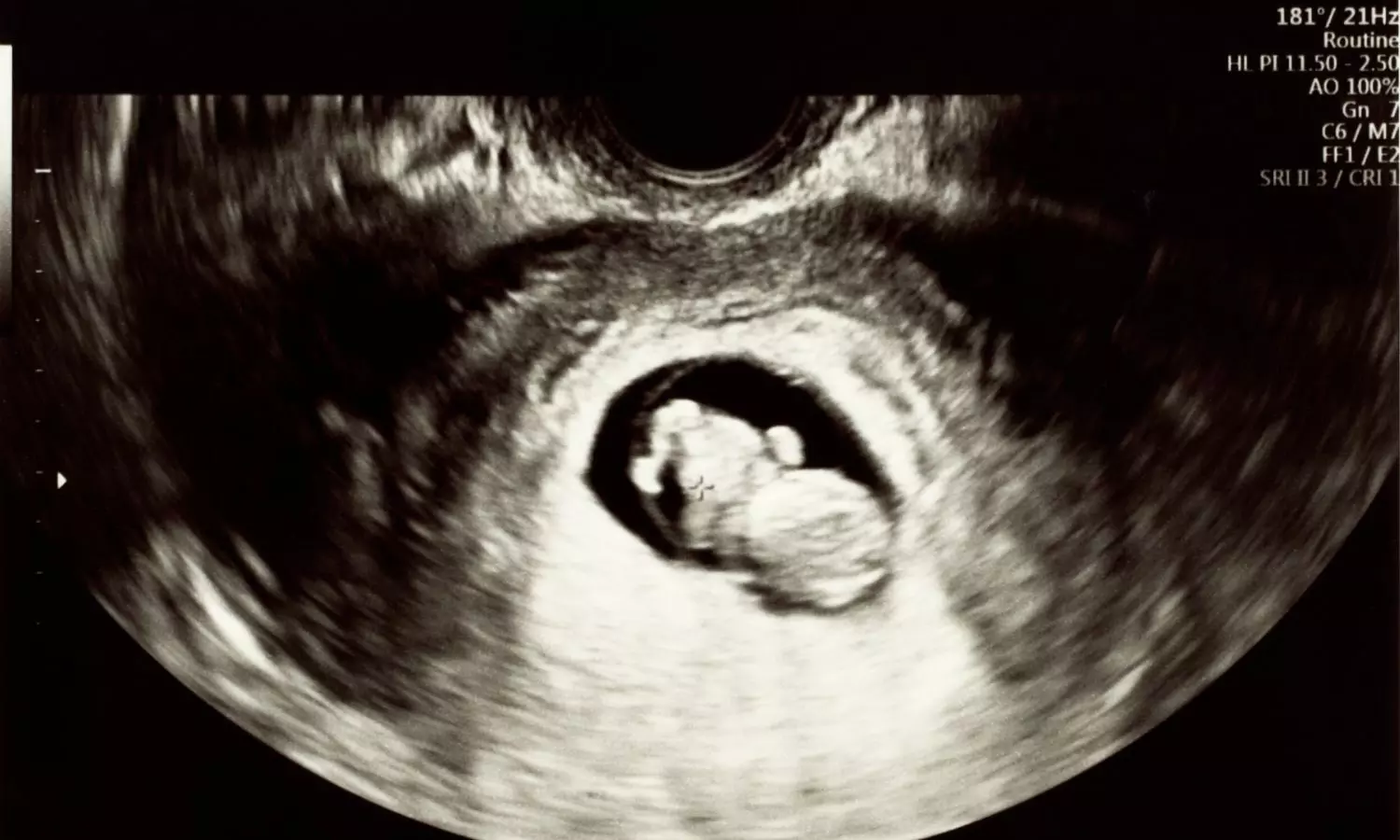
Recent research suggests that the use of antibiotics during pregnancy may increase the risk of newborns developing Group B Streptococcus (GBS) disease, a common but potentially serious bacterial infection. GBS bacteria are usually harmless and commonly found in the gut or genital tract of healthy adults. However, in vulnerable groups such as newborn babies, older adults, and people with weakened immune systems, the infection can lead to severe complications.
In newborns, GBS infection can cause life-threatening conditions, including sepsis, meningitis, and pneumonia, particularly in the first few weeks after birth. The latest study highlights a possible link between prenatal antibiotic exposure and a higher risk of GBS disease in infants.
The research was conducted by an international team of scientists from the Karolinska Institutet in Sweden and the University of Antwerp in Belgium. The researchers found that babies exposed to antibiotics before birth were more likely to develop GBS disease within four weeks after delivery. The risk was especially high when antibiotic exposure occurred during the early third trimester, which appears to be a critical period for newborn susceptibility.
To reach these conclusions, the team carried out a large population-based study using national health records in Sweden. The study included over 1 million singleton live births between 2006 and 2016. About 24.5 per cent of these pregnancies involved antibiotic use.
The findings showed that GBS infection rates were higher among infants exposed to antibiotics before birth compared to those who were not exposed. Importantly, this increased risk was most noticeable in newborns who did not already have known GBS risk factors, such as premature birth or prolonged rupture of membranes.
Interestingly, the study also found that antibiotics specifically active against GBS, when given close to delivery (within four weeks), did not reduce the risk of infection in newborns. This suggests that prenatal antibiotic use may disrupt the natural balance of bacteria in ways that increase vulnerability rather than providing protection.
The researchers noted that their findings are consistent with earlier Nordic studies, which showed a 16 to 34 per cent higher risk of infections in early childhood among children exposed to antibiotics before birth.
Based on these results, experts suggest that limiting unnecessary antibiotic use during pregnancy, especially in the early third trimester, may help reduce the risk of neonatal GBS disease. They also emphasised the importance of close monitoring of newborns who fall outside current GBS prevention guidelines but were exposed to antibiotics in the womb.
The study calls for further research to better understand how prenatal antibiotic exposure affects newborn immunity and infection risk, and to refine guidelines for safer antibiotic use during pregnancy.
With Inputs From IANS

Dr Bhumika Maikhuri is a Consultant Orthodontist at Sanjeevan Hospital, Delhi. She is also working as a Correspondent and a Medical Writer at Medical Dialogues. She completed her BDS from Dr D Y patil dental college and MDS from Kalinga institute of dental sciences. Apart from dentistry, she has a strong research and scientific writing acumen. At Medical Dialogues, She focusses on medical news, dental news, dental FAQ and medical writing etc.