
World Cancer Day: A Unified Fight Against Cancer Through Early Detection, Multidisciplinary Care and Hope
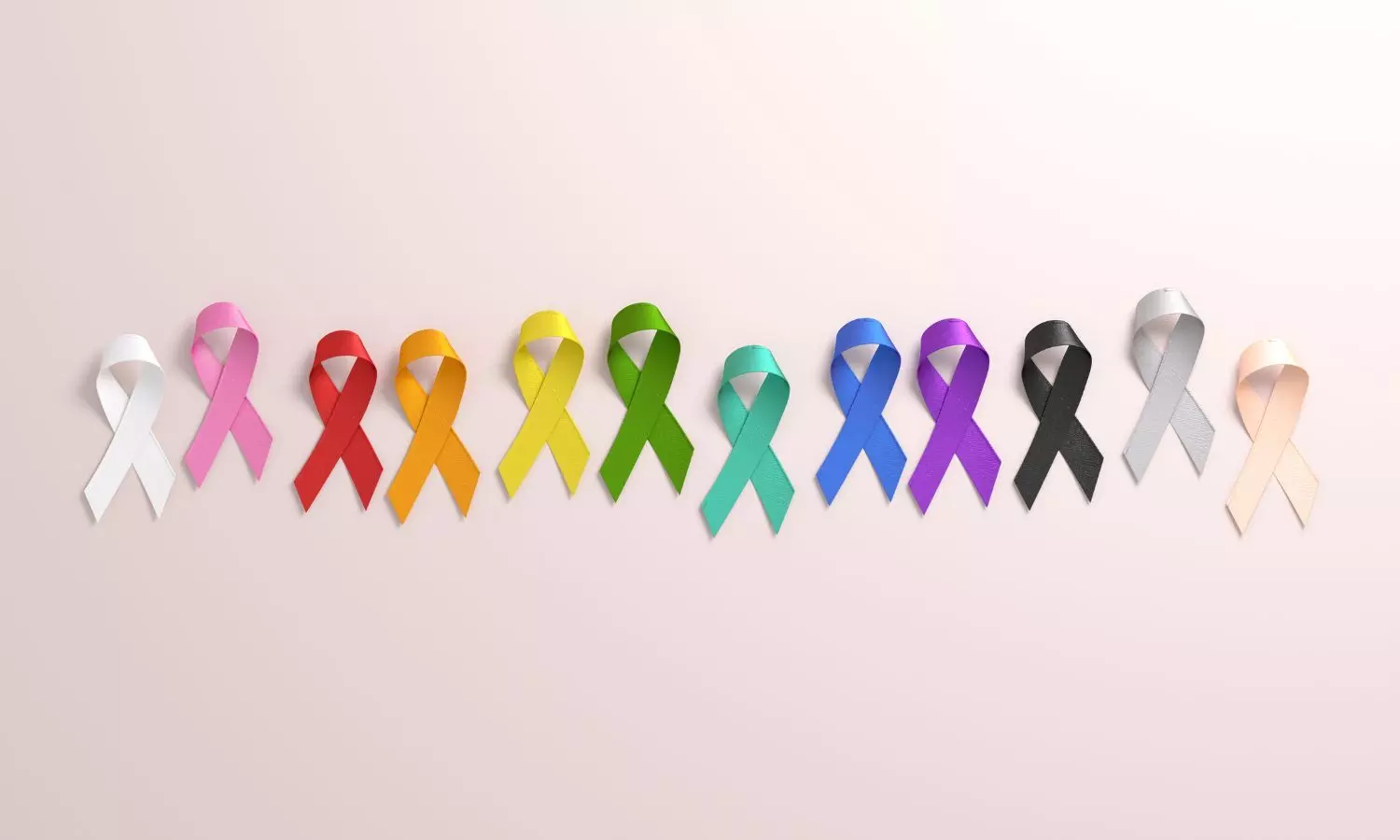
On the occasion of World Cancer Day, doctors of all leading hospitals in India are continuously emphasizing that in today’s time, cancer care is no longer limited to oncology alone. It is also a collaborative effort mainly involving gynaecology, neurology, orthopedics, and preventive medicine, with only one goal of early medical detection, personalized medical treatment and long-term survivorship as well. With India witnessing a continuous rise in the incidence of cancer, experts also highlight that awareness screening and integrated care pathways are now as significant as advanced therapies.
As per the World Health Organization, cancer is now responsible for around 10 million deaths globally every year while India reported an estimated 1.46 million new cancer cases in 2022. These numbers are expected to increase due to aging populations and risk factors related to lifestyle. Studies also highlight that early detection and timely medical treatment can reduce the mortality by around 30–50 percent for common cancers such as breast and colorectal cancer.
As per Dr. J. B. Sharma, Director, Medical Oncology, Sri Balaji Action Medical Institute, Delhi, “Oncology leaders also emphasized how cancer treatment in India is witnessing a transformation mainly driven by technology and precision medicine as well. “Cancer Care in India is currently witnessing a decisive shift from reactive treatment to proactive detections and precision-based therapies. In such conditions early diagnosis remains the most powerful tool in improving the rate of survival, yet awareness and screening uptake are very low across many communities. With modifications in targeted therapy and immunotherapy, we are now able to personalize the treatment and improve both outcomes and quality of life in a significant way.”
Oncology leaders also emphasized how cancer treatment in India is witnessing a transformation mainly driven by technology and precision medicine as well.
As per Prof. Dr. Linu Abraham Jacob, Lead Consultant - Medical Oncologist, SPARSH Hospital Hennur Road, Bangalore, “In today’s time modern oncology is evolving beyond chemotherapy to mainly include precision medicine, rehabilitation and psychological support as the integral elements of care. Cancer recovery is not only about treating the disease but also about helping patients return to their meaningful lives. Multidisciplinary care, which usually involves surgeons, oncologists, physiotherapists and counsellors, also helps to ensure holistic healing. With the help of timely diagnosis and advanced therapies, many cancers are now manageable conditions rather than life-ending illnesses.”
One of the main challenges in India is still late-stage diagnosis. Increasing the community awareness and screening programs is just as significant as investing in advanced treatment facilities. As per Dr. Sahana Punneshetty, Consultant, Gynecology-Oncology, Regency Hospital, Gorakhpur, “One of the main challenges in India is still late-stage diagnosis. Increasing the community awareness and screening programs is just as significant as investing in advanced treatment facilities. “One of the biggest challenges in the management of cancer today is that a larger percentage of patients continue to present in the advanced stages of diseases. This somewhere limits the options of treatment and increases physical and emotional strains on the families. The focus should also shift towards preventive screening, modification in lifestyle and early medical intervention as well. Cancer treatment is no longer only about survival, but it is also about restoring dignity, functionality, and well-being.”
Cancer is no longer a death sentence if caught on an early basis. Our main focus is increasingly on the survivorship, rehabilitation and psychological support along with the medical care since the recovery is not only physical but emotional as well
As per Dr. Ruchika Sharma, Consultant, Obstetrics and Gynaecology, Apollo Spectra Hospital Delhi, “Many gynaecological cancers are highly curable when they are detected on an early basis, yet we continue to see women coming at advanced stages due to the lack of routine screening. Survival outcomes can definitely be improved by Regular Pap smears, HPV vaccination and attention to symptoms such as abnormal bleeding. Prevention of cancer should start with the educational counselling of women on reproductive health; nutrition and regular medical check-ups are also very important for the same.”
Orthopaedic and neurology specialists also pointed out that cancer also creates an impact on mobility and neurological function, areas that are frequently ignored in public discussions.
As per Dr. Manav Luthra, Consultant, Orthopaedics and Spine, Apollo Spectra Hospital, Kanpur, “Bone metastasis and fractures, which are related to cancer can severely affect the independence of patients.” Early orthopaedic intervention also helps to preserve the mobility and allows patients to continue their treatment of cancers without any major interruption. Some symptoms, such as Persistent headaches, seizures or unexplained weakness, should never be untreated. Neurological symptoms are the first sign of cancer involvement in the brain or nerves, and early referral can make a good life-saving difference.”
Research indicates that 20–40 percent of cancer patients develop many complications during the course of their illness, underlining the need for multidisciplinary management.
As per Dr. Manini Patel, Senior Consultant - Obstetrics and Gynaecology Apollo Spectra Hospital, Jaipur, said, “Gynaecological cancers such as breast cancer or uterine cancer are among the most preventable and treatable when detected early. Regular screening, HPV vaccination, and awareness of warning signs like abnormal bleeding can dramatically improve outcomes. Unfortunately, many women still delay seeking medical care due to social stigma and lack of awareness. Strengthening education around women’s health and encouraging routine check-ups can save lives and empower women to take control of their long-term health."
As India faces a growing cancer burden, World Cancer Day also serves as a reminder that main progress lies not only in the medical innovations but also in the education and collaboration as well. With continuous modifications in screening technologies, precision medicine and supportive care, India’s healthcare system is moving towards a future where cancer is diagnosed on an early basis and treated in a more effective way.
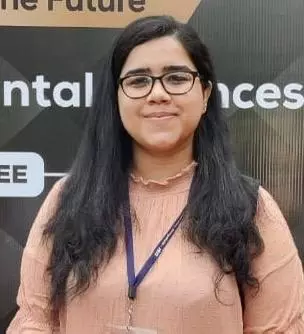
Dr Bhumika Maikhuri is a Consultant Orthodontist at Sanjeevan Hospital, Delhi. She is also working as a Correspondent and a Medical Writer at Medical Dialogues. She completed her BDS from Dr D Y patil dental college and MDS from Kalinga institute of dental sciences. Apart from dentistry, she has a strong research and scientific writing acumen. At Medical Dialogues, She focusses on medical news, dental news, dental FAQ and medical writing etc.