

Semaglutide and the Changing Landscape of Obesity Care in 2026 - Dr Kona Lakshmi Kumari
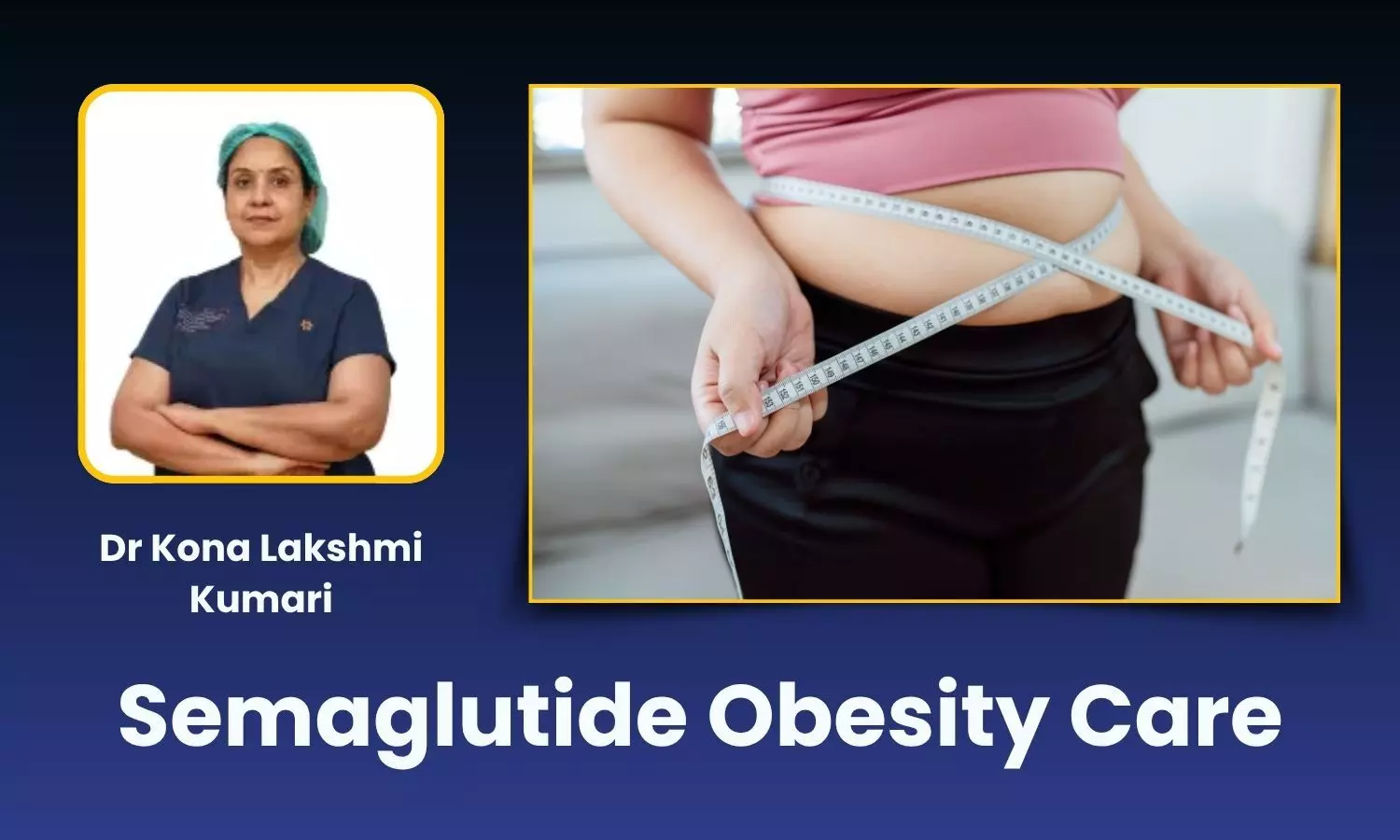
The global pursuit of effective weight-loss therapies has reached a turning point in 2026. Semaglutide, a drug first designed to treat Type-2 diabetes, has gained worldwide recognition for its ability to support significant weight reduction when combined with lifestyle changes. With its patent expiring in March 2026, India is expected to see the arrival of over 50 branded generics, making this treatment more affordable and accessible to millions.
Obesity: A Serious Chronic Disease
Obesity is not simply about excess weight or lack of willpower. It is a chronic, multifactorial metabolic disorder, comparable in seriousness to diabetes, hypertension, and lipid abnormalities. It affects long-term health and quality of life, and is linked to more than 200 complications, broadly categorized as:
• Metabolic: Type-2 diabetes, hypertension, fatty liver disease
• Mechanical: Joint pain, sleep apnoea, acid reflux
• Mental: Low self-esteem, body image issues, social anxiety
• Monetary: Higher healthcare costs and reduced productivity
Effective management of obesity can prevent many illnesses and safeguard vital organs. Yet, sustained weight control remains difficult due to biological, psychological, and environmental influences.
Why Semaglutide Stands Out
Semaglutide belongs to the GLP-1 receptor agonist class. These drugs mimic the gut hormone GLP-1, which regulates blood sugar and signals satiety to the brain. Initially approved for diabetes, semaglutide’s strong weight-loss effects led to its approval under names like Wegovy, while Ozempic and Rybelsus have also been used off-label for weight management. Demand has at times caused shortages for diabetic patients.
With generics entering India, costs are expected to drop sharply. However, affordability must be balanced with medical oversight to prevent misuse.
Mechanisms of Weight Loss
Semaglutide aids weight reduction through several pathways:
• Suppressing hunger and appetite
• Reducing cravings for calorie-rich foods
• Slowing gastric emptying, prolonging fullness
• Encouraging healthier food choices, with many patients reporting reduced desire for sweets or fast food
Interestingly, some users also note improvements in habits like alcohol or tobacco use, hinting at broader effects on brain reward circuits. Still, semaglutide is not a magic bullet. Sustainable weight loss requires dietary discipline and regular physical activity, which remain the foundation of long-term health.
Beyond Weight Reduction: Broader Benefits
Clinical studies show semaglutide offers multiple health advantages:
• Lower fasting insulin and improved insulin sensitivity
• Reduced blood pressure
• Better cholesterol and lipid profiles
• Cardiovascular protection, lowering risks of heart attack and stroke
• Potential kidney benefits
• Positive effects on fatty liver disease (NAFLD)
• Ongoing research into possible roles in neurodegenerative conditions like Alzheimer’s
These wide-ranging outcomes highlight semaglutide’s potential as a cornerstone in metabolic care, provided it is used responsibly.
Safety and Side Effects
Like all medications, semaglutide carries risks. Common side effects include nausea, vomiting, diarrhoea, and headaches. These are usually manageable by starting with low doses, gradually increasing, staying hydrated, avoiding fatty foods, and using simple remedies like ginger or mint.
However, semaglutide is not suitable for everyone. It should be avoided in individuals with:
• Type-1 diabetes
• A history of pancreatitis
• Gallbladder stones
• Certain eye conditions
• Gastroparesis
• Personal or family history of medullary thyroid cancer or MEN-2 syndrome
A Transformative Tool — With Caution
The arrival of generics in India could revolutionize obesity treatment, making semaglutide widely available at lower costs. Yet, it must be integrated into personalized, long-term care plans rather than used as a quick fix. When prescribed under medical supervision, semaglutide can deliver durable weight loss and metabolic improvements. Misuse, however, risks disappointment or harm.
Obesity management is a lifelong journey. Semaglutide is a powerful aid, but not a shortcut. Its true value lies in supporting healthier lifestyles and reducing the burden of chronic disease.
Disclaimer: The views expressed in this article are of the author and not of Health Dialogues. The Editorial/Content team of Health Dialogues has not contributed to the writing/editing/packaging of this article.

Dr. Kona Lakshmi Kumari is a highly accomplished Minimal Access & Robotic GI Surgeon and Metabolic & Bariatric Surgeon with over 27 years of experience. Currently a Senior Consultant at Yashoda Hospitals, she has performed more than 25,000 minimal access and 3,000+ bariatric procedures, including the highest number of single-incision scarless bariatric surgeries in Andhra Pradesh and Telangana. Trained at the Cleveland Clinic and National University Hospital, she specializes in advanced laparoscopic and robotic GI surgeries. An award-winning surgeon and active academician, Dr. Lakshmi is widely respected for her clinical excellence, research contributions, and commitment to mentoring the next generation of surgeons.