

Clade Ib Mpox Identified in UK: Symptoms, Risks and call for vaccination
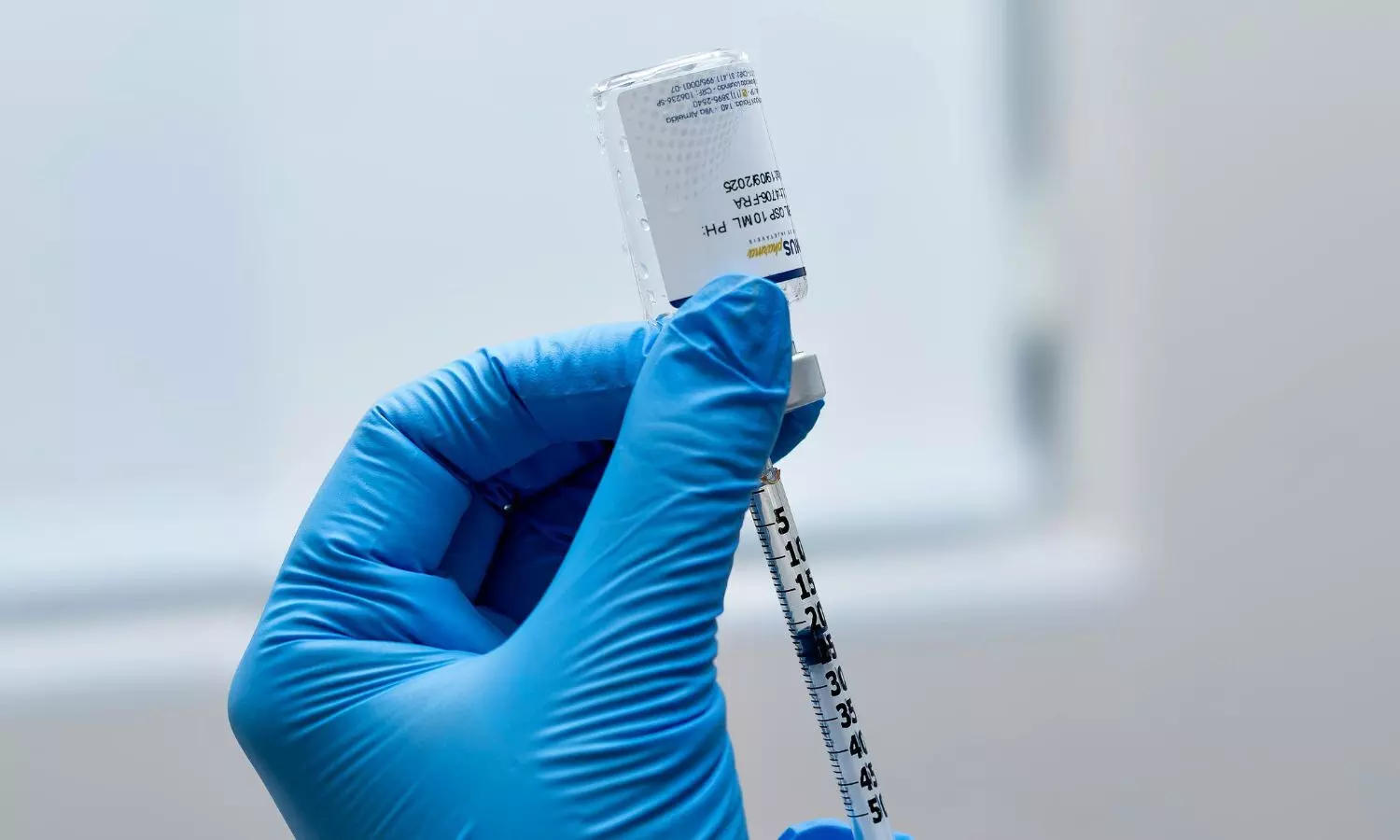
UK public health officials have detected a new recombinant strain of mpox in a traveller returning from Asia, strengthening calls for at-risk groups to get vaccinated without delay. Health authorities said the latest finding underscores the importance of completing recommended mpox vaccination courses as new variants continue to emerge across regions.
Genomic sequencing revealed that the newly identified strain carries elements of both clade Ib and clade IIb, a development the UK Health Security Agency (UKHSA) said was not unexpected since both variants are currently circulating internationally.
However, officials stressed that the discovery serves as a reminder of mpox’s capacity to evolve and the ongoing need for surveillance, early detection— and timely vaccination, especially in communities with higher exposure risk.
Understanding Mpox and Its Variants
Mpox — formerly called monkeypox — is an infectious disease caused by the Orthopoxvirus family, the same group that includes smallpox. While mpox is usually milder than smallpox, it can still cause a range of symptoms, including fever, headache, muscle aches, back pain, swollen lymph nodes, fatigue, and characteristic skin rashes or lesions. These symptoms often develop within 5–21 days after exposure.
There are two main clades (types) of mpox virus: Clade I (including subclades Ia and Ib) and Clade II. The Clade II variants — especially Clade IIb — were responsible for the global outbreak in 2022–2023 and generally tend to cause milder illness with relatively low death rates.
By contrast, Clade I mpox has historically been associated with more severe disease and higher fatality rates, particularly in settings with limited access to healthcare. Clade Ib is a genetic subgroup of Clade I that has been increasingly detected in several countries outside Africa, largely tied to international travel rather than local community spread.
Symptoms of Clade Ib Mpox
Health authorities, including the World Health Organization (WHO) and the UK Health Security Agency (UKHSA), say that Clade Ib mpox presents with symptoms similar to other mpox infections. These typically begin with flu-like signs such as:
- Fever, chills, and general malaise
- Headache and muscle pain
- Swollen lymph nodes
- Tiredness and low energy
A few days after these initial symptoms, a distinctive rash appears, often starting on the face or body and progressing to fluid-filled lesions that may last several weeks. Lesions can occur anywhere on the body, including hands, feet, face, and genital or anal regions.
Why Clade Ib Is Being Closely Watched
Although the current risk to the wider UK public is low, Clade Ib mpox is attracting attention because of its historical association with more serious illness. In African settings where Clade I infections have been documented, case fatality rates have ranged between 3 % and 10 %, higher than the rates seen with the Clade II outbreaks of 2022.
Recent cases of Clade Ib have been detected in multiple countries — including Belgium, Canada, France, Germany, Sweden and the United States — typically in people who recently travelled from regions where the variant is circulating.
Public health authorities emphasise that, based on current evidence, there is no indication of widespread community transmission in the UK. Cases have mostly been identified through travel histories or close contact with known infections.
Transmission and Prevention
Mpox spreads through close physical contact with an infected person or contaminated materials. This includes direct skin-to-skin contact, contact with bodily fluids, respiratory droplets during prolonged face-to-face interaction, or contact with shared items like bedding.
Health experts say vigilance is key. Avoiding close contact with people showing symptoms, maintaining good hygiene, and seeking medical advice if symptoms develop can help stop transmission. In some countries, vaccination has also been used as a preventive measure for people at high risk.
Public Health Response in the UK
The UK Health Security Agency (UKHSA) is actively monitoring the situation and working with clinical teams to identify and manage any cases. Contact tracing and testing are being used to ensure rapid detection, and healthcare professionals are urged to be alert for mpox symptoms, particularly rashes following flu-like illness.
Authorities note that even though Clade Ib mpox has been identified, it is no longer classified in the UK as a high-consequence infectious disease (HCID), reflecting broader improvements in understanding and managing the virus.
Global Context and Outlook
Globally, Clade Ib mpox has been circulating widely in parts of Central and Eastern Africa, with thousands of cases reported since 2023. This has led to increased surveillance and public health action worldwide.
Health organisations, including the WHO, continue to emphasise that overall risk to healthy populations remains relatively low, but they recommend continued monitoring, especially in people with weakened immune systems or limited access to healthcare.
In summary, while Clade Ib mpox is a variant of concern and is under close observation, current evidence suggests that it does not pose a significant risk to the general public in countries like the UK — but awareness, early detection, and preventive measures remain important.

Khushi Chittoria joined Medical Dialogues in 2025 as a Media and Editorial Intern. She holds a degree in Bachelor of Arts in Journalism and Mass Communication from IP University and has completed certifications in content writing. She has a strong interest in anchoring, content writing, and editing. At Medical Dialogues, Khushi works in the editorial department, web stories and anchoring.