

HPV Vaccination Drive Gains Momentum in Madhya Pradesh’s Burhanpur
The HPV (Human Papillomavirus) vaccination campaign has gained momentum in Madhya Pradesh’s Burhanpur district
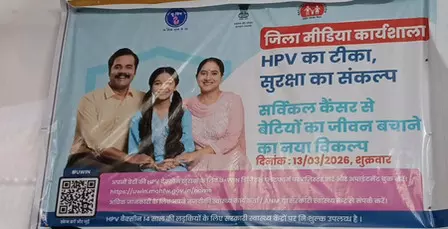
The Human Papillomavirus (HPV) vaccination campaign has gathered pace in Burhanpur district of Madhya Pradesh, with a growing number of families visiting health centres to get their daughters vaccinated. The initiative aims to protect adolescent girls from cervical cancer through timely immunisation and improved public awareness.
Under the campaign, the HPV vaccine is being administered at government health centres across the district. Health officials say the programme is focused on safeguarding young girls from cervical cancer, a disease largely caused by infection with the HPV virus. Alongside vaccination, the Health Department is also running awareness programmes to address misinformation and hesitation among the public regarding the vaccine.
District Immunisation Officer Y.B. Shastri said the nationwide HPV vaccination campaign was launched by Prime Minister Narendra Modi from Ajmer on February 28, 2026. Following the launch, the programme has gradually been rolled out across different states and districts to ensure wider coverage.
Shastri noted that hesitation among parents and several misconceptions about the HPV vaccine remain significant challenges. To overcome these barriers, the Health Department has been organising media workshops, community meetings and awareness drives. These efforts aim to provide accurate information about the vaccine and encourage families to participate in the campaign without fear or confusion.
According to health officials, the vaccination drive is primarily targeting adolescent girls who are around 14 years of age. The objective is to immunise them at the right stage so they can gain protection against cervical cancer later in life. Authorities plan to run the campaign in the district for the next three months, with the goal of reaching as many eligible girls as possible.
Officials have set a target of vaccinating 9,084 girls in Burhanpur district who have completed 14 years of age. Health teams are working through health centres and local outreach efforts to ensure that eligible beneficiaries are identified and vaccinated during the campaign period.
Shastri also appealed to parents and residents not to believe rumours or myths related to vaccination. He emphasised that vaccines play a crucial role in strengthening the body’s ability to fight infections and diseases, making them an essential part of preventive healthcare.
Medical experts state that the HPV vaccine is highly effective in preventing cervical cancer and can significantly strengthen the body’s immune response. The vaccine has minimal side effects and is widely considered safe. Since the HPV virus is the primary cause of cervical cancer, immunisation can play a major role in reducing the disease burden among women.
Doctors also point out that cervical cancer remains one of the leading causes of cancer-related deaths among women in India. However, timely vaccination can provide long-term protection, with the HPV vaccine offering immunity that may last for up to 10 years.
Health authorities hope that with increasing awareness and participation, the campaign will help protect thousands of girls in the district and contribute to reducing cervical cancer cases in the future.
With Inputs From IANS

Kanchan Chaurasiya joined Medical Dialogues in 2025 as a Media and Marketing Coordinator. She holds a Bachelor's degree in Arts from Delhi University and has completed certifications in digital marketing. With a strong interest in health news, content creation, hospital updates, and emerging trends, Kanchan manages social media, news coverage, and public relations activities. She coordinates media outreach, creates press releases, promotes healthcare professionals and institutions, and supports health awareness campaigns to ensure accurate, engaging, and timely communication for the medical community and the public.