

New TB Vaccine and MDR-TB Drug Trials Offer Hope for Better Treatment
Late-stage trials for TB vaccines and MDR-TB treatments could bring shorter, safer therapies as global cases are expected to rise by 2033.
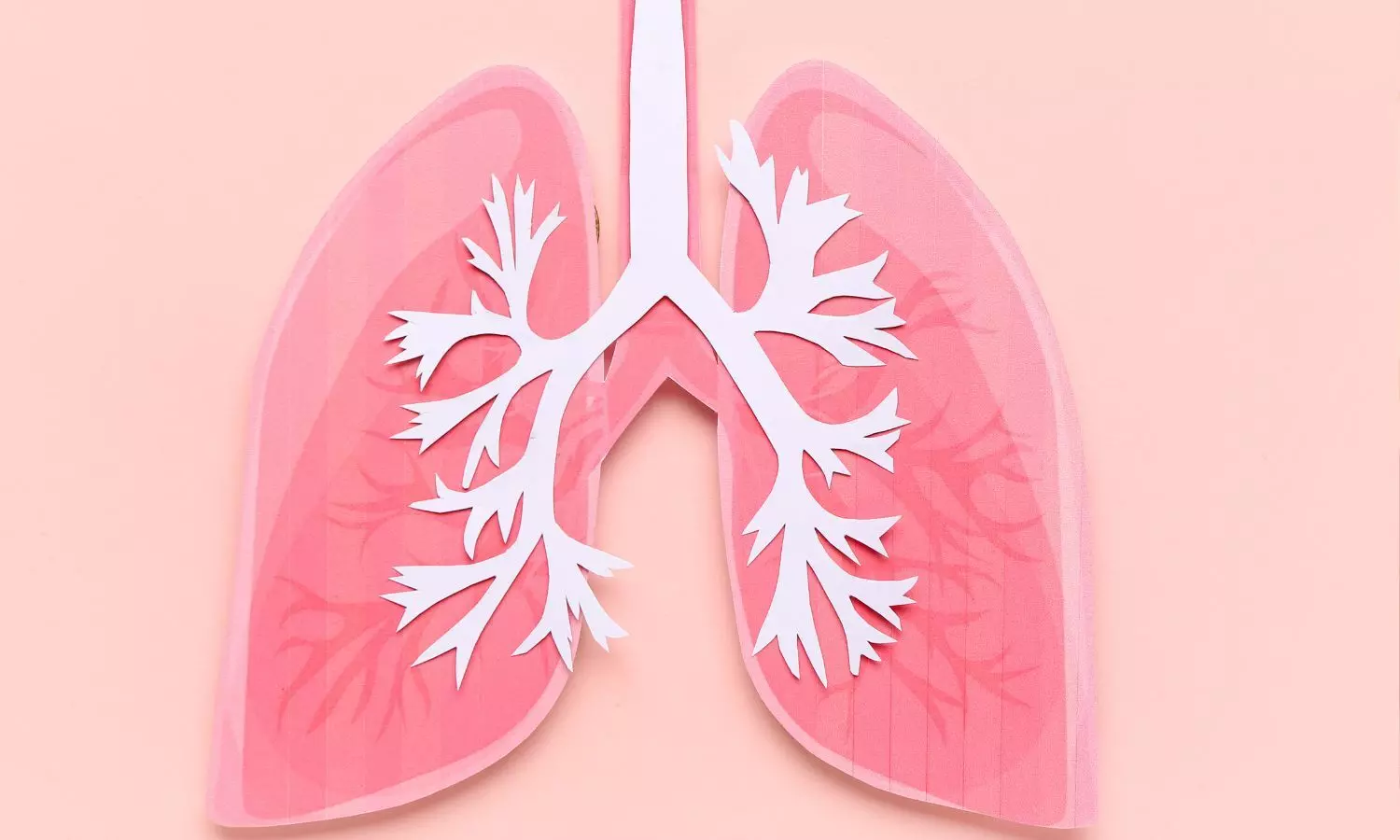
After years of limited progress, tuberculosis (TB) research is finally gaining momentum, with new vaccines and treatment options entering Phase III clinical trials. These developments come at a crucial time, as TB continues to be one of the leading infectious causes of death worldwide.
Currently, the Bacillus Calmette-Guérin (BCG) vaccine is the only approved TB vaccine, but it mainly protects infants and young children. There is still no effective vaccine for adults, who account for most TB cases and transmission.
According to an article published in Clinical Trials Arena, TB treatment still relies heavily on long drug regimens. Standard treatment lasts six months, while multidrug-resistant TB (MDR-TB) can require even longer therapy with multiple drugs. These treatments often come with side effects and adherence challenges, highlighting the need for safer and shorter options.
The World Health Organization (WHO) continues to classify TB as a major global health threat. Projections from GlobalData suggest that TB cases across major markets could rise from around four million in 2024 to nearly 4.5 million by 2033.
One of the most promising developments is the M72/AS01E vaccine, which is currently in Phase III trials and generating significant hope. This vaccine works by strengthening the body’s immune response against TB bacteria. In earlier studies, it reduced TB cases in adults with latent infection by nearly 50%, which is considered a major breakthrough.
The ongoing large-scale trial involves thousands of participants across multiple countries. If the results remain positive, this could become the first effective TB vaccine for adults, potentially transforming global prevention strategies and reducing the overall burden of the disease.
In terms of treatment, new drug options are also being explored. Sudapyridine, currently in Phase III trials in China, is being studied as a potential alternative to bedaquiline, a key drug used in MDR-TB treatment. Early findings suggest that sudapyridine may offer similar effectiveness while having a better safety profile. If confirmed, this could make treatment safer and more tolerable for patients, especially those who struggle with side effects from long-term therapy.
Another promising candidate is quabodepistat, a novel drug being tested to shorten the duration of MDR-TB treatment. At present, treatment for MDR-TB can take six months or longer, which often leads to poor adherence. Researchers are now aiming to reduce this duration to just four months without compromising effectiveness.
Early trial results have shown encouraging outcomes, indicating that shorter regimens could still be as effective. This could make it easier for patients to complete treatment and reduce the risk of drug resistance caused by incomplete therapy.
Beyond new drugs, researchers are also focusing on improving existing treatment strategies. Several ongoing trials are evaluating different drug combinations and personalized treatment approaches to find the safest and most effective regimens. The goal is to reduce side effects, shorten treatment duration, and improve overall patient outcomes. Together, these efforts represent a major step forward in making TB treatment more practical, patient-friendly, and effective in the long run.

Kanchan Chaurasiya joined Medical Dialogues in 2025 as a Media and Marketing Coordinator. She holds a Bachelor's degree in Arts from Delhi University and has completed certifications in digital marketing. With a strong interest in health news, content creation, hospital updates, and emerging trends, Kanchan manages social media, news coverage, and public relations activities. She coordinates media outreach, creates press releases, promotes healthcare professionals and institutions, and supports health awareness campaigns to ensure accurate, engaging, and timely communication for the medical community and the public.