

Fertility Health for Young Couples: Early Signs, Lifestyle Factors and When to Seek Support - Dr Sangeetha Anand
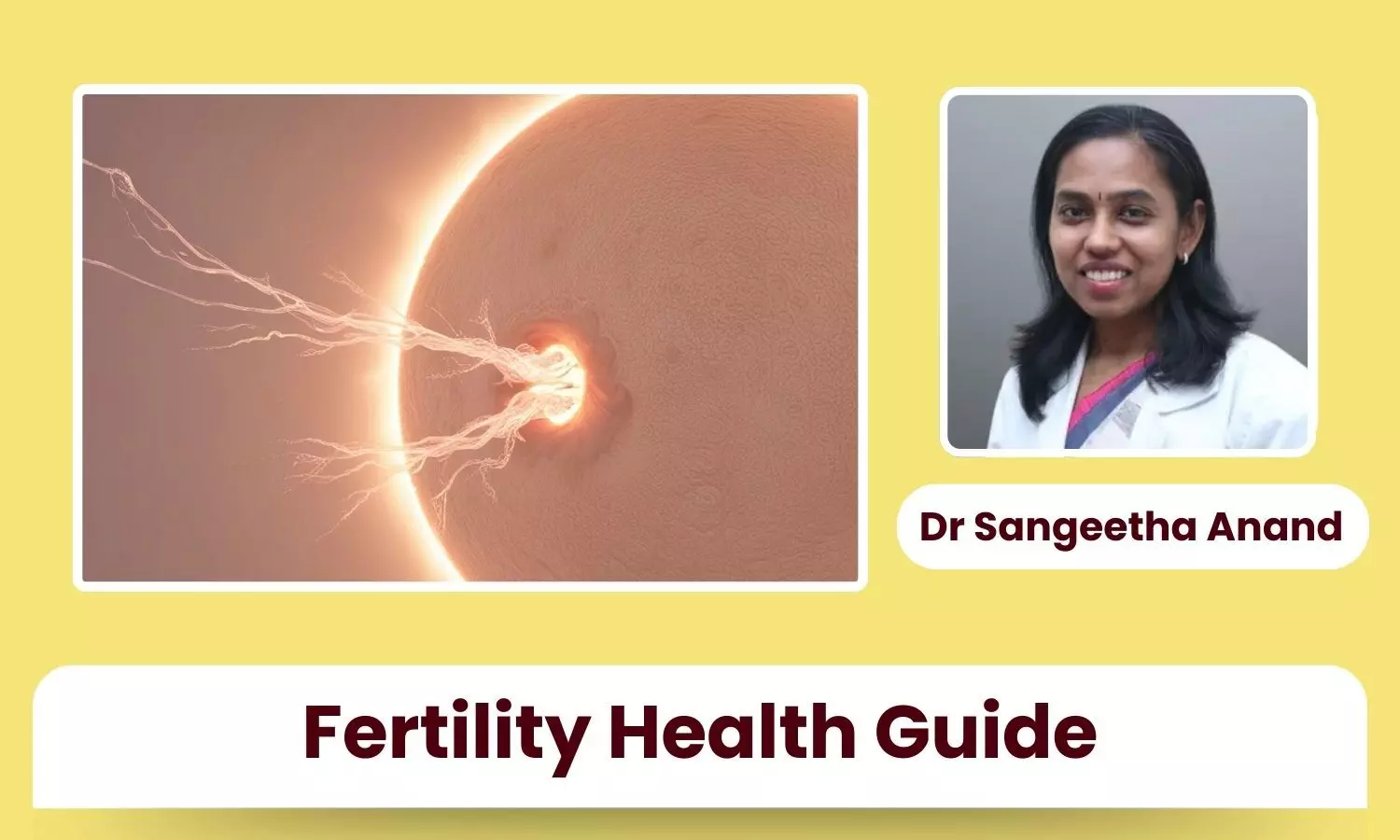
In this day and age, young couples stand at a powerful crossroads, backed by unprecedented healthcare access and an overflow of information. However, rising infertility rates reveal a striking modern paradox. An estimated 10 to 15 per cent of couples now struggle to conceive, not only because of medical conditions but also due to the subtle pressures of contemporary living.
Fast-paced schedules, delayed family planning, shifting diets, chronic stress as well as constant exposure to environmental toxins quietly shape reproductive health long before conception is attempted. What once seemed like a simple biological process is now understood as a delicate interplay between lifestyle and physiology.
With science revealing the deep connection between lifestyle choices and fertility, early awareness emerges as a powerful tool. It significantly allows young couples to protect their reproductive well-being long before obstacles arise.
Understanding Early Signs of Fertility Challenges
Infertility affects millions of families around the world, with nearly 48 million couples experiencing it today. It is often diagnosed when conception fails to occur after 12 months of regular, unprotected intercourse in individuals under 35.
Frequently, the earliest indication is simply not achieving pregnancy, though more subtle signs can appear earlier. Erratic or absent menstrual cycles, pelvic or lower abdominal pain, and inconsistent cycle lengths can point to ovulatory challenges. Some individuals can also have early miscarriages without clear reasons, indicating reproductive difficulties.
In men, ejaculation issues, erectile concerns, or reduced libido can suggest issues related to sperm health. Since infertility is almost equally attributed to male and female factors, recognising these early signs enables timely assessment. Even unexplained infertility, where no definitive cause is found, can present as a pattern of regular cycles without successful conception.
How Lifestyle Shapes Fertility Potential
Research consistently highlights the significant influence of lifestyle behaviours on reproductive health. Nutrition, sleep, stress, physical activity, and environmental exposure collectively determine fertility over years rather than months.
Diets enriched with whole grains, fruits, vegetables, lean proteins, antioxidants, and omega-3 fatty acids support egg and sperm quality, hormonal balance plus metabolic stability. Folate, vitamin D, and plant-based antioxidants play important roles in reproductive function.
Conversely, processed foods, excessive sugar, saturated fats, alcohol, and smoking may compromise hormonal pathways. Weight also acts as a major determinant. Both underweight and overweight individuals can face disrupted ovulation or altered sperm parameters.
Obesity can lower egg quality, reduce responsiveness to fertility treatments such as IUI and IVF, and increase miscarriage risk. In men, it can reduce testosterone levels and decrease sperm count and motility.
Meanwhile, maintaining physical activity supports fertility when balanced appropriately. While meeting 150 minutes of moderate exercise each week is beneficial, excessively vigorous routines may impede ovulation.
Chronic stress adds a further challenge, severely impacting hormones and cycle regularity. Considering this, mindfulness, meditation, deep breathing and yoga have emerged as powerful practices that have the ability to regulate stress responses, nurturing reproductive well-being.
In addition, fertility outcomes are largely affected by the surrounding environment. Specifically, contaminants such as pesticides, heavy metals, air pollution as well as diverse endocrine-disrupting chemicals (EDCs), have been consistently associated with reduced fertility rates across both sexes.
To support reproductive resilience, young couples should reduce personal exposure by choosing safer products, adhering to careful food handling and preparation practices, and maintaining cleaner indoor air, fostering an environment that encourages long-term reproductive wellness.
When to Seek Medical Support?
Improving reproductive outcomes depends on timely assessment. Couples under the age of 35 should consult a specialist after a year of unsuccessful attempts. However, earlier evaluation is important for those presenting with irregular cycles, severe pelvic pain, or pre-existing medical issues.
Women's diagnostic procedures encompass hormonal profiling, imaging via ultrasound, hysteroscopy, or laparoscopy, and checks for fallopian tube blockage. For men, semen analysis is the primary step, with hormonal tests and scrotal ultrasound providing further detail when necessary.
Many couples benefit significantly from lifestyle adjustments before moving to advanced medical treatments. However, when required, modern fertility medicine—including ovulation induction, IUI, IVF, and ICSI—offers strong chances of success, especially when pursued early in the process.
In sum, fertility is shaped long before parenthood is planned, influenced by daily choices, environmental exposures, and overall health. As young couples navigate demanding lifestyles and shifting timelines, recognising early signs, nurturing balanced routines, and seeking timely medical guidance can strengthen reproductive wellbeing.
With growing evidence connecting modern living to rising infertility rates, proactive awareness offers not just clarity. Instead, it instils confidence among couples and supports a healthier and more informed journey toward building a family.
Disclaimer: The views expressed in this article are of the author and not of Health Dialogues. The Editorial/Content team of Health Dialogues has not contributed to the writing/editing/packaging of this article.
Dr Sangeetha Anand, MBBS, MD (Obstetrics & Gynaecology), FRM, DLS, is an IVF Specialist practising at Apollo Cradle and Children’s Hospital, Brookefield, Bengaluru. She is a leading infertility specialist and gynaecologist in Kundalahalli, Bengaluru, with over 17 years of experience in these fields. She completed her Fellowship in Reproductive Medicine from Rajiv Gandhi University of Health Sciences in 2016, MD in Obstetrics & Gynaecology from Stanley Medical College & Hospital, Chennai in 2011, and MBBS from Stanley Medical College & Hospital, Chennai in 2002.