

Hidden Anaemia in Urban Kids: Normal Weight, Normal Diet, Yet Low Iron Stores - Dr Prerana Nesargi
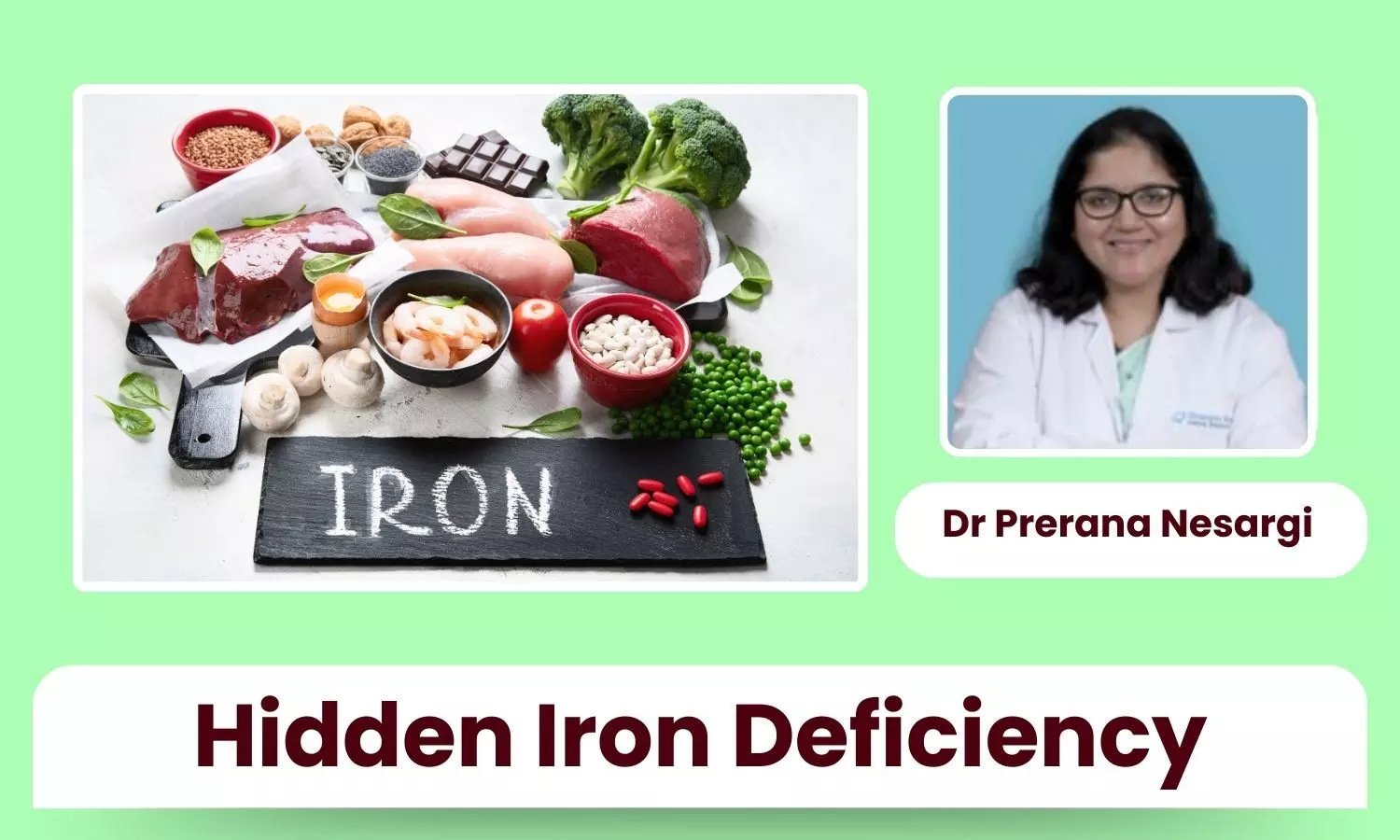
Most parents today keep a close eye on their child’s growth chart, lunchbox, and height updates. On paper, many urban children seem perfectly healthy — they maintain an average weight, look active enough, and eat a routine that appears balanced. Yet paediatricians are increasingly spotting something that doesn’t show up in school reports or family photos: low iron stores.
What makes this form of anaemia tricky is that it hides behind an outwardly “normal” appearance. These children may not look pale or sick, and their energy levels may fluctuate in ways that seem like mood swings or tired school days. But inside their bodies, iron levels may be dipping far below what is ideal for learning, growth, and immunity.
Why Are Urban Children Low on Iron Despite Eating Well?
The picture today is different from what earlier generations experienced. Kids are eating, yes — sometimes even eating more frequently — but the quality of nutrition often doesn’t match what their body actually needs.
A few reasons stand out:
- Iron-poor meal patterns: Breakfast cereals, bread, noodles, flavoured yoghurts, and packaged snacks fill them up but offer very little iron.
- Reduced traditional cooking: Dal, green vegetables, jaggery, ragi, sprouts, and homemade meals have slowly taken a back seat.
- Late dinners and rushed lunches: Many children don’t absorb nutrients well because they eat in a hurry or skip key meals.
- High milk intake: Too much cow’s milk often displaces iron-rich foods and also interferes with iron absorption.
- When all of these stack up, a child may look healthy from the outside but still be struggling internally.
The Signs You May Not Connect to Anaemia
Hidden anaemia doesn’t always follow the textbook. Some symptoms are so subtle that parents think they’re behavioural issues or “just a phase.”
Look out for:
- Frequent tiredness despite adequate sleep
- Falling concentration or slower reading/writing speed
- Irritability and quicker emotional outbursts
- Nail biting or unusual cravings like chewing ice
- Recurrent colds or slower recovery from infections
- Breathlessness during play or sports, even mild activities
One or two of these alone do not confirm anaemia. But a pattern may signal that the body is trying to function without the iron it needs.
Screening Matters: A Simple Test, Big Clarity
Most parents check haemoglobin once a year and assume that’s enough. But the surprising truth is that haemoglobin can be normal even when iron stores are shrinking. What gives doctors the clearest picture is serum ferritin, a test that measures the body’s iron reserves.
Ferritin levels often drop months before haemoglobin shows any change. This means a child could be heading toward anaemia without anyone noticing. Detecting this early helps avoid learning difficulties, immunity issues, and long-term fatigue.
The Foods That Help — And Those That Don’t
Instead of complicated diets, a few steady habits make a real difference.
What to include regularly
- Spinach, methi, drumstick leaves
- Ragi, bajra, and whole grains
- Jaggery and dates in small daily amounts
- Eggs, fish, chicken
- Sprouts, chana, rajma, and dal
- A fruit rich in vitamin C with meals (orange, guava, amla)
What to limit
Excess milk (more than 2 cups a day)
Tea or coffee for teens
Packaged snacks that fill the stomach but give no iron
When Supplements Are Needed
Food alone sometimes cannot catch up, especially if ferritin is very low. In such cases, paediatricians prescribe age-appropriate iron supplements for a few months. These are safe when used correctly and can restore iron stores far more efficiently than diet alone. The key is monitoring, repeating tests when required, and ensuring the course is completed.
A Final Word to Parents
Hidden anaemia is not a failure of parenting — it is simply a reflection of today’s lifestyle. Children grow rapidly, study intensely, and juggle sports, school, and screens. Their nutrient needs are far higher than most realise. Checking ferritin once a year, paying attention to everyday foods, and not dismissing fatigue as “laziness” can go a long way.
Iron is one of the simplest nutrients to correct, but only if detected in time. When iron stores are rebuilt, parents often see a calmer, brighter, more energetic version of the same child — a reminder that internal health is far more revealing than weight or appearance.
Disclaimer: The views expressed in this article are of the author and not of Health Dialogues. The Editorial/Content team of Health Dialogues has not contributed to the writing/editing/packaging of this article.

Dr Prerana Nesargi, Lead Consultant in Pediatric Oncology and Haematology with an experience of 11 years at Gleneagles BGS Hospital, combines expert medical care with compassionate support, ensuring each child’s health, resilience, and emotional well-being are prioritised, making every consultation personalised, empathetic, and impactful.