

Start 2026 with Fitness That Works for Real Life — Simple, Scientific and Sustainable
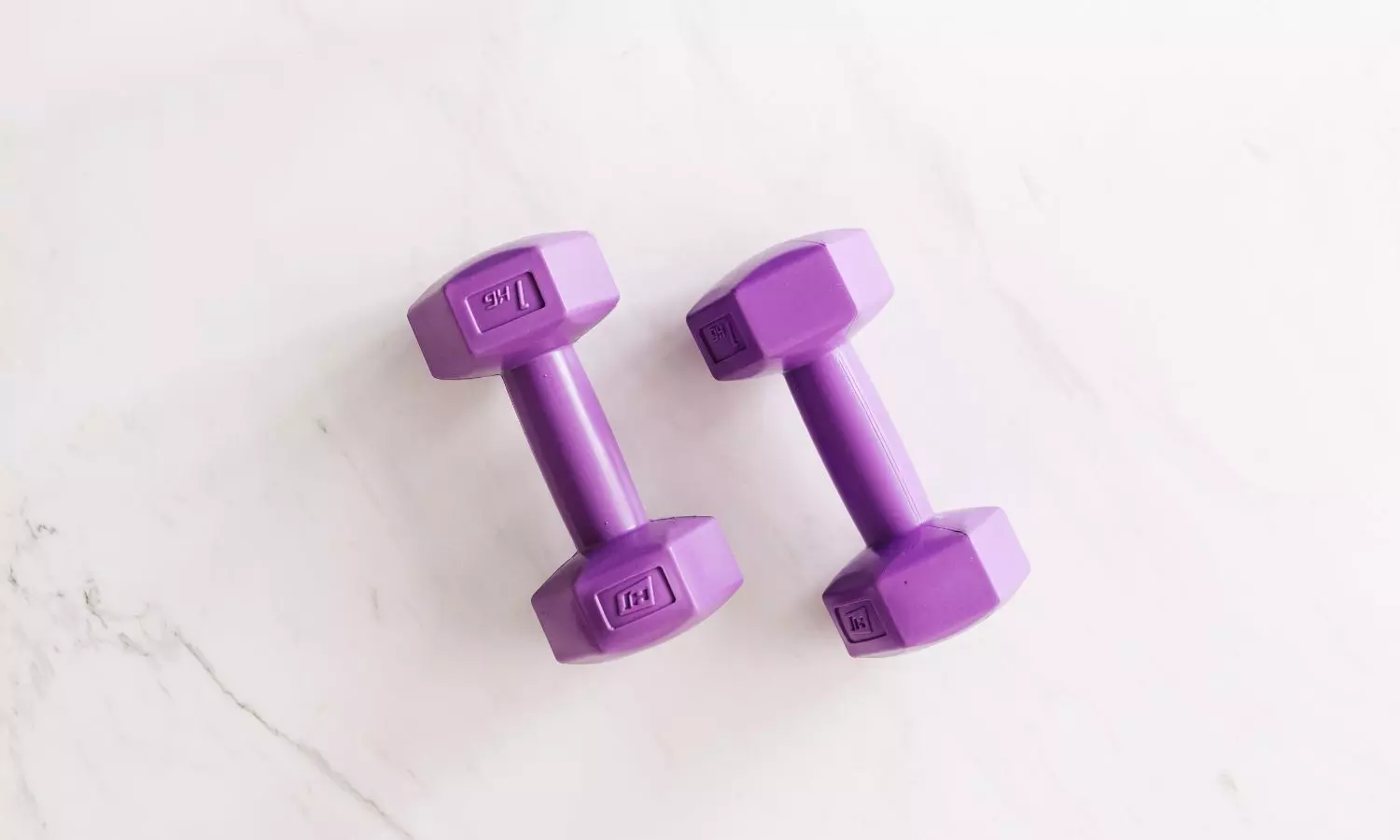
As the New Year begins, many of us make fitness resolutions — join a gym, do daily workouts, or vow to finally get in shape. But the most effective fitness changes aren’t about extreme goals or complex equipment. Instead, experts now advise a balanced, enjoyable, and science-backed approach that fits into everyday life and keeps you consistent throughout the year.
1. Think Beyond Quick Fixes — Build a Lifestyle
Fitness in 2026 is about long-term health, not fast results. Rather than following viral trends or “miracle” diets, focus on habits that keep your body strong and responsive. Health experts suggest blending strength training, outdoor movement, and mindful exercise to support joints, posture, flexibility and endurance.
For many Indians juggling work, family and travel, this means finding movement you enjoy — like brisk morning walks in the neighbourhood park, yoga, or body-weight exercises at home — rather than forcing yourself into intensive gym sessions you may not sustain.
2. Personalise Your Fitness With Simple Tools
Today’s fitness landscape is guided by smart tools that help you track progress without complication. Whether it’s a basic smartwatch, a pedometer app or a phone health tracker, these tools help monitor heart rate, steps, sleep and activity over time. This makes it easier to tailor workouts to your own pace and needs — whether you are a beginner or experienced.
But personalisation does not require gadgets — Indian fitness culture values listening to your body. Being mindful of how you feel during and after exercise can guide you better than pushing for intense workouts every day.
3. Enjoy Movement in Everyday Life
Not everyone has time for hour-long workouts. Health professionals now emphasise “movement everywhere” — short bursts of activity during the day that keep your body active and your metabolism engaged. For example:
* Taking brisk walks after meals
* Doing a few squats or lunges during TV breaks
* Using stairs instead of elevators or escalators . These small steps help older adults, busy professionals, and beginners stay active without feeling overwhelmed.
This idea resonates with the Indian tradition of staying physically active throughout the day — whether through household chores, walking in parks, or cycling to nearby places.
4. Balance Strength, Cardio and Recovery
Health experts recommend mixing different types of workouts:
* Aerobic activities like walking or cycling strengthen the heart and lungs.
* Strength training, such as push-ups, squats or resistance bands help build muscle and improve metabolism.
* Flexibility and mobility exercises like yoga support posture and prevent injuries.
Equally important is rest and recovery. Muscles grow and adapt when you rest. Including light days of stretching, meditation, and good sleep makes workouts safer and more effective.
5. Nutrition and Hydration Matter
Fitness isn’t just about exercise. A balanced diet rich in whole grains, pulses, fruits and vegetables — familiar staples in Indian kitchens — supports energy and metabolism. Hydration is equally vital; drinking adequate water improves performance and recovery.
6. Set Realistic, Joyful Goals
Finally, set goals that are specific, achievable, and meaningful. Instead of vague promises like “lose weight,” choose milestones like “walk 30 minutes daily” or “complete three strength sessions weekly.” Tracking progress helps you stay motivated and consistent.
In 2026, fitness should feel like a positive journey, not a chore. Start small, stay consistent, and make choices that support your long-term health. With simple routines, mindful movement, and balanced nutrition, you can make this year your healthiest yet.

Kanchan Chaurasiya joined Medical Dialogues in 2025 as a Media and Marketing Coordinator. She holds a Bachelor's degree in Arts from Delhi University and has completed certifications in digital marketing. With a strong interest in health news, content creation, hospital updates, and emerging trends, Kanchan manages social media, news coverage, and public relations activities. She coordinates media outreach, creates press releases, promotes healthcare professionals and institutions, and supports health awareness campaigns to ensure accurate, engaging, and timely communication for the medical community and the public.