
After 40, It’s Your Bones You Should Be Worried About - Dr Ameet Soni
Once we reach the age of 40, a lot of changes start happening in our bodies that are mainly very subtle but still made a big difference.
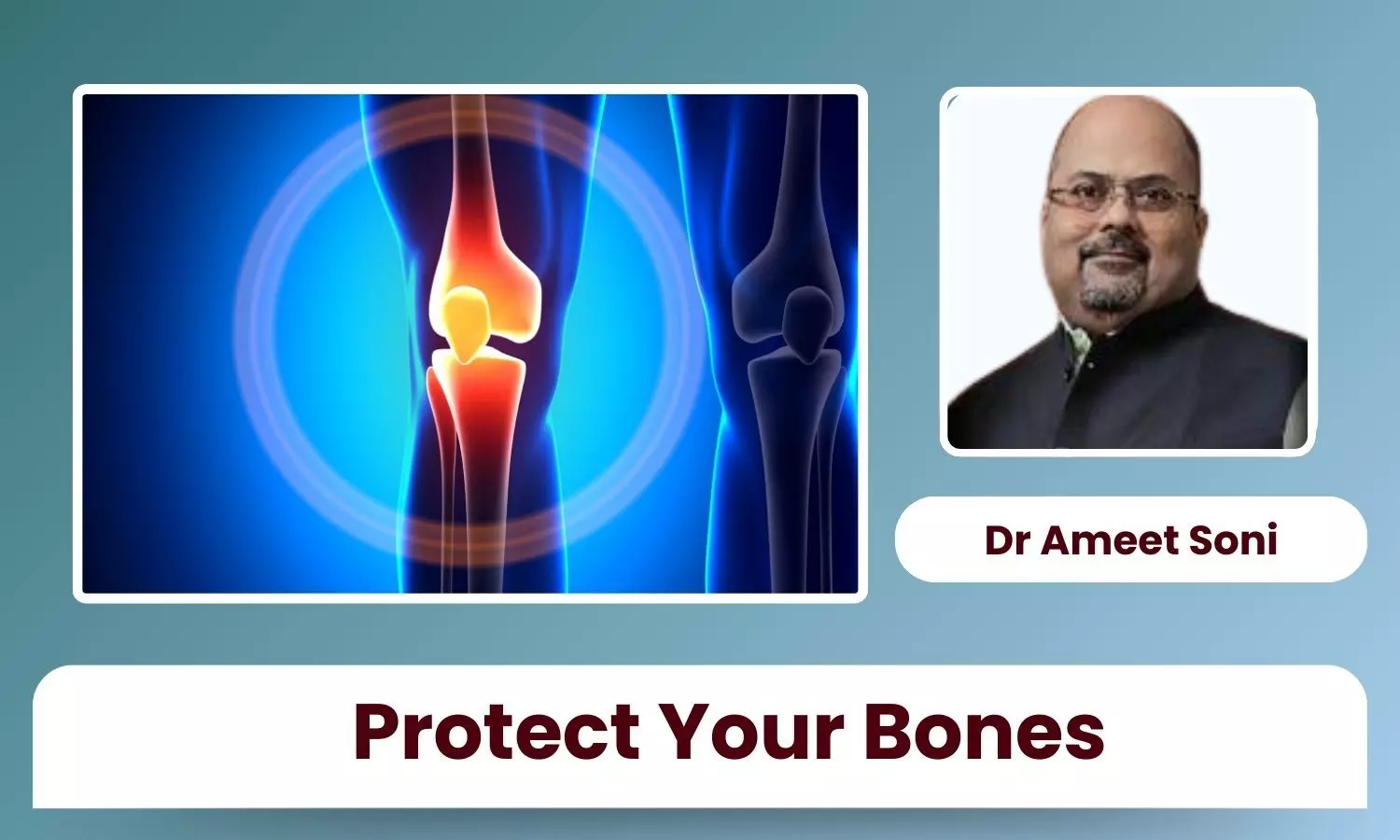
Though our concerns are often focused on problems such as gaining weight, appearance of wrinkles on the skin, and shedding of hair, one area that is very vital and yet ignored by many is the health of the bones. The health of bones is particularly a big factor to take into consideration as we grow older.
Our bones are not just rigid structures that support our bodies. They are living tissues that are constantly being broken down and rebuilt. In a healthy individual, this process of breaking down old bone tissue and replacing it with new bone tissue is balanced.
However, as we age, this process slows down. From around the age of 30, our bone mass starts to gradually decline. This can lead to a condition known as osteoporosis, which is a disease where bones become weak and brittle.
Why After 40, Bone Health Becomes Critical
After the age of 40, several factors contribute to the deterioration of bone mass. One of the most significant reasons is hormonal changes. In women, the drop in estrogen levels during menopause accelerates bone loss.
Estrogen plays a key role in maintaining bone density. Similarly, in men, testosterone levels begin to decline around the age of 40, which can also affect bone density.
In addition to hormonal changes, the body’s ability to absorb calcium decreases with age. Calcium is essential for strong bones, and as we grow older, the body struggles to absorb calcium from food. This can make it harder to maintain healthy bones unless calcium intake is consciously increased.
Weak bones are also a result of having a sedentary lifestyle and being poorly nourished, smoking and drinking alcohol excessively. Weak bone contributing absence of exercise, especially weight-bearing exercise, like walking or jogging, is due to eliminating stimulation that bones require to maintain strength.
Developmental (genetic) factors also are important for weak bone conditioning. Family history of weak bones (osteoporosis) may result in weak bones for you.
Signs and Symptoms of Weak Bones
Unfortunately, osteoporosis often doesn’t show symptoms until a fracture occurs.
This is why it’s essential to be proactive about bone health after 40. Some early signs of weak bones may include back pain caused by fractured or collapsed vertebrae, loss of height due to compressed vertebrae, a stooped posture commonly referred to as a "dowager's hump," and frequent fractures even with minimal trauma or injury.
How to Keep Your Bones Strong After 40
The good news is, you can take steps to preserve your bone health as you get older. Among the first things to do is to make your diet rich in calcium. Great sources of calcium Standout sources for calcium include dairy products (milk, yogurt, and cheese), leafy greens (spinach and kale) and fortified fare (tofu, cereals and juices).
It's also important to make sure you’re getting enough Vitamin D, which helps the body take in calcium and is essential for maintaining bone health. Sunlight is one of the BEST forms of Vitamin D, but if you live in an area with scant sun or naturally have darker, you may need supplements.
Another vital factor in keeping the bones healthy is exercise; some of the good sources of Vitamin D are foods such as fatty fish, fortified milk and egg yolks. Exercises that are weight bearing like walking, running, dancing, and strength training are essential in keeping the bones strong.
These are activities that promote bone growth and prevent the loss of bone. One should also avoid smoking and alcohol intake which is beneficial to the bone. Smoking may inhibit the process of absorption of calcium in the body, whereas alcohol disrupts the activity of bone making cells. Stop smoking and limit alcohol consumption and you will go a long way in lessening your chances of osteoporosis.
After 40, it’s also essential to talk to your doctor about bone health. Regular screenings, such as a DEXA (dual-energy X-ray absorptiometry) scan, can help assess bone density and identify early signs of osteoporosis. Based on the results, your doctor may recommend lifestyle changes, supplements, or medications.
Disclaimer: The views expressed in this article are of the author and not of Health Dialogues. The Editorial/Content team of Health Dialogues has not contributed to the writing/editing/packaging of this article.

Dr Ameet Soni is presently Associate Vice President and Head of Medical Affairs at Corona Remedies Limited. He has nearly two decades of distinguished experience in medical leadership roles at various pharmaceutical companies. An MBBS graduate from B.J. Medical College, Ahmedabad, Dr Soni holds an Advanced Post Graduate Diploma in Clinical Research from James Lind Institute, Hyderabad. Dr Amit Soni has extensive clinical experience providing direct care to patients and expertise in multiple medical disciplines. He has demonstrated excellence in developing and executing medical affairs strategies across specialties, including Gastroenterology, Critical Care, Pulmonology, Cardiology, Diabetology, Paediatrics, Oncology, Orthopaedics, Dermatology, Neuropsychiatry, and Gynaecology.