

Want a Younger Brain? Study Says Simple Daily Habits Can Make It 8 Years Younger
Optimism, quality sleep, stress control and strong social support may slow brain ageing by up to 8 years—even in chronic pain patients
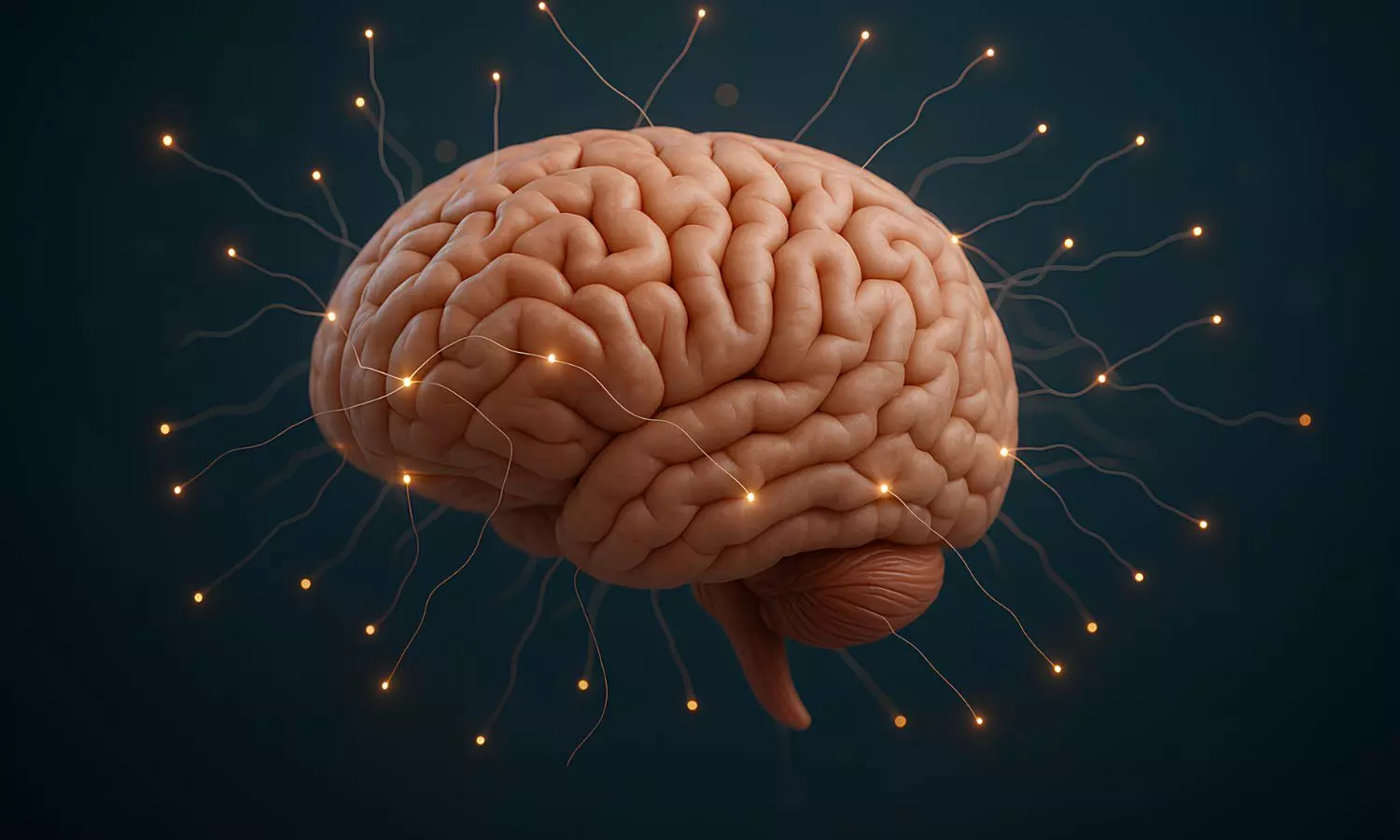
Your brain may be much younger—or older—than your actual age, depending on how you live. A new study from the University of Florida (UF), published in the journal Brain Communications shows that certain everyday lifestyle habits can make the brain appear up to eight years younger.
UF researchers used machine-learning tools and MRI scans to estimate the “brain age” of 128 adults, many of whom lived with chronic musculoskeletal pain. The difference between a person’s real age and their MRI-based brain age — known as the brain age gap — helped researchers understand how lifestyle influences whole-brain health.
The study found that hardships such as chronic pain, low income or limited education were linked with older-looking brains. But over time, the protective factors proved even stronger. Participants who practiced the most healthy habits — including restorative sleep, optimism, stress management, healthy weight, social support and avoiding tobacco — showed brains that looked up to eight years younger at the start of the study and continued to age more slowly.
“These are things people can control,” said Dr. Jared Tanner, UF clinical and health psychology researcher and one of the study leaders. “Poor sleep is treatable. Optimism can be practiced.”
Senior author Dr. Kimberly Sibille, UF professor of physical medicine and rehabilitation, added that each additional healthy lifestyle factor showed measurable neurobiological benefit. “Lifestyle is medicine,” she said.
While the study focused on people with chronic pain, researchers say the benefits of these habits apply broadly. A younger-looking brain is associated with lower risk of cognitive decline, dementia and Alzheimer’s disease.
Here Are a Few Habits That Slow Brain Ageing and Keep Your Brain Younger
- Restorative sleep: Not just more hours, but deep, high-quality sleep that allows the brain to reset.
- Optimism: Training yourself to interpret stress differently and recover faster from challenges.
- Stress management: Simple practices that calm the nervous system before chronic stress harms the brain.
- Strong social ties: Friends, family and support networks that genuinely connect and show up for you.
- Healthy body weight: Helps reduce inflammation, which is closely linked to accelerated brain ageing.
- Avoiding tobacco: Protects brain cells from long-term damage and keeps cognitive decline at bay.
The message from the University of Florida research is clear: Small, consistent lifestyle habits can meaningfully slow brain ageing and strengthen long-term brain health.

Stuti Tiwari joined Medical Dialogues in 2025 as a Hindi Content Writing Intern. She is currently pursuing a Bachelor’s degree in Journalism from the University of Delhi. With a strong interest in health journalism, digital media, and storytelling, Stuti focuses on writing, editing, and curating Hindi health content. She works on producing informative, engaging, and accurate articles to make healthcare news and updates more understandable and relatable for Hindi-speaking audiences.